The Berlin Conference: Europe’s Division of Africa 140 Years Ago
The Berlin Conference: Europe’s Division of Africa 140 Years Ago
Introduction to the Berlin Conference
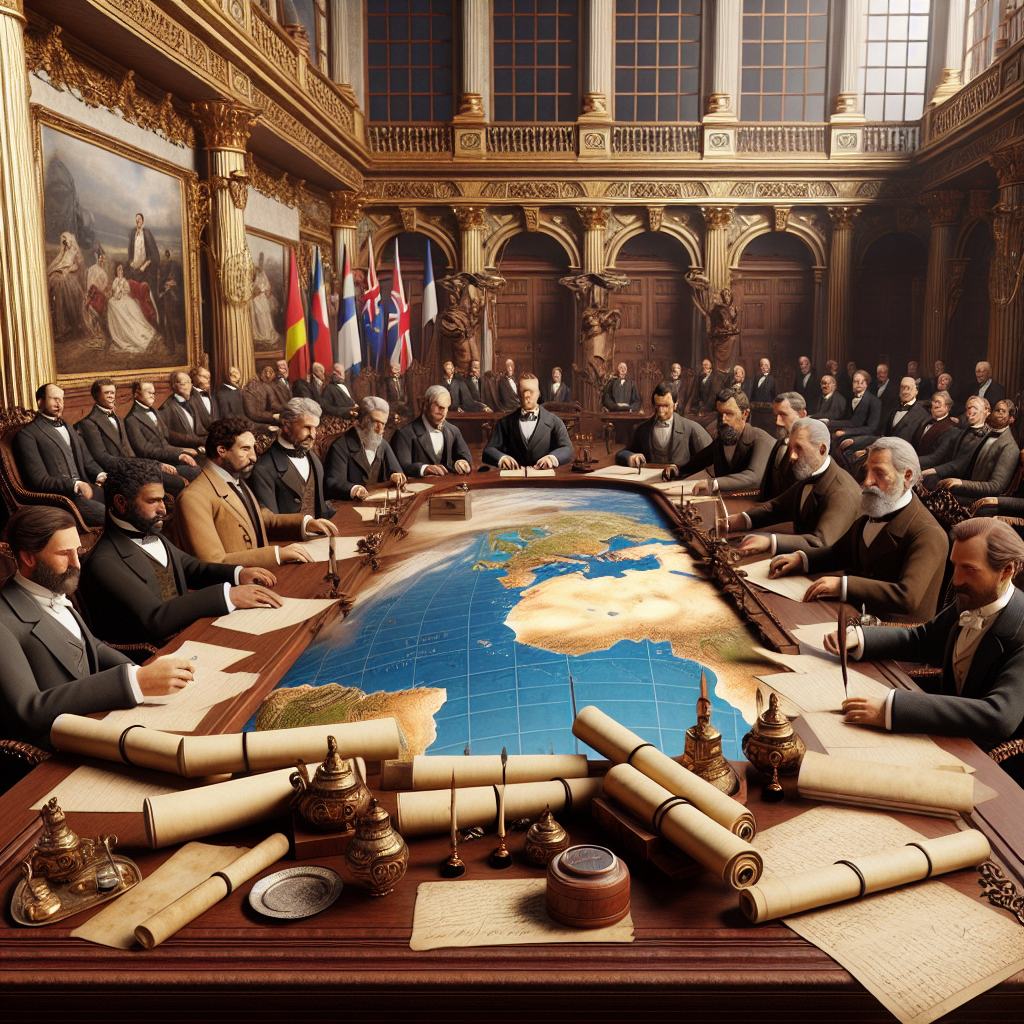
In 1884-1885, European powers convened in Berlin to discuss the partitioning of Africa, a continent rich in resources and strategic value. This meeting, known as the Berlin Conference, marked a significant turning point in African history, as it laid the groundwork for the colonization of Africa by European nations.

Key Objectives of the Conference
The Berlin Conference aimed to establish rules for the colonization and trade in Africa, reducing the potential for conflict among European powers. The conference was driven by several key objectives:

- To regulate European colonization and trade in Africa.
- To ensure free trade along the Congo and Niger rivers.
- To establish a framework for future territorial claims.
Major Players and Their Interests
The conference was attended by representatives from major European powers, each with their own interests:

- Germany: Hosted the conference and sought to expand its influence in Africa.
- France: Aimed to consolidate its territories in West and Central Africa.
- Britain: Focused on securing key trade routes and territories in East and Southern Africa.
- Belgium: King Leopold II sought personal control over the Congo Free State.
Outcomes and Impact on Africa
The Berlin Conference had profound and lasting impacts on Africa:
- Arbitrary borders were drawn, often splitting ethnic and cultural groups.
- European powers established colonies, exploiting Africa’s resources and people.
- The conference set the stage for decades of colonial rule and its associated challenges.
Legacy and Reflection
The legacy of the Berlin Conference is still felt today, as the borders drawn during the conference continue to influence African geopolitics. The division of Africa without regard for indigenous cultures and societies has had lasting effects on the continent’s development and stability.
Conclusion
The Berlin Conference was a pivotal event in world history, marking the beginning of a new era of European imperialism in Africa. Its decisions have had enduring consequences, shaping the political and social landscape of Africa to this day. Understanding this history is crucial for comprehending the complex dynamics of modern Africa.