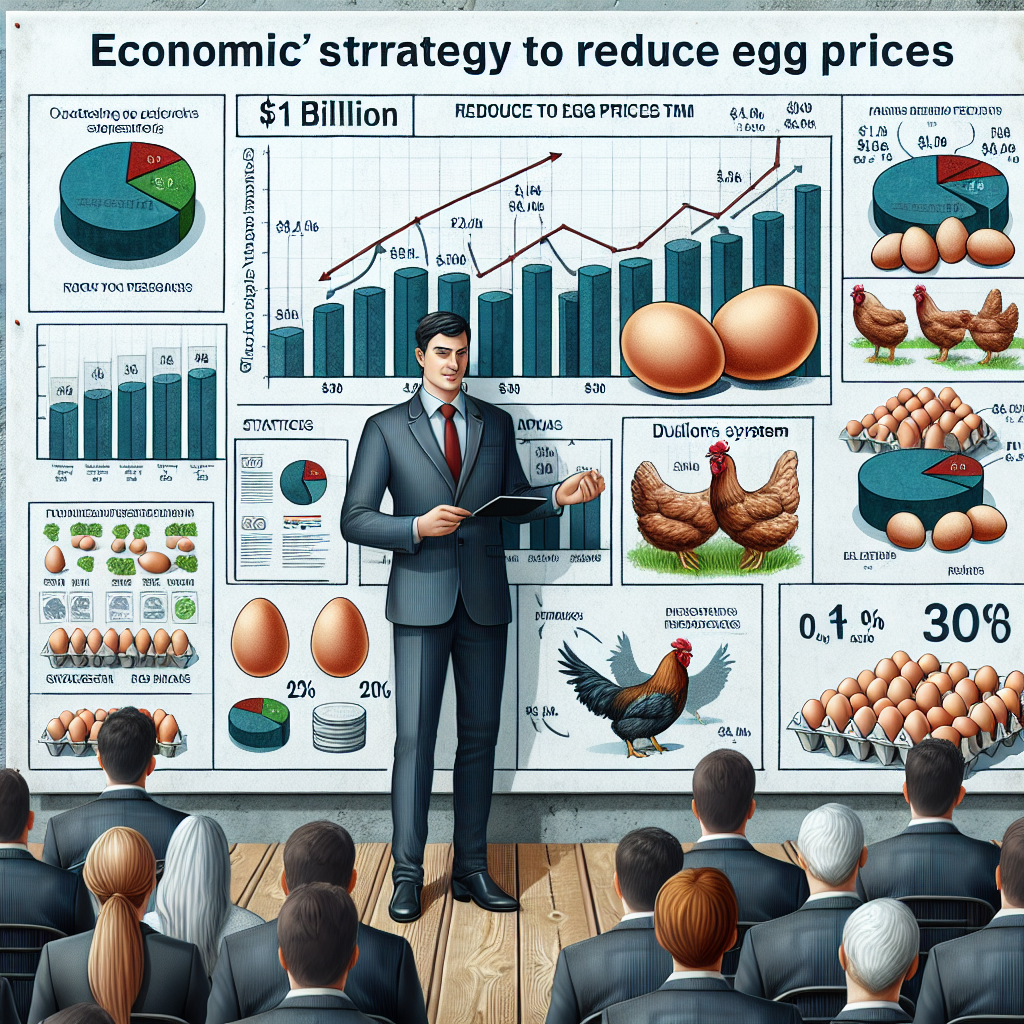
Trump’s $1 Billion Strategy to Reduce Egg Prices Explained
Trump’s $1 Billion Strategy to Reduce Egg Prices Explained
Introduction
In a bold move to tackle rising egg prices, former President Donald Trump has unveiled a $1 billion strategy aimed at stabilizing the market. This initiative seeks to address the root causes of price hikes and ensure affordability for consumers.

Key Components of the Strategy
- Investment in Domestic Production: The plan includes significant investments in domestic egg production facilities to boost supply and reduce dependency on imports.
- Subsidies for Farmers: Financial support will be provided to egg farmers to help them cope with rising feed and operational costs, ensuring they can maintain production levels.
- Regulatory Reforms: Streamlining regulations to make it easier for new producers to enter the market, increasing competition and driving down prices.
- Research and Development: Funding for R&D to improve egg production efficiency and sustainability, potentially leading to lower costs in the long term.
Expected Outcomes
The strategy aims to achieve several key outcomes:

- Price Stabilization: By increasing supply and reducing costs, the plan is expected to stabilize egg prices, making them more affordable for consumers.
- Economic Growth: The initiative is projected to create jobs and stimulate economic growth within the agricultural sector.
- Enhanced Food Security: By boosting domestic production, the strategy aims to enhance food security and reduce reliance on foreign imports.
Challenges and Criticisms
While the strategy is ambitious, it faces several challenges:

- Implementation Hurdles: The success of the plan depends on effective implementation and cooperation from various stakeholders.
- Environmental Concerns: Increased production may raise environmental concerns, necessitating sustainable practices.
- Political Opposition: The plan may face political opposition, particularly regarding the allocation of funds and regulatory changes.
Conclusion
Trump’s $1 billion strategy to reduce egg prices is a comprehensive approach aimed at addressing the underlying issues of supply and cost. By investing in domestic production, providing subsidies, and encouraging innovation, the plan seeks to stabilize prices and ensure affordability. However, its success will depend on overcoming implementation challenges and addressing environmental and political concerns.