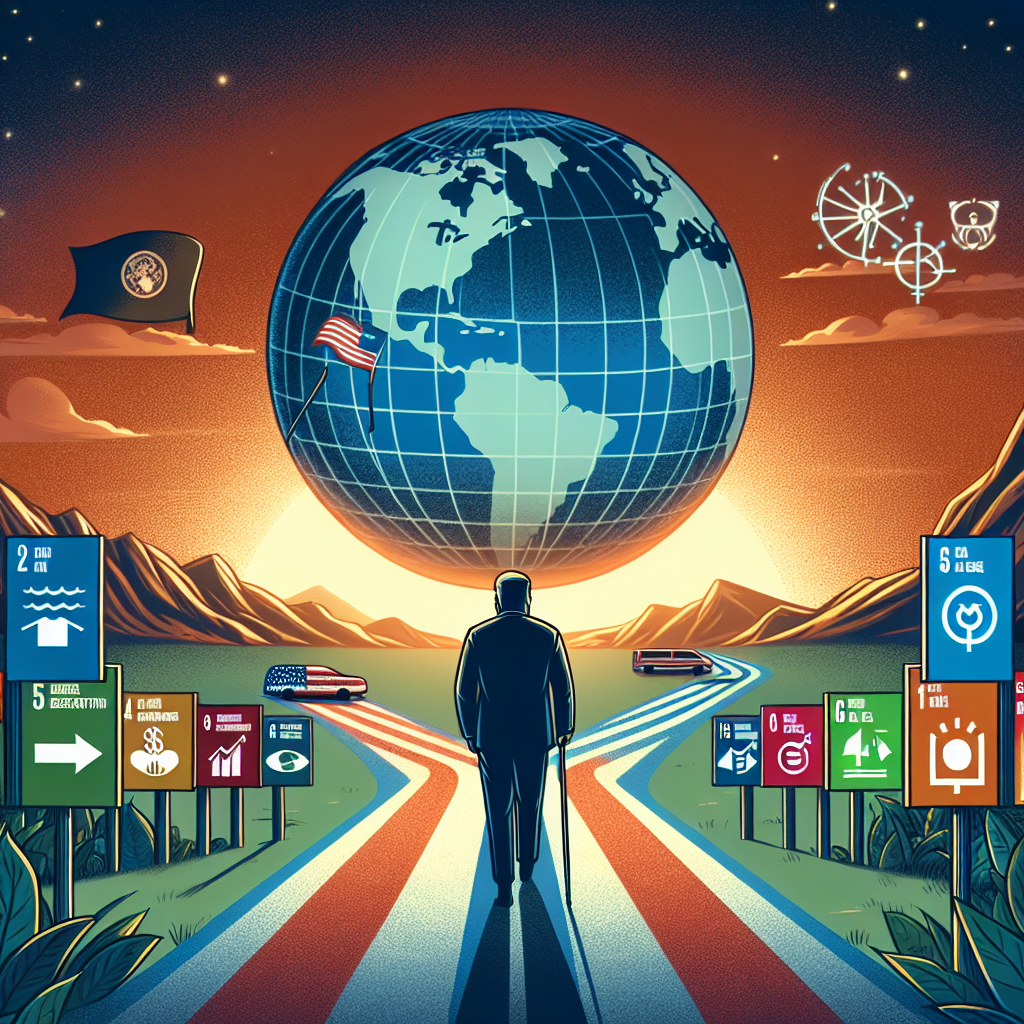
From Commitment to Rejection: The US Shift on UN Global Goals
From Commitment to Rejection: The US Shift on UN Global Goals
Introduction
The United States has undergone a significant policy shift regarding its stance on the United Nations’ Sustainable Development Goals (SDGs). This change marks a departure from previous commitments, raising questions about the future of global cooperation on critical issues.

Background on UN Global Goals
The UN’s Sustainable Development Goals, established in 2015, aim to address global challenges such as poverty, inequality, climate change, and peace by 2030. These goals require international collaboration and commitment to achieve meaningful progress.

Initial US Commitment
Initially, the United States was a strong proponent of the SDGs, actively participating in discussions and initiatives to promote sustainable development worldwide. Key areas of focus included:

- Climate action and environmental sustainability
- Economic growth and job creation
- Social equality and poverty reduction
Reasons for the Shift
The US’s recent shift away from the SDGs can be attributed to several factors:
- Changing political priorities and leadership
- Increased focus on domestic issues over international commitments
- Concerns about the financial implications of global initiatives
Implications of the Shift
This policy change has significant implications for both the US and the global community:
- Potential weakening of international cooperation on sustainable development
- Challenges in achieving the 2030 targets without US support
- Increased pressure on other nations to fill the leadership void
Conclusion
The US’s shift from commitment to rejection of the UN Global Goals represents a pivotal moment in international relations. While the move reflects changing domestic priorities, it poses challenges for global efforts to address pressing issues. The future of the SDGs will depend on how other nations respond and whether new forms of collaboration can emerge to fill the gap left by the US.