
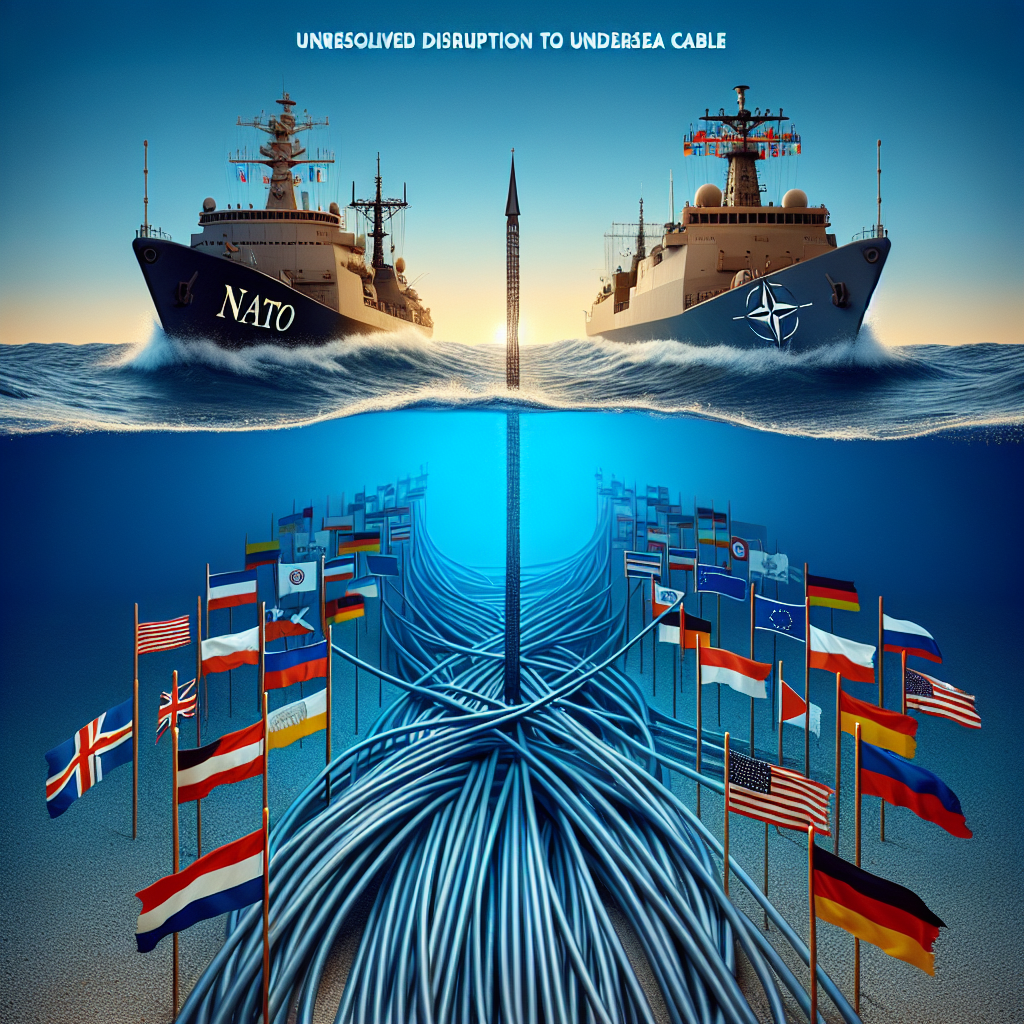
NATO Struggles to Connect Russia to Undersea Cable Disruptions – WSJ
NATO’s Challenge: Linking Russia to Undersea Cable Disruptions
Background
Recent disruptions to undersea communication cables have raised concerns among NATO members. These cables are crucial for global internet and communication networks, and any interference can have significant geopolitical and economic implications.

Investigation Efforts
NATO is actively investigating the incidents to determine the cause and potential perpetrators. However, establishing a direct connection to Russia has proven challenging due to several factors:

- Lack of concrete evidence linking Russia to the disruptions.
- Complexity of undersea cable networks, making it difficult to pinpoint the source of interference.
- Geopolitical tensions that complicate transparent investigations.
Strategic Concerns
The potential involvement of Russia in these disruptions is a significant concern for NATO, given the strategic importance of undersea cables. These cables are vital for:

- Military communications and operations.
- Global financial transactions and data exchanges.
- International diplomatic communications.
NATO’s Response
In response to these challenges, NATO is considering several measures to enhance the security of undersea cables:
- Increasing surveillance and monitoring of critical undersea infrastructure.
- Strengthening international cooperation to improve response capabilities.
- Investing in technology to better detect and prevent disruptions.
Conclusion
While NATO continues to investigate the undersea cable disruptions, the lack of definitive evidence linking Russia remains a hurdle. The situation underscores the need for enhanced security measures and international collaboration to protect these vital communication lines. As tensions persist, NATO’s strategic focus on safeguarding undersea infrastructure is more critical than ever.












