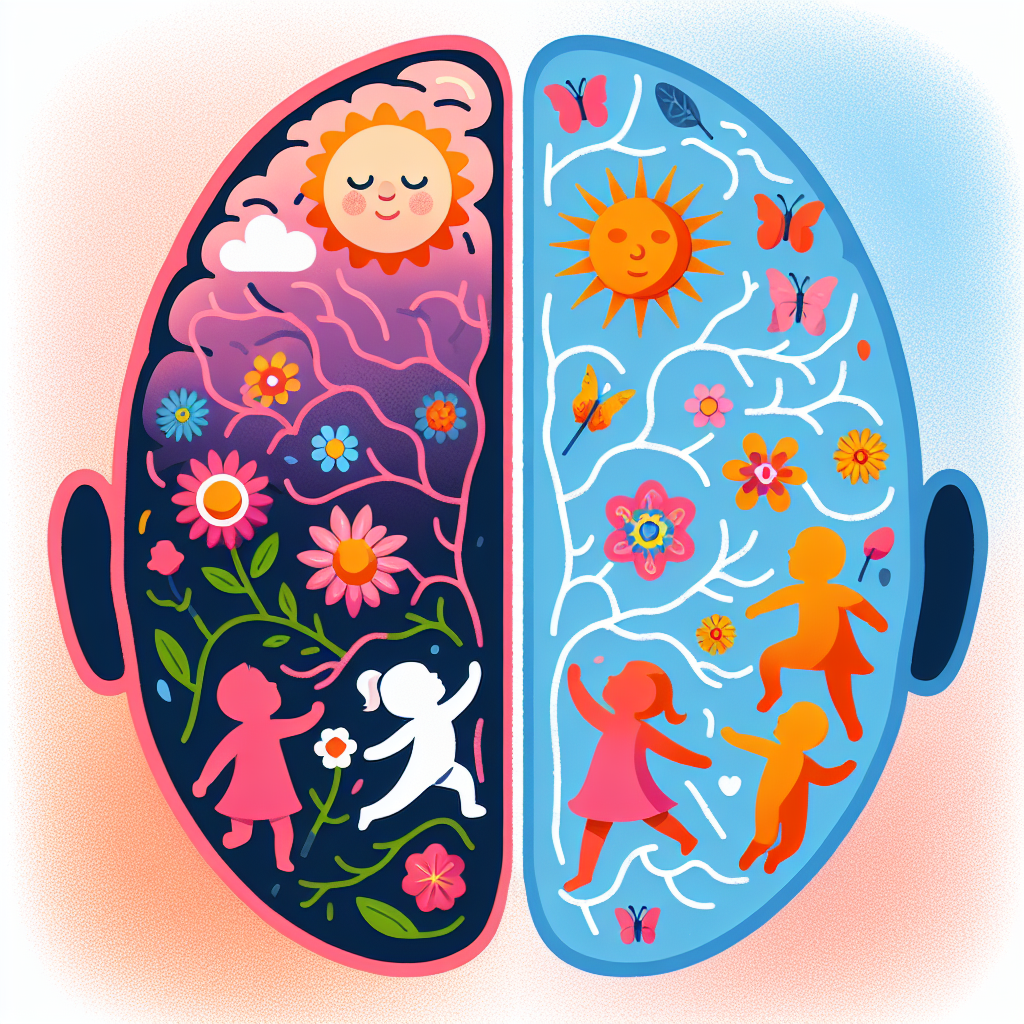
New Study Suggests Having Children May Shield Brain from Aging
New Study Suggests Having Children May Shield Brain from Aging
Introduction
A recent study has unveiled intriguing findings that suggest parenthood might play a role in protecting the brain from the effects of aging. This research offers a fresh perspective on the potential cognitive benefits of having children, challenging previous assumptions about the impact of parenthood on mental health.

Key Findings
- Protective Effect: The study indicates that individuals with children may experience slower cognitive decline compared to those without.
- Neuroplasticity Boost: Parenthood may enhance neuroplasticity, the brain’s ability to adapt and reorganize itself, which is crucial for maintaining cognitive function.
- Social Engagement: Increased social interaction and engagement, often associated with raising children, could contribute to improved brain health.
Research Methodology
The study analyzed data from a diverse group of participants, examining cognitive performance over several years. Researchers controlled for various factors, including socioeconomic status, education, and lifestyle habits, to ensure the accuracy of their findings.

Implications
- Public Health: These findings could influence public health strategies aimed at promoting cognitive health in aging populations.
- Further Research: The study opens avenues for further research into the biological and social mechanisms behind the protective effects of parenthood on the brain.
Conclusion
This groundbreaking study suggests that having children might offer unexpected cognitive benefits, potentially shielding the brain from the ravages of aging. While more research is needed to fully understand the underlying mechanisms, these findings provide a hopeful outlook for parents and highlight the complex interplay between social factors and brain health.