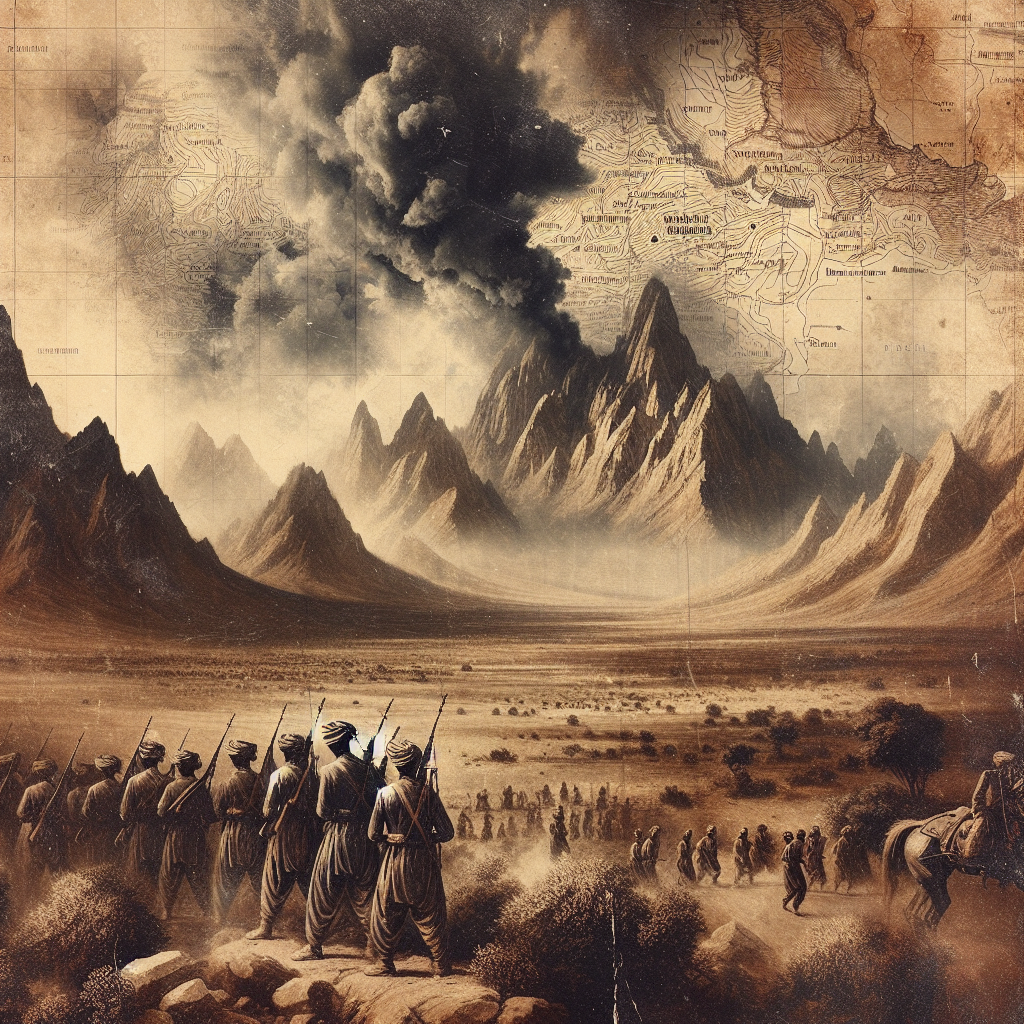
The Balochistan Saga: Jinnah’s Betrayal, Armed Uprising, and the Bangladesh Effect
The Balochistan Saga: Jinnah’s Betrayal, Armed Uprising, and the Bangladesh Effect
Introduction
The Balochistan Saga delves into the complex historical and political landscape of Balochistan, a region marked by its struggle for autonomy and identity. This narrative explores the perceived betrayal by Pakistan’s founding father, Muhammad Ali Jinnah, the subsequent armed uprisings, and the parallels drawn with the Bangladesh Liberation War.

Jinnah’s Betrayal
At the heart of Balochistan’s grievances lies the belief that Jinnah reneged on promises of autonomy. Key points include:

- Initial assurances of self-governance to Baloch leaders.
- The forced annexation of Balochistan into Pakistan in 1948.
- Long-standing resentment due to unfulfilled promises of autonomy.
Armed Uprising
The sense of betrayal fueled a series of armed uprisings, characterized by:

- Multiple insurgencies since the 1948 annexation.
- Demands for greater political and economic rights.
- Harsh military responses leading to further unrest.
The Bangladesh Effect
The Balochistan conflict draws comparisons with the Bangladesh Liberation War, highlighting:
- Similarities in the struggle for self-determination.
- The impact of military oppression on regional stability.
- Lessons from Bangladesh’s successful secession influencing Baloch aspirations.
Conclusion
The Balochistan Saga underscores a persistent struggle for autonomy and recognition, rooted in historical grievances and exacerbated by military confrontations. The narrative draws significant parallels with the Bangladesh Liberation War, offering insights into the broader implications of regional autonomy movements. Understanding these dynamics is crucial for addressing the ongoing conflict and fostering peace in the region.