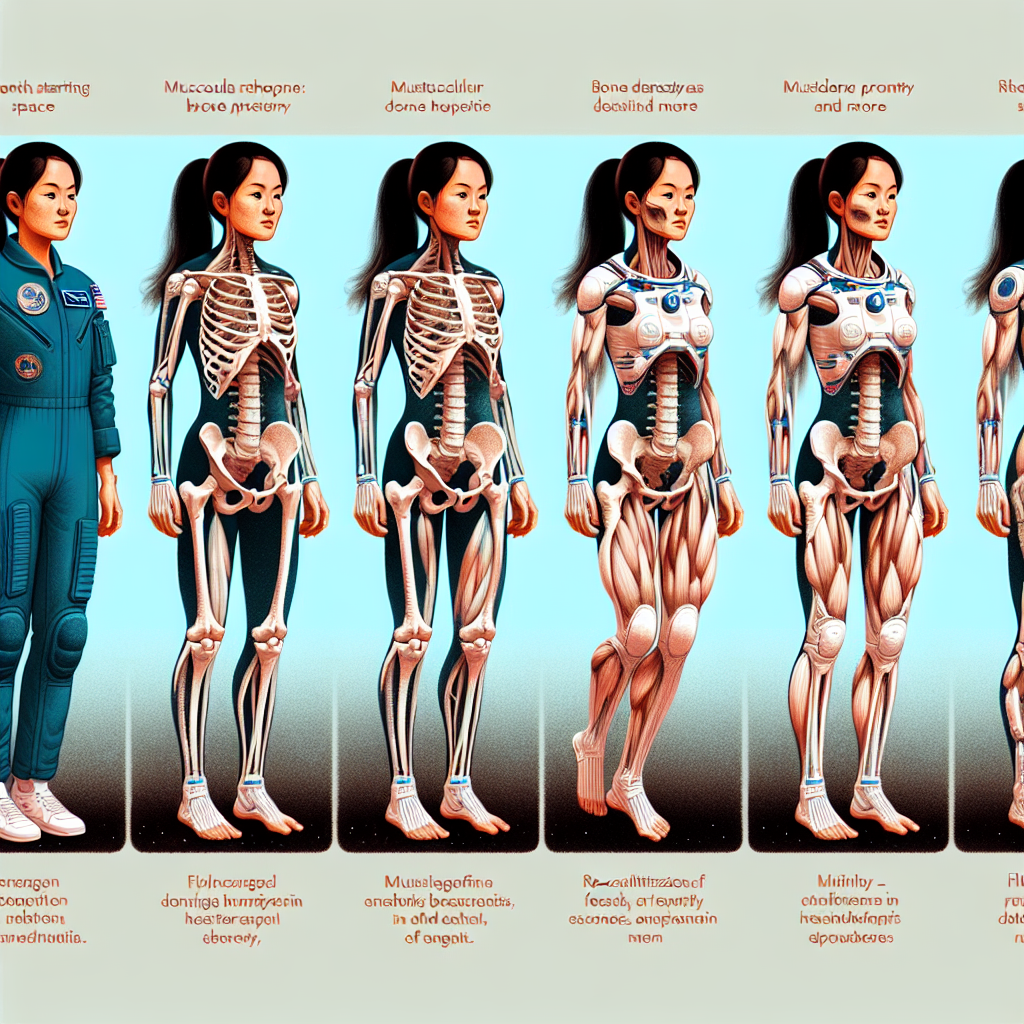
The Impact of Space on the Human Body: NASA Astronauts’ 9-Month Journey Back to Earth
The Impact of Space on the Human Body: NASA Astronauts’ 9-Month Journey Back to Earth
Introduction to the Journey
NASA astronauts have embarked on a groundbreaking 9-month mission to study the effects of prolonged space travel on the human body. This mission is crucial for understanding the physiological and psychological challenges faced by astronauts during extended periods in space.

Key Insights from the Mission
Physical Changes
- Muscle Atrophy: Prolonged weightlessness leads to significant muscle loss, necessitating rigorous exercise regimens.
- Bone Density Loss: Astronauts experience a decrease in bone density, increasing the risk of fractures.
- Cardiovascular Alterations: Changes in blood flow and heart function are observed, requiring careful monitoring.
Psychological Effects
- Isolation and Confinement: Extended isolation can lead to psychological stress and requires effective coping strategies.
- Sleep Disruption: The absence of a natural day-night cycle affects sleep patterns, impacting overall health.
Technological and Medical Innovations
The mission has spurred advancements in technology and medicine, including:

- Exercise Equipment: Development of compact, efficient exercise devices to combat muscle and bone loss.
- Medical Monitoring: Enhanced systems for real-time health monitoring and data collection.
Conclusion
The 9-month journey of NASA astronauts provides invaluable insights into the impact of space on the human body. Understanding these effects is essential for the future of long-duration space missions, such as those to Mars. The mission not only highlights the challenges faced by astronauts but also drives innovation in technology and healthcare, paving the way for safer and more effective space exploration.