
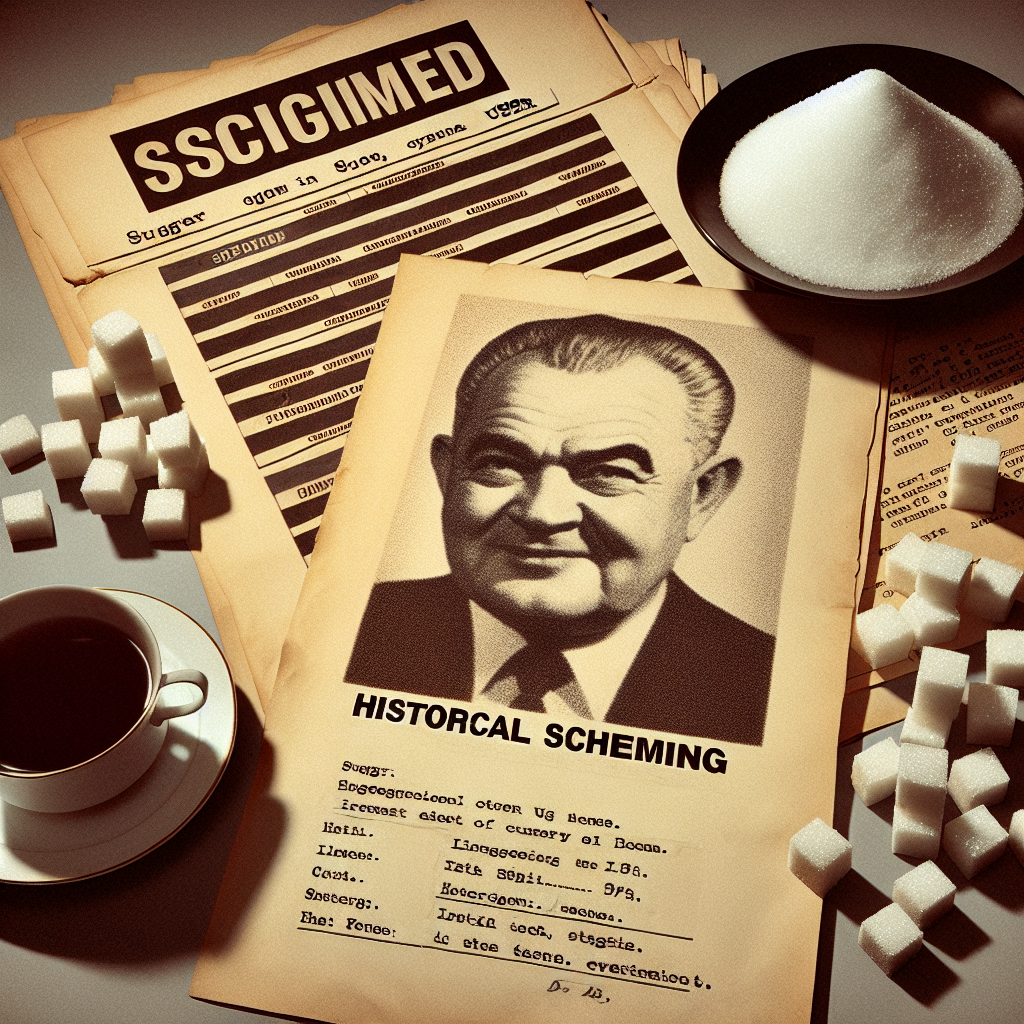
CIA’s Sugar Sabotage: JFK Files Reveal Plot Against USSR
CIA’s Sugar Sabotage: JFK Files Reveal Plot Against USSR
Unveiling the Secret Plot
Recently declassified JFK files have shed light on a covert CIA operation aimed at undermining the Soviet Union during the Cold War. Dubbed the “Sugar Sabotage,” this clandestine plan reveals the lengths to which the U.S. intelligence agency was willing to go to destabilize its geopolitical rival.

The Sabotage Strategy
The operation involved a series of calculated moves designed to disrupt the Soviet economy and food supply. Key elements of the plan included:

- Contaminating sugar supplies to create widespread shortages.
- Targeting key distribution networks to amplify the impact.
- Leveraging psychological warfare to sow distrust among Soviet citizens.
Historical Context and Implications
This revelation provides a deeper understanding of the intense rivalry between the U.S. and the USSR during the Cold War. It highlights the strategic importance of economic warfare and the lengths to which nations will go to gain an upper hand.

Reactions and Reflections
The disclosure of the Sugar Sabotage plot has sparked discussions among historians and political analysts. Key reactions include:
- Surprise at the audacity and creativity of Cold War espionage tactics.
- Concerns about the ethical implications of such covert operations.
- Recognition of the complex interplay between intelligence agencies and global politics.
Conclusion
The unveiling of the CIA’s Sugar Sabotage plot against the USSR offers a fascinating glimpse into the covert operations of the Cold War era. It underscores the strategic importance of economic disruption in geopolitical conflicts and raises important questions about the ethical boundaries of intelligence work.












