
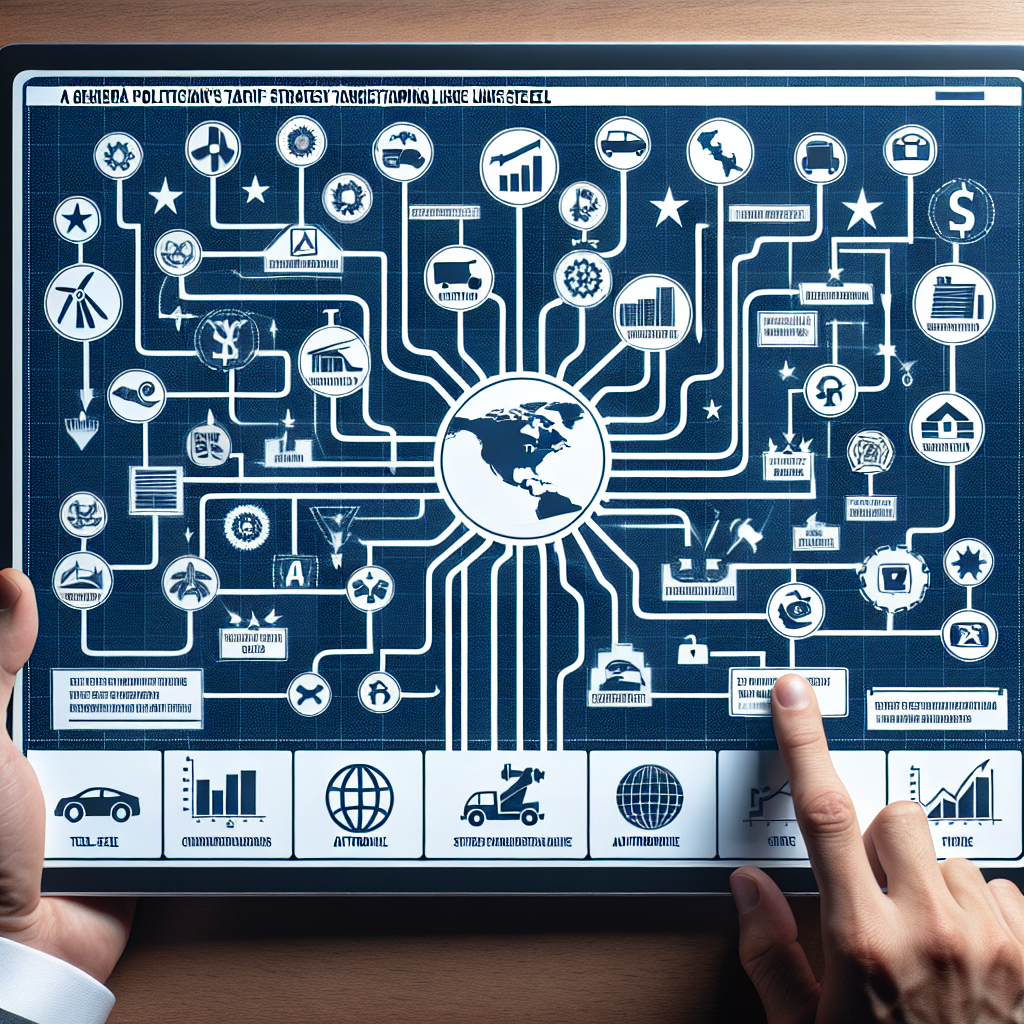
Trump’s Tariff Targets: From Steel to Cars and What’s Next

Trump’s Tariff Targets: From Steel to Cars and What’s Next
Introduction to Tariff Strategies
In a bold move to reshape international trade dynamics, former President Donald Trump implemented a series of tariffs targeting various industries. These tariffs aimed to bolster American manufacturing and address trade imbalances, but they also sparked significant global economic debates.

Key Industries Affected
Trump’s tariffs primarily focused on two major sectors:


- Steel and Aluminum: In 2018, tariffs were imposed on steel (25%) and aluminum (10%) imports, citing national security concerns and the need to protect domestic industries.
- Automotive Industry: The administration threatened tariffs on imported cars and auto parts, aiming to revitalize the U.S. auto industry and reduce trade deficits, particularly with the European Union and Japan.
Global Reactions and Consequences
The tariffs led to a series of international responses and consequences:

- Retaliatory Tariffs: Countries like China, Canada, and the EU imposed their own tariffs on American goods, escalating trade tensions.
- Trade Negotiations: The tariffs prompted renegotiations of trade agreements, including the USMCA, which replaced NAFTA.
- Economic Impact: While some U.S. industries benefited, others faced increased costs and supply chain disruptions.
What’s Next in Trade Policy?
As the global economy continues to evolve, the future of U.S. trade policy remains uncertain. Key considerations include:
- Balancing Protectionism and Globalization: Future administrations must navigate the fine line between protecting domestic industries and engaging in global trade.
- Addressing Trade Deficits: Ongoing efforts to reduce trade deficits will likely influence future tariff strategies.
- Environmental and Labor Standards: Increasing emphasis on sustainable and ethical trade practices may shape upcoming policies.
Conclusion
Trump’s tariff policies marked a significant shift in U.S. trade strategy, with lasting impacts on global economic relations. As the world adapts to these changes, the balance between protectionism and globalization will continue to be a pivotal issue in shaping future trade policies.













