BRICS Nations Challenge US Impunity, Says Iranian FM

The BRICS nations are increasingly vocal in their bid to counter perceived US hegemony on the global stage. Citing their collective strength, Iranian Foreign Minister Hossein Amir-Abdollahian has articulated a vision for international relations that suggests the need to confront what he describes as “US impunity.” As BRICS continues to expand its membership and influence, the implications for world politics become more complex, inviting diverse viewpoints about the organization’s future and the geopolitical landscape.

The Shift in Global Power Dynamics
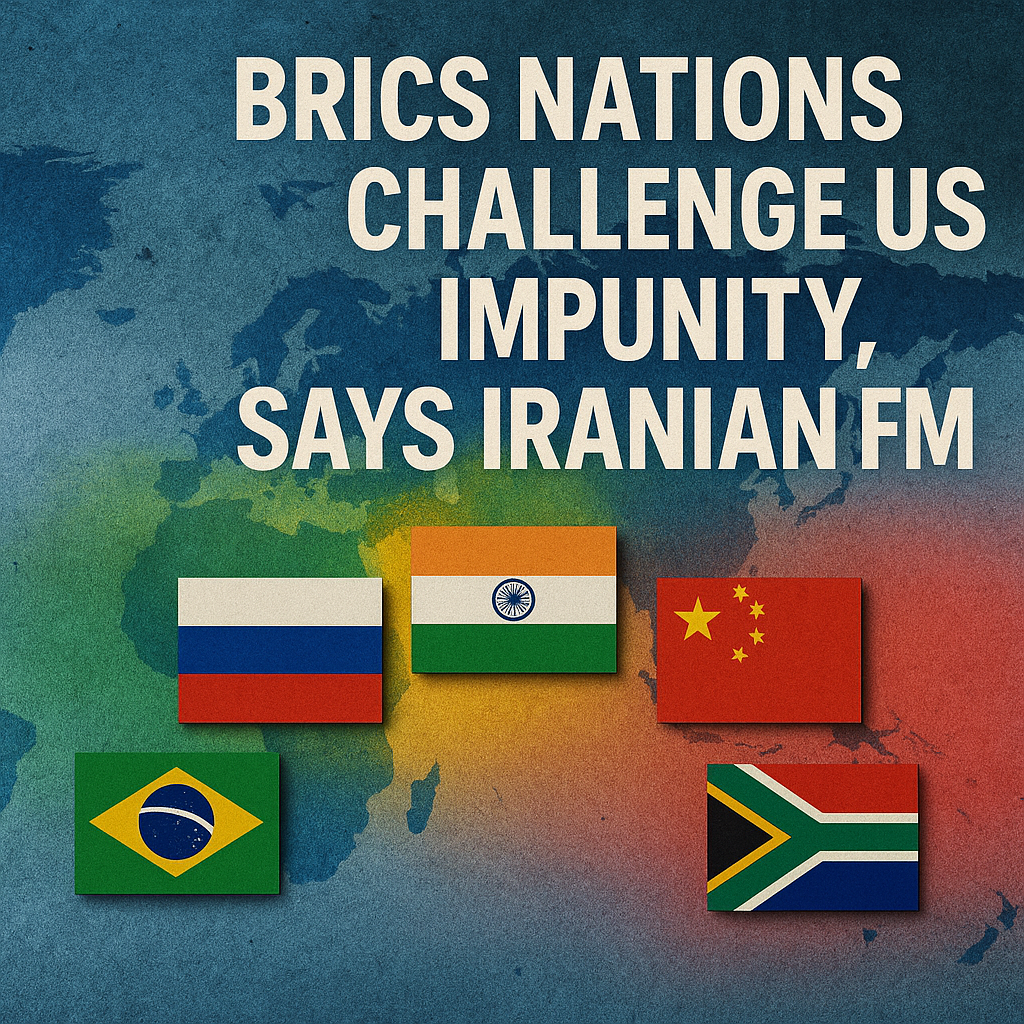
Amir-Abdollahian’s remarks come at a time when the BRICS coalition, initially composed of Brazil, Russia, India, China, and South Africa, is expanding its membership. As countries from different regions express interest in joining, the alliance presents a formidable challenge to Western dominance. Recent discussions have notably included voices from Latin America, Africa, and Asia, underscoring the bloc’s intent to create a multipolar world.


A Coalition Against Western Policies
Iran’s call for BRICS to dismantle the sense of impunity held by the US points to a broader critique of American foreign policy, particularly in the Middle East. Historically, Iran has been at odds with the US, particularly following sanctions and interventions that it views as violations of its sovereignty. This sentiment resonates with other nations that perceive US actions as unilateral and often destabilizing. For instance, countries like Venezuela and Russia echo similar grievances, arguing that US interventions have had detrimental effects on regional stability.


However, the challenge posed by BRICS is not merely about opposing the US. It also reflects a desire for economic cooperation among member states. Commentators from Al Jazeera suggest that while the bloc aims to create a counterbalance to Western influence, it also presents opportunities for economic collaboration that are mutually beneficial. By pooling resources and sharing markets, member nations aim to strengthen their economic standing on the global stage.
Diverging Perspectives on US Impunity
While Amir-Abdollahian’s perspective is echoed by several other nations within the BRICS framework, not all voices in the global community agree with the narrative of US impunity. For example, some analysts suggest that the US remains a crucial player in addressing global issues like climate change and health crises. In this view, isolating the US could hinder collaborative efforts critical for global stability. Sky News commentators have articulated that while there are legitimate concerns about American dominance, a complete divergence from its policies may not serve the long-term interests of many countries.
Moreover, critics within international relations argue that the BRICS alliance, while ambitious, may lack cohesion. The disparate political systems and economic interests of member countries could complicate unified action against the US. This uncertainty raises questions about how effective BRICS can be in challenging established power structures.
The BRICS Potential and Future Outlook
The growth of the BRICS alliance underscores a significant shift in the geopolitical landscape. The pooling of resources, varying economies, and growth rates among its members create a unique situation where cooperation becomes feasible, albeit complicated. The group’s focus on development, sustainability, and social equality contrasts with the individualistic and often capitalist-driven narratives promoted by the West.
As new nations express interest in joining BRICS, the future dynamics could be shaped by both collaboration and conflict. Continued dialogues and summits will be essential in finding common ground among diverse members while addressing the collective goal of redefining global governance.
In conclusion, as the Iranian Foreign Minister articulates, the challenge posed by BRICS to US dominance introduces complexities that warrant close observation. The interplay of cooperation among emerging economies with divergent political landscapes paints a multifaceted picture of world order that is continually evolving. How well BRICS navigates these challenges could fundamentally alter the balance of power in international relations, making it a focal point for global political discourse in the coming years.