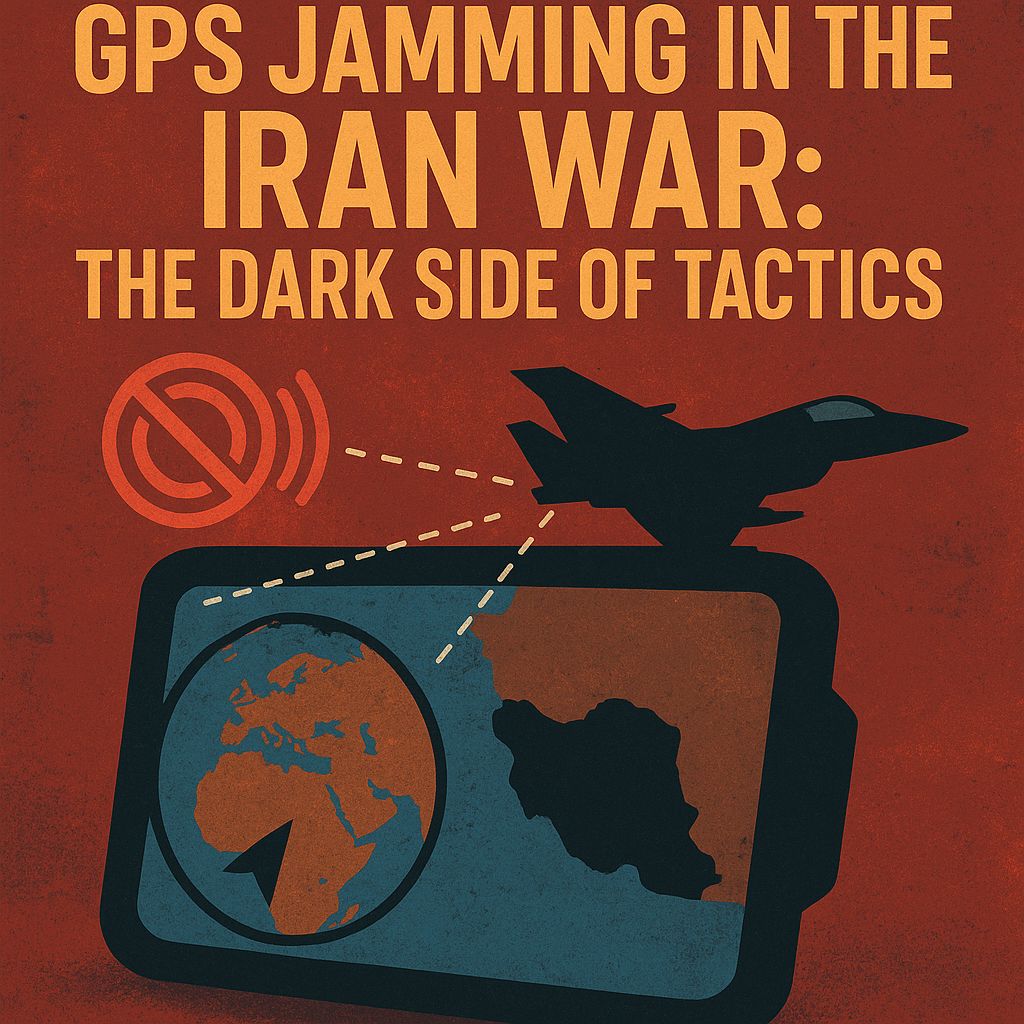
GPS Jamming in the Iran War: The Dark Side of Tactics

GPS Jamming in the Iran War: The Dark Side of Tactics
In the midst of modern warfare, GPS jamming has emerged as a double-edged sword, reflecting the complexities and tactical nuances of contemporary conflicts like the ongoing situation in Iran. While some military experts hail it as a strategic necessity, others raise concerns about its implications for both military operations and civilian safety.

The Emergence of GPS Jamming Tactics
GPS technology is integral for precision in military operations. The recent conflict in Iran has seen an increase in the use of GPS jamming to disrupt enemy operations. According to a report by Sky News, this form of electronic warfare is not limited to Iran but is pervasive globally, with various nations employing jamming tactics to neutralize the advantages of GPS-dependent technology. Armed forces utilize these techniques to protect their assets and challenge their adversaries’ operational efficiencies.


The allure of GPS jamming lies in its ability to disrupt communication and navigation systems, rendering enemy forces less efficient. This tactic can effectively blind drones, divert missiles, and mislead navigating troops. The precision required in modern warfare relies heavily on satellite technology; hence, disrupting this tech can drastically alter the battlefield’s dynamics.


Risks and Consequences of GPS Interference
While GPS jamming presents advantages in military strategy, it also raises critical ethical and operational concerns. The unintended consequences can be dire. Jamming can impact civilian navigational systems, which are increasingly integrated into everyday life through smartphones and other devices. Incidents of civilian aircraft being affected during military exercises or conflicts highlight the dangers involved. An article from Al Jazeera discussed a recent incident where civilian flights were disrupted during military operations due to jamming, amplifying concerns over civilian safety in conflict zones.
Moreover, the deployment of such tactics poses questions about accountability and the rules of engagement in warfare. Dr. Ali Akbar Velayati, an Iranian military analyst, notes the “disproportionate” impact of jamming on civilians compared to military targets—an assertion echoed by human rights advocates who emphasize the need for stricter guidelines governing such tactics.
Balancing Military Objectives with Ethical Standards
As militaries around the globe increasingly adopt GPS jamming, the question remains: how does one balance military necessity with humanitarian considerations? Countries often justify the use of jamming under the pretext of national security, claiming that it is essential to achieving strategic objectives. However, this rationale must be weighed against the potential harm to innocent civilians caught in the crossfire of technological warfare.
Experts argue for the establishment of international norms regarding the use of electronic warfare tools. Such frameworks would help delineate acceptable practices while mitigating risks to civilian lives. The complexity of modern warfare technology, as pointed out by analysts, suggests that discussions must include both military leaders and ethical lawmakers to navigate the blurry lines between defense and recklessness.
Future Implications of Evolving Warfare Technologies
The implications of GPS jamming extend beyond immediate military tactics; they signify a broader trend in how conflicts are fought and the technologies employed in these endeavors. As nations race to develop more sophisticated jamming systems, the reality of asymmetric warfare grows increasingly prevalent, where technologically advanced nations can leverage their systems against less capable foes.
The ongoing conflict in Iran presents a poignant illustration of how these tactics are evolving. Reports from various sources indicate an uptick in sophisticated jamming technologies that not only disrupt GPS signals but also target other communication channels, leading to an even more chaotic battlefield environment. This trend raises the stakes, amplifying calls for international dialogue on responsible military conduct in the age of digital warfare.
In summary, GPS jamming is a tactical reality of modern military engagements, particularly exemplified in the Iran War. While it serves strategic purposes, the ethical implications and potential civilian risks cannot be overlooked. Policymakers, military leaders, and international bodies must engage in concerted efforts to establish norms governing the use of jamming tactics, ensuring that military advancements do not come at the expense of humanitarian considerations. As the nature of warfare continues to evolve, embracing a balanced approach will be crucial in navigating this dark aspect of military strategy.