Israeli Forces Storm Gaza-Bound Aid Flotilla Reports

Israeli Forces Storm Gaza-Bound Aid Flotilla: A Complex Humanitarian Crisis
The recent report of Israeli forces storming a Gaza-bound aid flotilla underscores the complexities of humanitarian efforts in politically charged environments. Compounded by a long-standing conflict, the incident raises questions about the challenges NGOs face when attempting to deliver aid to regions under blockade, such as Gaza.

The Incident: What Happened?
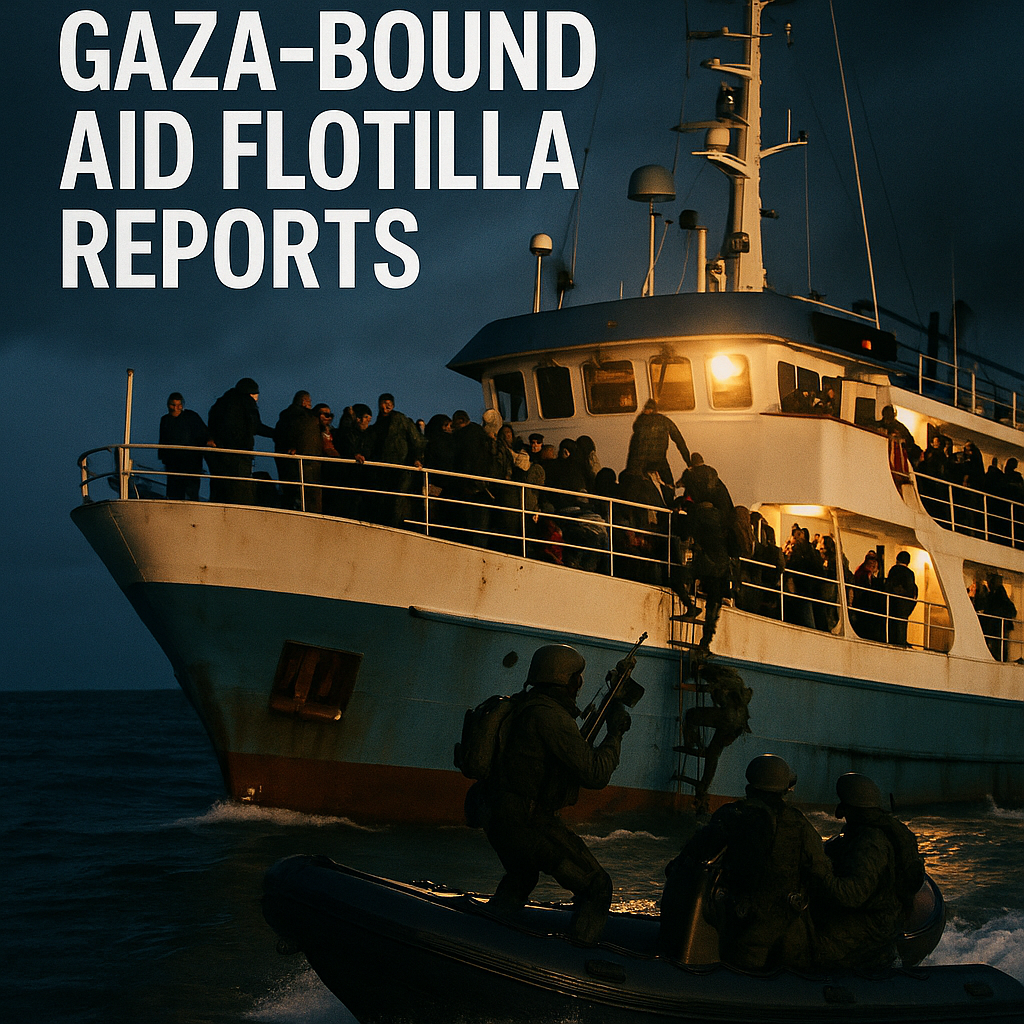
According to reports, Israeli naval forces intercepted the flotilla while it was attempting to reach Gaza. The flotilla consisted of an organized group of humanitarian activists and non-governmental organizations aiming to deliver essential supplies, including medical aid and food. Eyewitness accounts indicate that the operation was met with both resistance and apprehension from those onboard the ships.


In a detailed analysis, RT reported that Israeli military officials claimed the flotilla was attempting to breach a naval blockade intended to prevent the smuggling of weapons into Gaza. The Israeli government emphasized their stance that such interception is essential for national security. Furthermore, they asserted that the flotilla had been warned in advance to change its course but persisted in its journey regardless.


Perspectives from the Ground
Al Jazeera provided perspectives from various activists on board the boats, who described their mission as a humanitarian effort aimed at alleviating the suffering in Gaza, which has faced economic and social challenges exacerbated by a blockade that has lasted over a decade. Activists argued that the delivery of aid is not just a vital necessity but also a moral obligation, highlighting the humanitarian crisis unfolding in Gaza.
The diverging views on this incident serve as a microcosm of the broader Israeli-Palestinian conflict. While some stakeholders view the flotilla’s mission as a legitimate attempt to provide humanitarian assistance, others see it as a deliberate violation of international law and Israeli sovereignty.
The Broader Context of Humanitarian Aid
Humanitarian efforts in conflict zones like Gaza have historically encountered intricate legal and political hurdles. The blockade, initiated in 2007 by Israel in response to security threats, has led to dire living conditions for many Palestinians. Frequent reports from organizations like the United Nations warn of deteriorating humanitarian conditions, noting high poverty rates and insufficient access to basic services.
In view of these challenges, NGOs and international bodies often find themselves balancing the urgent need for aid against the complexities of regional security. This tension complicates the question of how best to support vulnerable populations without exacerbating conflicts.
Contrasting Views on Interception
While the Israeli government focuses on security concerns and emphasizes the legality of their actions, critics argue that such military interventions undermine humanitarian principles. Many NGOs, including those involved with the flotilla, insist that the blockade itself is a form of collective punishment and constitutes a violation of international law.
Organizations like Human Rights Watch have often condemned the Israeli blockade as a major barrier to humanitarian access, arguing that it prevents basic supplies from reaching those most in need. This criticism is juxtaposed against claims from Israeli authorities who highlight their right to defend against potential military threats.
Possible Implications for Future Aid Efforts
The storming of the aid flotilla may have far-reaching ramifications for future humanitarian missions to Gaza. Many activists and humanitarian workers fear that increased military responses could deter future attempts to deliver aid, further exacerbating the humanitarian crisis.
Furthermore, the incident could influence international public opinion, potentially galvanizing support for initiatives aimed at changing existing policies regarding aid delivery into Gaza. As the international community watches closely, there’s potential for this incident to spur diplomatic efforts aimed at resolving broader issues surrounding humanitarian access.
Conclusion: A Cycle of Struggle
The storming of the Gaza-bound aid flotilla is emblematic of the continuing struggle between delivering humanitarian aid and maintaining regional security. With deeply entrenched narratives on both sides, finding common ground remains a daunting challenge.
As humanitarian organizations continue to advocate for relief efforts, the complex landscape of Israeli-Palestinian relations continues to shape the prospects for peace. Until a resolution is achieved, incidents like this will likely persist, underscoring the urgent need for dialogue and mutual understanding.