Judge Freezes Trump Sanctions on Critic of Israel

Judge Freezes Trump Sanctions on Critic of Israel
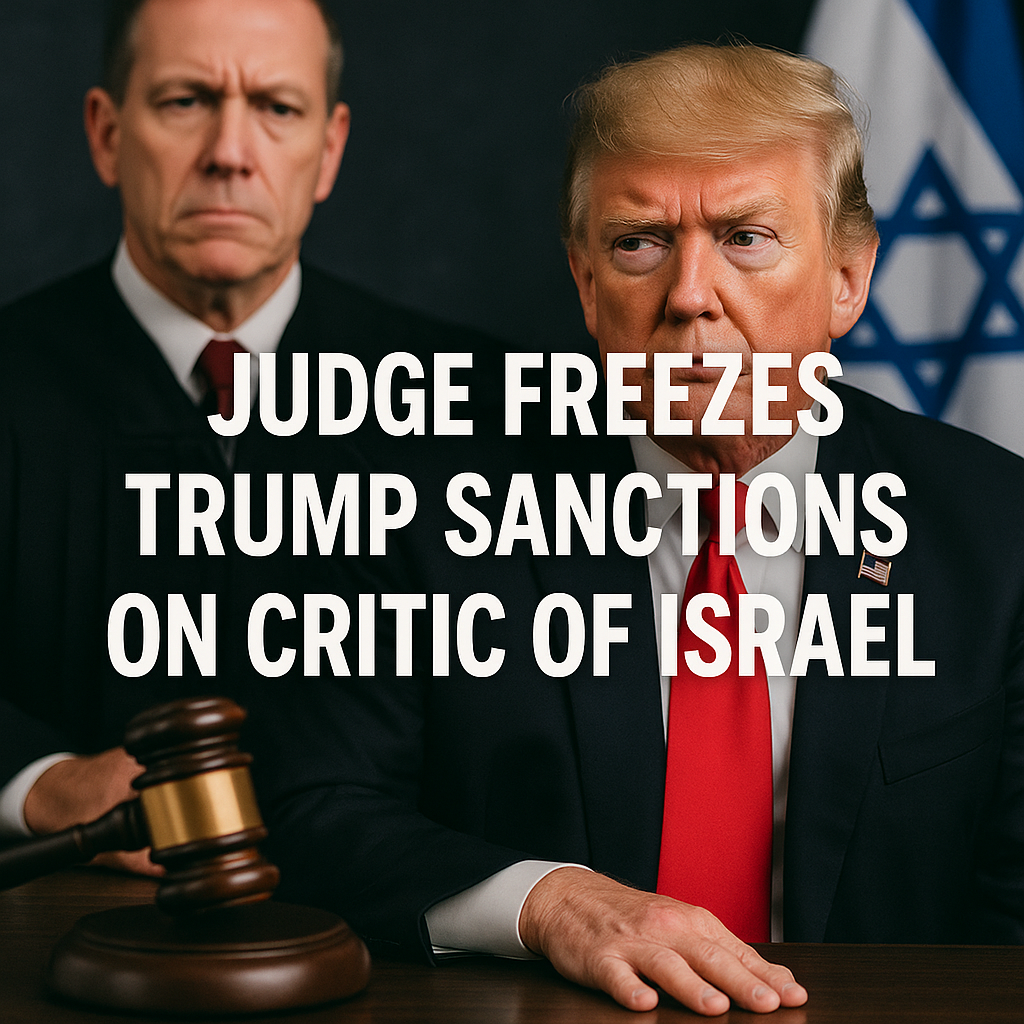
In a notable legal development, a U.S. judge has issued a temporary freeze on sanctions imposed by the Trump administration against an outspoken critic of Israeli policies. This case highlights the ongoing debates surrounding free speech, international relations, and the role of government in shaping public discourse.

Background on the Sanctions
The sanctions in question target individuals and organizations that have been vocal against certain aspects of Israeli governance, particularly regarding the treatment of Palestinians. Critics assert that these sanctions act as a deterrent to legitimate criticism and debate surrounding U.S. foreign policy.


The specific case revolves around the sanctions on an advocate who has consistently challenged U.S. support for Israel and highlighted the humanitarian crises in Palestinian territories. Proponents of the sanctions argue that they are necessary to prevent anti-Semitic rhetoric and actions. However, those opposed to them view the sanctions as an infringement on free speech and a tactic to stifle dissent.


According to reports from Al Jazeera, the judge’s ruling allows for a reassessment of the legality of these sanctions, particularly in light of the First Amendment. The temporary freeze serves to ensure that the individual in question can continue to voice opinions and engage in advocacy without fear of legal repercussions stemming from the sanctions.
The Divided Perspectives
The ruling has drawn diverse reactions. Supporters of the judge’s decision emphasize the importance of protecting free speech, particularly for individuals who hold dissenting viewpoints on contentious issues like U.S.-Israel relations. They argue that sanctions should not be weaponized to silence critics, as doing so undermines democratic principles and public debate.
Conversely, those in favor of the sanctions maintain that they are essential for combating anti-Semitism and sustaining a narrative that supports Israel. They argue that criticism of Israel can sometimes cross the line into hostility, which they claim warrants government intervention. This perspective suggests that unbridled free speech can lead to dangerous outcomes, especially in a politically charged environment.
The nuances in this discussion are critical. While free speech is a protected right, the possibility of hateful rhetoric is a genuine concern for many who advocate for a safe discourse environment, particularly surrounding sensitive topics like race, religion, and geopolitics.
Legal Implications and Broader Context
This legal case brings to the forefront significant questions about the boundaries of free speech in the context of foreign policy criticism. As reported by multiple outlets, including Sky News, the importance of this ruling lies not just in its immediate effects on the individual but also in its broader implications for others who may face similar repercussions for expressing dissenting opinions.
The freezing of sanctions may also set a precedent for future cases where critics of U.S. policies feel threatened by governmental actions. It underscores a judicial recognition that while the government can regulate certain aspects of speech, it must tread carefully when it comes to political expression.
Furthermore, this case is set against a backdrop of rising tensions between different factions within the United States regarding Israel. The increasing polarization surrounding this issue reflects wider cultural divides, with many younger Americans advocating for a reevaluation of traditional U.S. support for Israel in favor of Palestinian rights.
Conclusion: An Ongoing Debate
The temporary freeze on sanctions represents a pivotal moment in the ongoing debate over free speech, particularly regarding criticism of powerful state policies. While the ruling affirms the importance of protecting dissent, it also underscores the complexities involved in balancing free expression with societal concerns around hate speech and its potential repercussions.
As this case continues to unfold, both supporters and detractors of the sanctions will no doubt engage in further discussions about the implications for free speech, the responsibilities of government, and the future of U.S.-Israel relations. With polarized opinions on all sides, it remains clear that the dialogue surrounding this topic will be critical for shaping future policies and norms.