Afghanistan’s Economy Is Growing, but Rising Population and Falling Aid Keep Recovery Fragile
Afghanistan’s economy is recovering, with real GDP growth estimated at 4.8 percent in 2025, but rapid population growth and the return of millions of Afghans have reduced GDP per capita and increased pressure on jobs, housing and public services. Rising inflation and weaker foreign assistance are further limiting household gains.
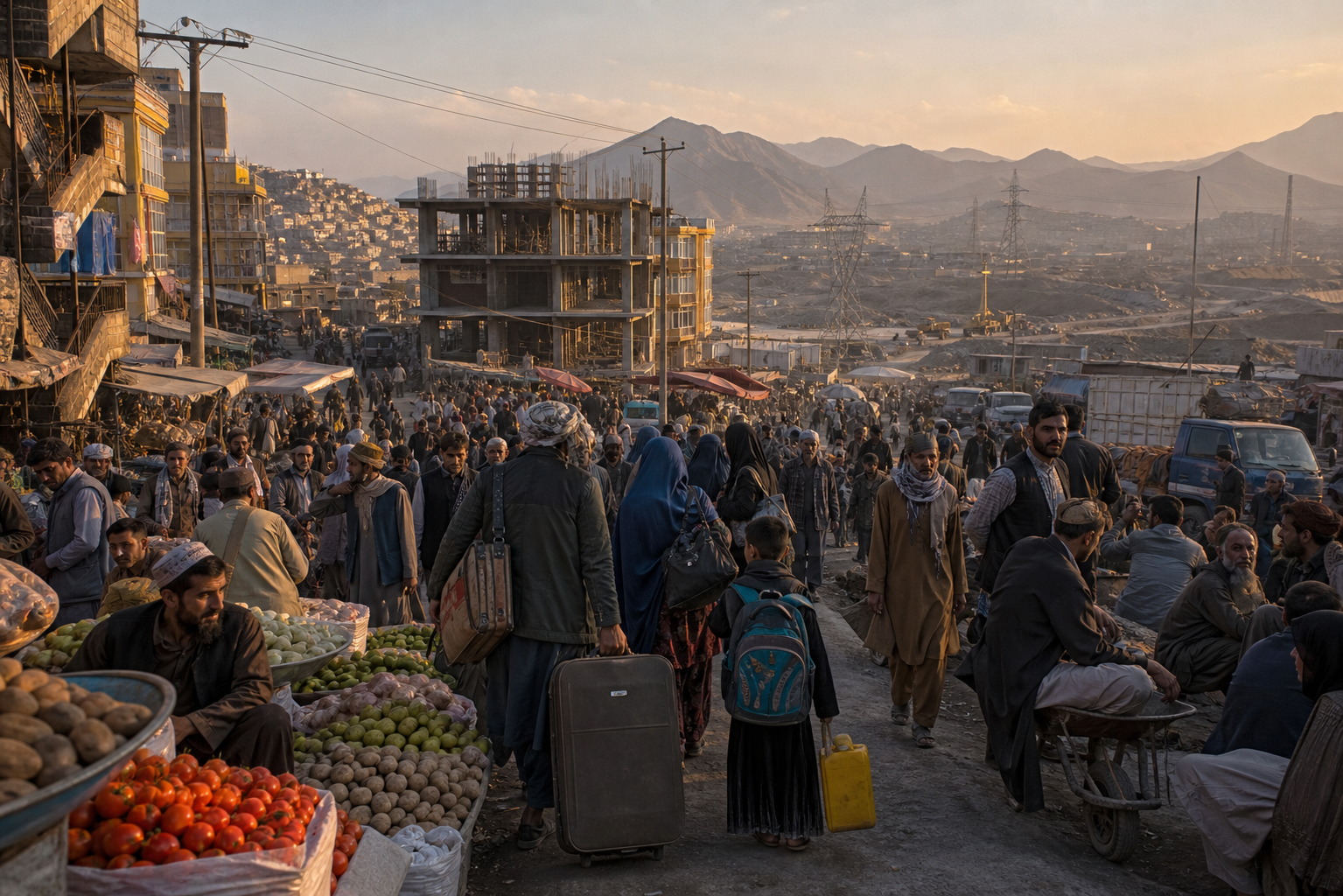
Businesses show resilience, while agriculture, mining, construction and services support economic activity. However, trade imbalances, limited finance, unreliable electricity and widespread informality remain obstacles. Growth is expected to moderate in 2026, making private investment, infrastructure and productive employment important to improving living standards.
Afghanistan’s economy is showing signs of continued recovery, but the improvement in overall economic activity has not yet translated into stronger living standards for many households. The World Bank estimated real GDP growth at 4.8 percent in 2025, while warning that rapid population growth and structural economic constraints are limiting the benefits of that expansion.

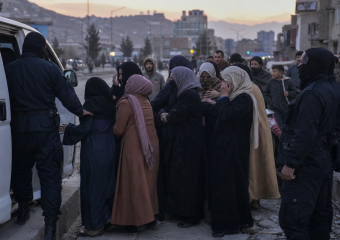
One of the biggest pressures comes from the return of millions of Afghans from neighboring countries. The World Bank estimated that around 3.7 million Afghans had returned by May 2026. The scale of these returns has increased demand for jobs, housing and public services at a time when the economy is expanding more slowly than the population. As a result, GDP per capita declined by an estimated 5.6 percent.

Inflation has added another challenge. According to the World Bank, inflation accelerated to 7.6 percent by March 2026, driven by food prices, supply constraints and stronger domestic demand. Higher prices can reduce household purchasing power even when headline economic growth remains positive, creating a gap between economic indicators and people’s daily financial experience.

Afghanistan’s external position also remains under pressure. Strong import demand combined with weak exports has widened the trade deficit, while declining foreign assistance has reduced the resources available for infrastructure and responses to economic shocks. Limited access to finance, unreliable electricity and widespread informality also remain important obstacles for private businesses.
The private sector nevertheless shows signs of resilience.
World Bank data indicate improvements in business sales, employment and investment since 2022, suggesting that Afghan businesses continue to adapt despite difficult operating conditions. Agriculture, mining, construction and services remain important sources of economic activity, while stronger domestic revenue collection has provided some additional fiscal capacity.
The outlook therefore presents a mixed picture. Afghanistan is no longer experiencing the severe economic contraction seen immediately after 2021, but growth alone may not be enough to substantially improve living standards. The World Bank expects growth to moderate to around 4 percent in 2026 and says stronger private investment, better access to finance, infrastructure development and productive employment will be important for turning economic expansion into broader improvements in household incomes.