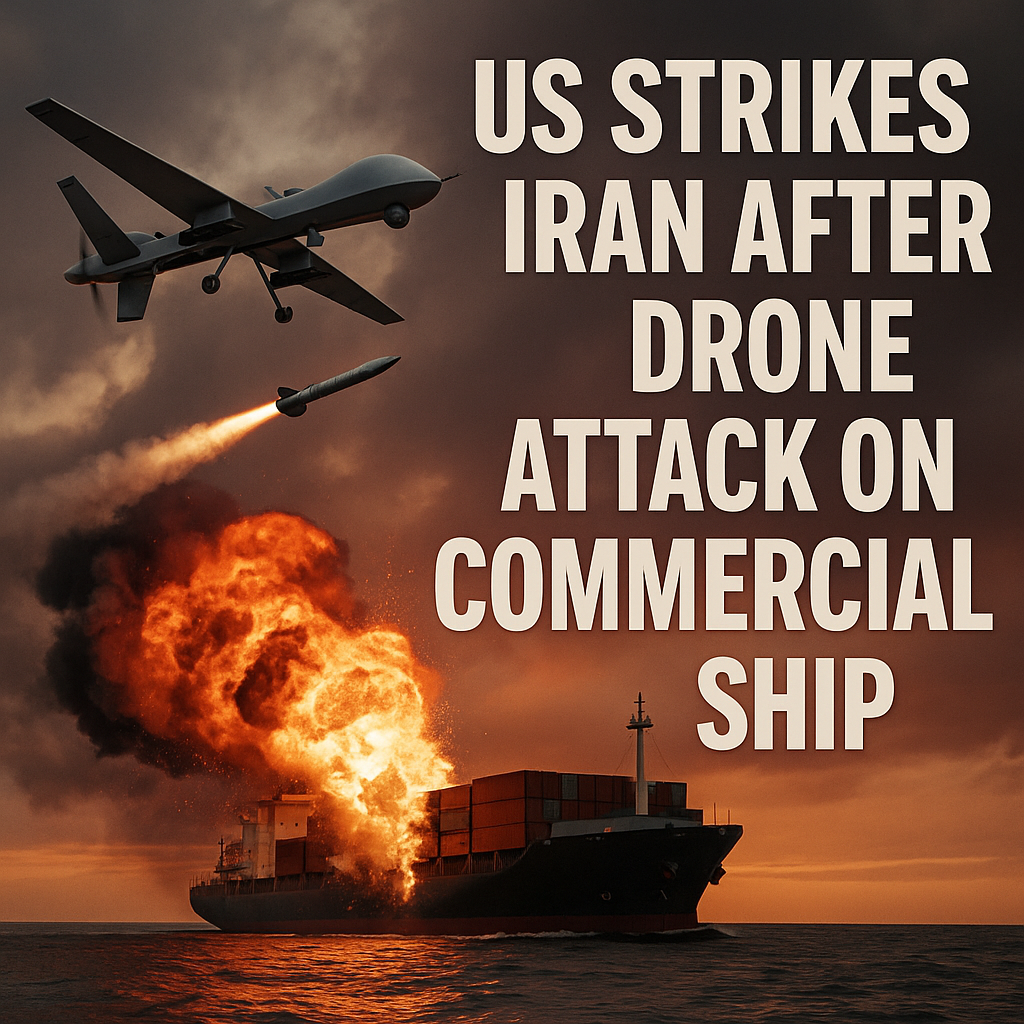
Tensions are rising as the US strikes back at Iran following a drone attack on a commercial ship, illustrating the precarious dance of military might and international diplomacy in the Middle East. Dive into the complexities of this incident and discover the varied perspectives on its implications for regional stability!
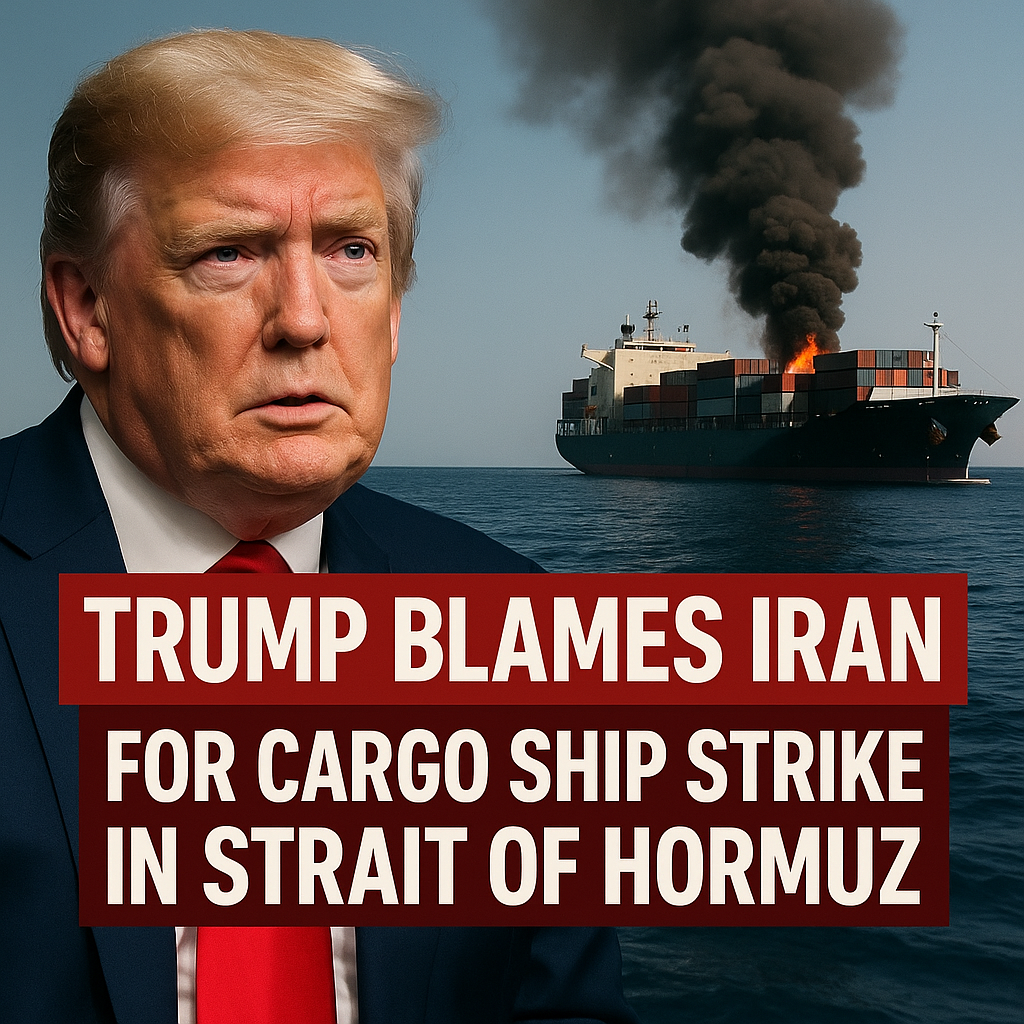
Tensions are on the rise in the crucial Strait of Hormuz as former President Trump points the finger at Iran for a recent cargo ship strike—an event that highlights the delicate balance of maritime security in an oil-supplying artery. With opinions split on the motives behind the accusations, the geopolitical drama unfolds!
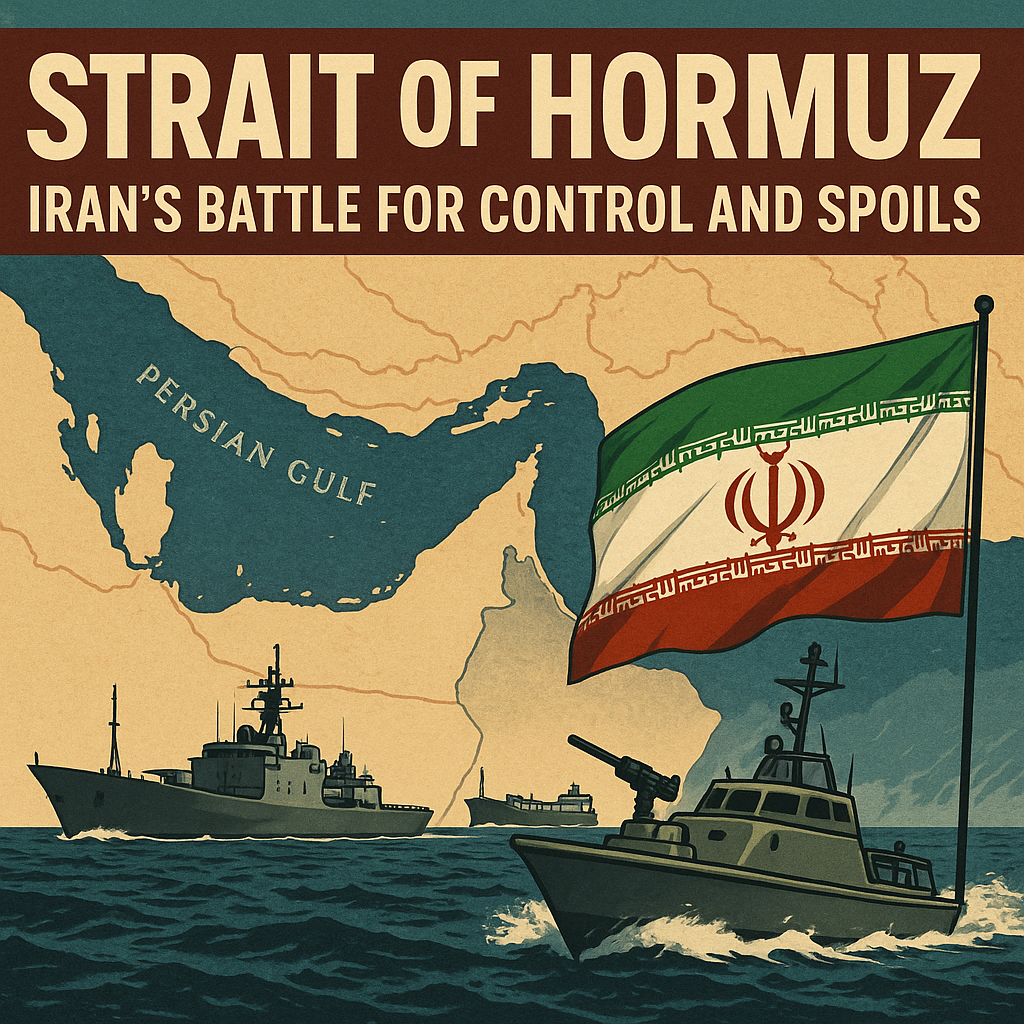
Dive into the heart of one of the worlds most critical maritime chokepoints—the Strait of Hormuz—where Irans quest for dominance could reshape global oil markets and geopolitical stability. With 20% of the world’s oil flowing through this narrow passage, any disruption here could send shockwaves across economies worldwide!
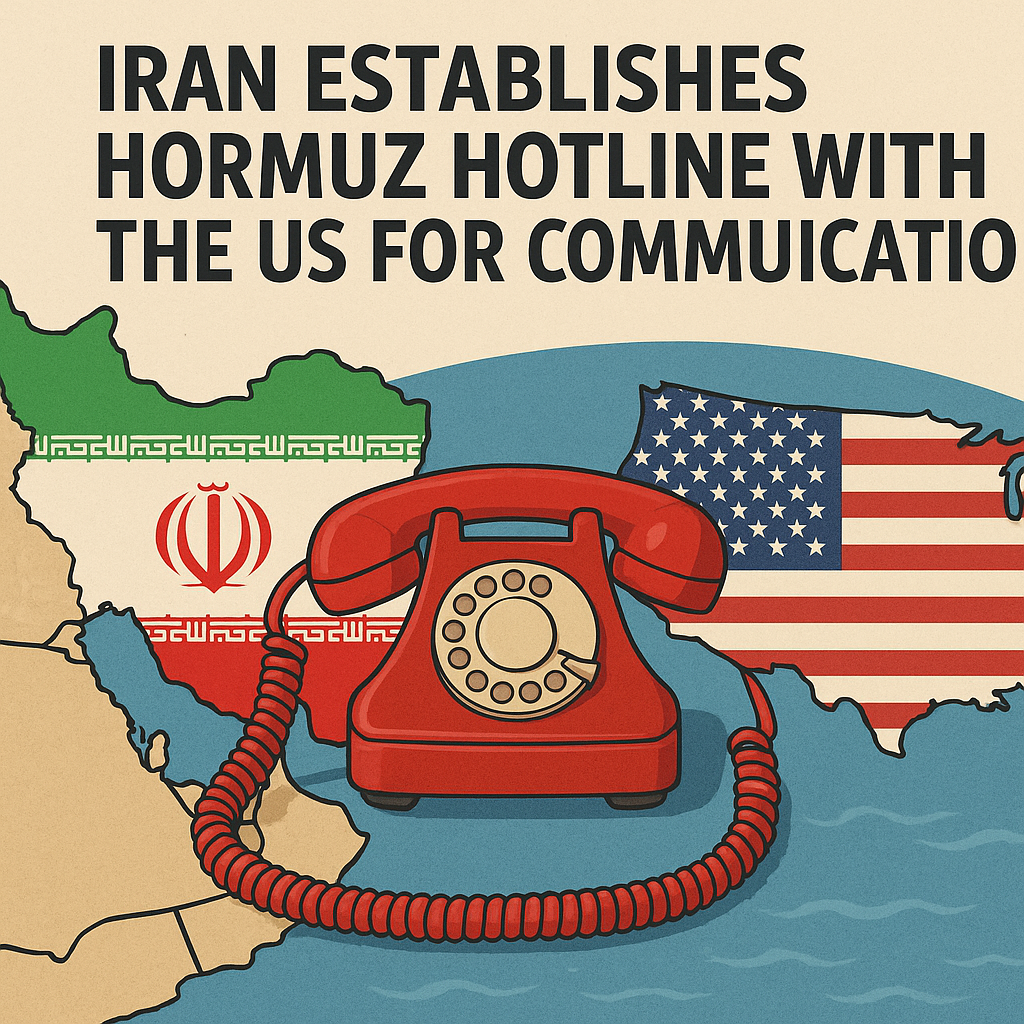
In a groundbreaking move, Iran has set up a direct hotline with the U.S. to navigate the crucial Strait of Hormuz, aiming to boost safety and cooperation in one of the worlds busiest shipping lanes. Will this communication bridge help reduce tensions, or is it just a temporary fix in a complex geopolitical landscape?
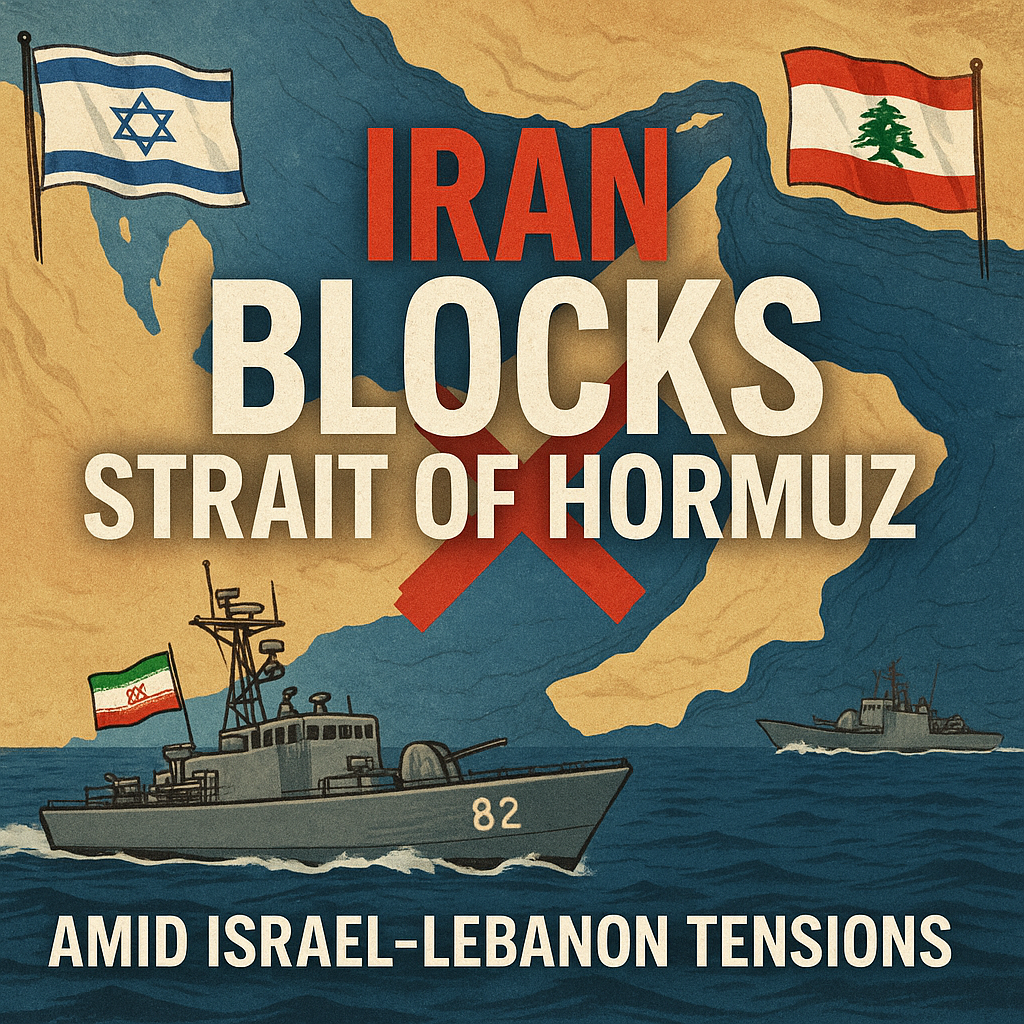
Amid rising tensions between Israel and Lebanon, Irans bold decision to block the Strait of Hormuz is sending shockwaves through the global oil market—this crucial waterway now stands at the heart of a high-stakes geopolitical showdown. What does this mean for energy security and international relations? Dive in to find out!
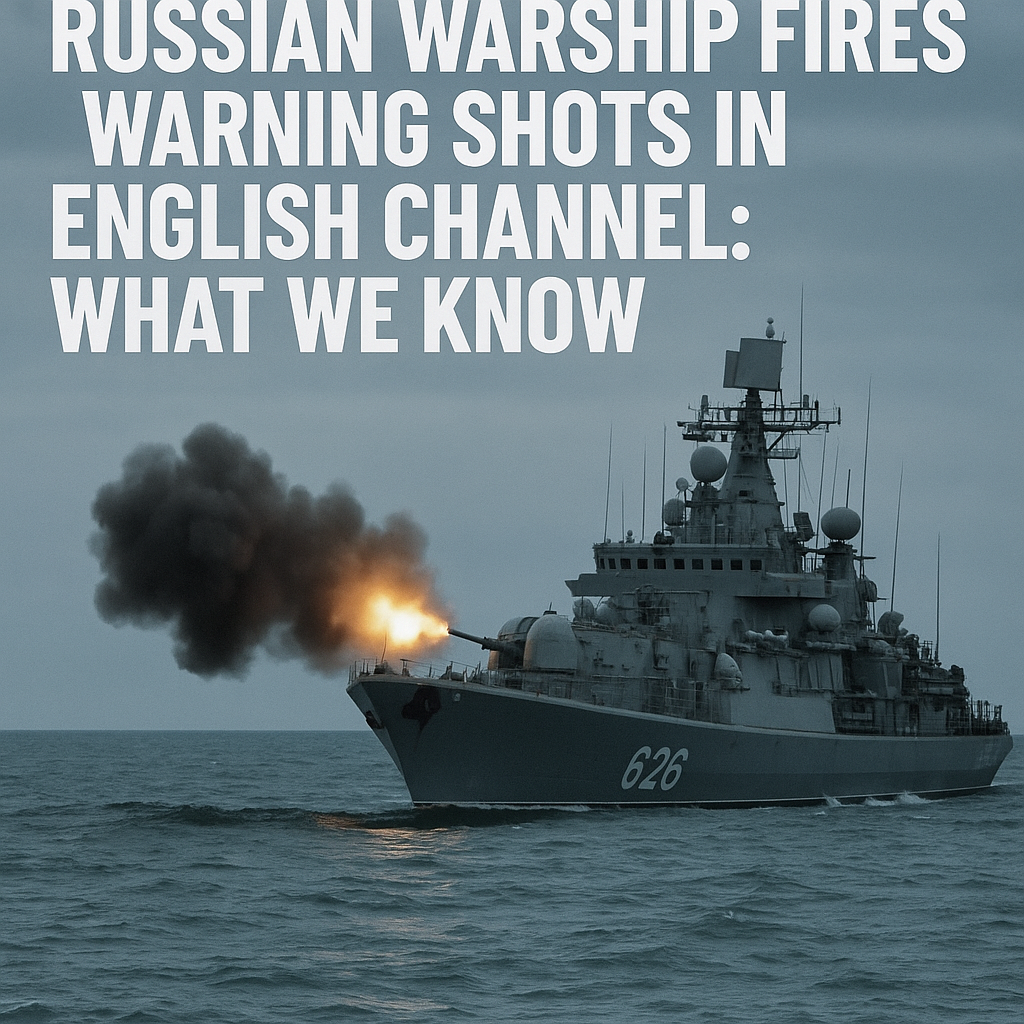
A recent standoff in the English Channel saw a Russian warship fire warning shots at a British merchant vessel, igniting vital discussions about maritime security and the fragile state of international relations. As tensions rise and naval operations grow bolder, what does this mean for the future of these crowded waters?
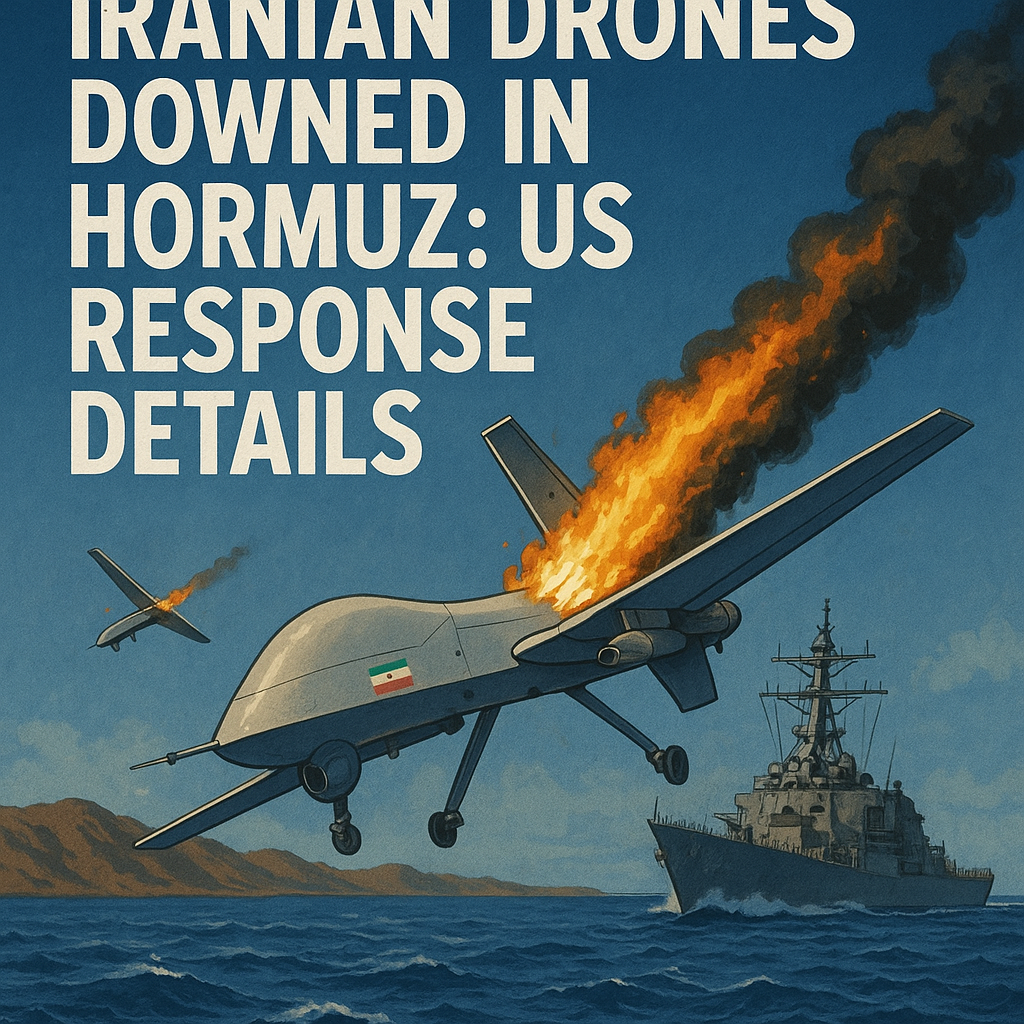
Tensions are rising in the Strait of Hormuz as Iranian drones are intercepted by U.S. Navy ships, igniting a complex geopolitical showdown! Discover the unfolding drama and the differing viewpoints on this vital maritime conflict that could reshape regional dynamics.
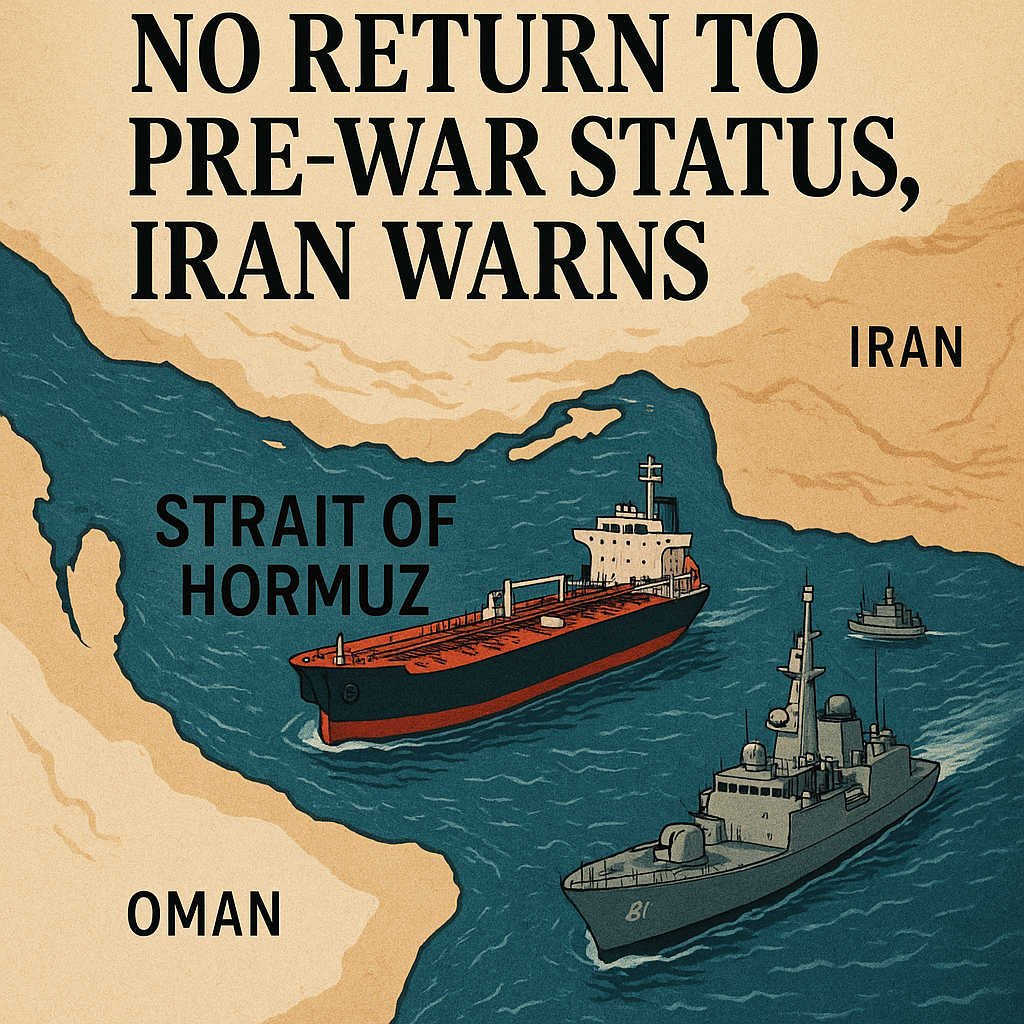
Iran is sending a strong message that the Strait of Hormuz won’t return to its calm pre-war days, highlighting the urgent need for regional cooperation in safeguarding this crucial corridor for global oil. With tensions rising, it’s clear that navigating these waters involves more than just military might—it calls for collaboration among neighboring nations.
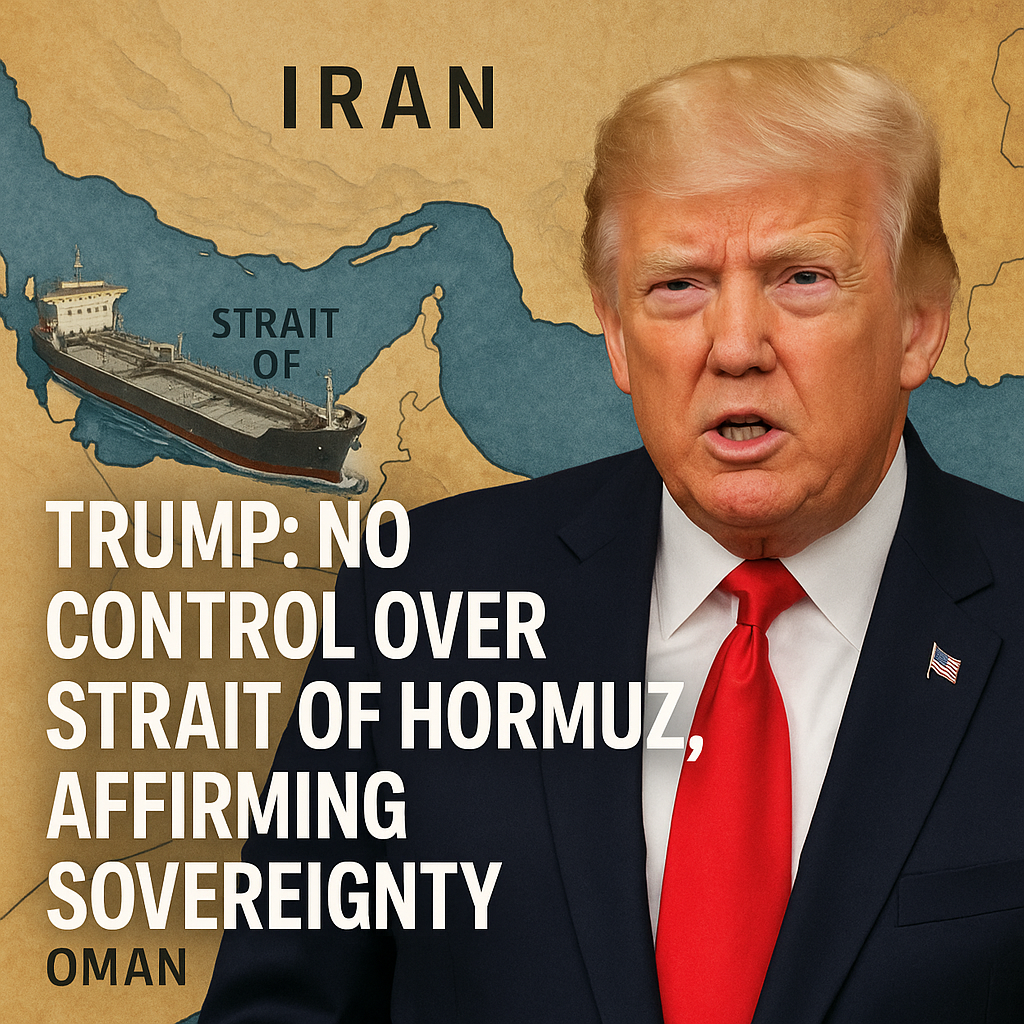
In his recent statement, Donald Trump boldly declared, No one will control the Strait of Hormuz, emphasizing Americas unwavering commitment to free maritime passage and stirring up crucial discussions on sovereignty and global stability. With this vital waterway responsible for about 20% of the world’s oil supply, Trumps remarks come at a time of heightened geopolitical tensions that could reshape our understanding of international relations.
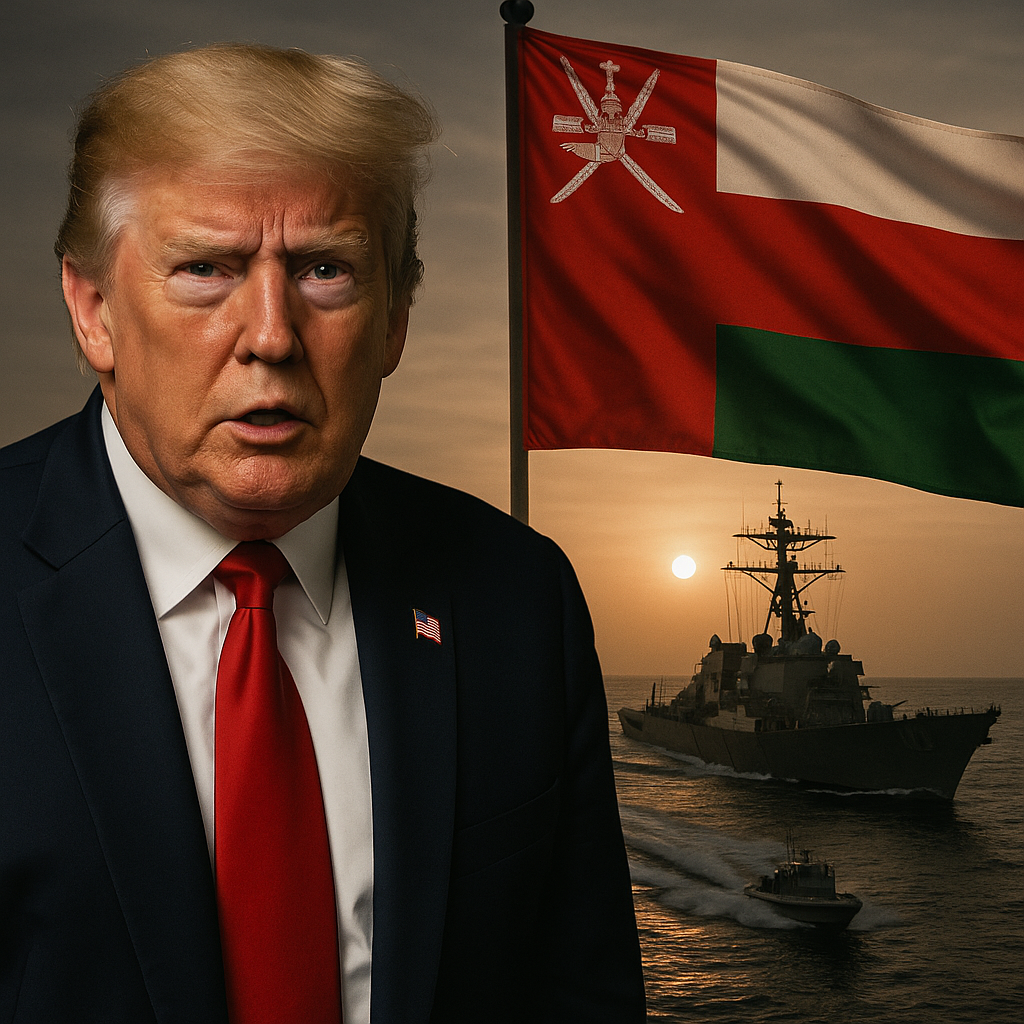
Tensions are heating up in the Strait of Hormuz as former President Trump hints at military action against Oman, sparking debate on the potential ripple effects for global oil supply and regional stability. Could this bold rhetoric be a game-changer, or is it a risk that may ignite an already volatile situation?