Veteran Politician Slams Merz’s Russia Policy (VIDEO)

Veteran Politician Critiques Merz’s Russia Policy
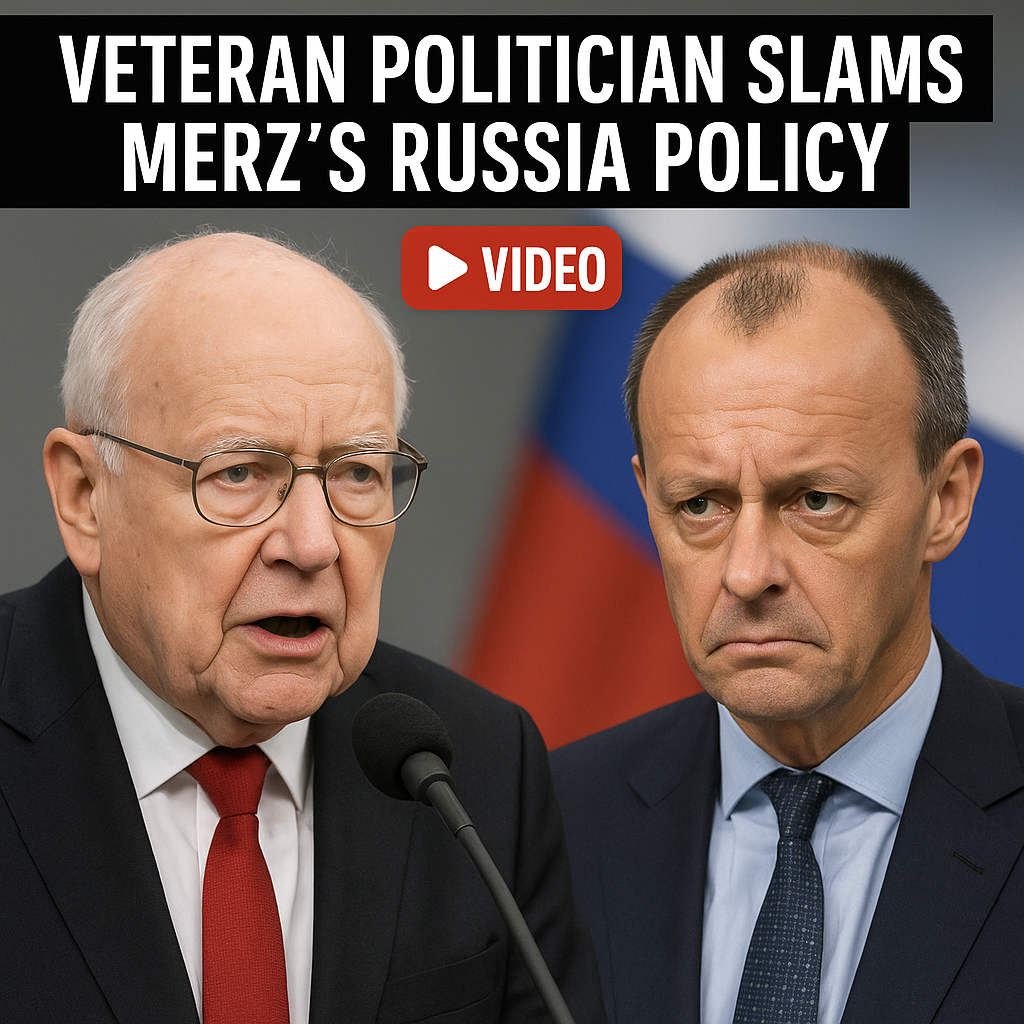
In a recent public address, veteran German politician Sahra Wagenknecht has vehemently criticized the Russia policy championed by Friedrich Merz, the leader of the Christian Democratic Union (CDU). Wagenknecht’s commentary reflects a growing divide among German political factions regarding the approach to Russia amidst the ongoing conflict in Ukraine.

Divergent Perspectives on Russian Relations
Wagenknecht’s critique centers on what she perceives as Merz’s aggressive stance that prioritizes confrontation over diplomacy. She suggests that such a position not only undermines Germany’s historical role as a mediator but also risks escalating tensions unnecessarily. In her speech, she stated, “It is essential to engage in dialogue instead of fanning the flames of conflict.” This perspective resonates with those advocating for a more conciliatory approach towards Russia, arguing that dialogue could pave the way for de-escalation.


Conversely, Merz and his supporters argue that a robust stance against Russia is necessary to protect European security and uphold international law. In a recent interview, Merz highlighted the need for solidarity with Ukraine and the importance of not yielding to what he described as “aggression from Moscow.” This view is particularly prevalent among politicians who see Russia’s actions as threatening to the European security architecture established post-World War II.


The Implications of NATO and EU Policies
The differing opinions on Merz’s policy also relate to broader NATO and EU strategies. Allies within the EU have largely supported sanctions against Russia and military aid to Ukraine, reflecting a common front against perceived authoritarianism. However, critics, including Wagenknecht, argue that this strategy may exacerbate tensions instead of fostering a peaceful resolution.
Some analysts suggest that Merz’s alignment with NATO’s assertive posture could alienate Germany from potential diplomatic opportunities. A faction of the political spectrum believes that continuing to escalate military involvement limits Germany’s ability to mediate effectively in the conflict. Wagenknecht emphasizes that “We need to prioritize peace negotiations over military buildup,” suggesting that a pivot towards diplomacy could provide a viable avenue for conflict resolution.
Economic Considerations and Public Sentiment
Wagenknecht’s argument is further bolstered by economic factors—particularly the repercussions of sanctions on energy supplies. Many German citizens are feeling the pinch as energy prices soar, leading to a growing sentiment that a resolution with Russia could mitigate these economic challenges. Public discontent has been palpable, with demonstrations advocating for dialogue instead of continued military engagement.
Supporters of Merz, on the other hand, argue that energy independence from Russia is a necessary long-term goal. They contend that immediate economic hardships are a small price to pay for what they depict as necessary protective measures against a formidable adversary. This argument has found traction within segments of the population that view Russia as a threat to not only Germany but to the stability of Europe at large.
Navigating the Political Minefield
As the political push and pull continues, it remains essential to recognize that there are no simple solutions. Merz’s firm stance on Russia aligns with a broader geopolitical strategy, yet it risks entering a quagmire that leaves little room for nuanced negotiation. Wagenknecht, representing a segment of the electorate that seeks a more cautious approach based on diplomacy, provides a compelling counter-narrative.
The truth may lie in a balanced policy that recognizes the need for security while also engaging in diplomatic efforts. Politicians like Wagenknecht remind us that negotiating for peace does not equate to capitulation; instead, it reflects a pragmatic approach to some of the most pressing challenges facing Europe today.
In conclusion, the ongoing debate around Merz’s Russia policy highlights the complexities of modern geopolitics in an era marked by conflict. With both sides presenting compelling arguments, the road ahead for German foreign policy remains anything but clear. As citizens and leaders alike weigh the implications of their choices, the ultimate goal must be peace and stability, which can only be achieved through careful consideration and dialogue.