Israel Conducts Air Strike on Beirut, Breaking November Truce
Israel Conducts Air Strike on Beirut, Breaking November Truce
Background of the Conflict
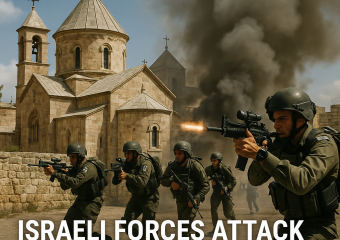
The longstanding tension between Israel and Lebanon has once again escalated, as Israel launched an air strike on Beirut, marking a significant breach of the truce established in November. This development has raised concerns about the stability of the region and the potential for further conflict.

Details of the Air Strike
- Target: The air strike targeted specific locations in Beirut, believed to be linked to militant activities.
- Casualties: Initial reports indicate casualties, though the exact number remains unconfirmed.
- Response: The Lebanese government has condemned the attack, calling for international intervention.
Reactions and Implications
The air strike has drawn varied reactions from the international community, with calls for restraint and dialogue to prevent further escalation. The breach of the truce has significant implications for regional peace efforts and the humanitarian situation in Lebanon.

- International Response: Global leaders have urged both nations to return to negotiations.
- Regional Impact: The strike threatens to destabilize the already fragile peace in the Middle East.
- Humanitarian Concerns: Increased violence could exacerbate the humanitarian crisis in Lebanon.
Conclusion
The Israeli air strike on Beirut represents a critical juncture in the Israel-Lebanon conflict, breaking the November truce and heightening regional tensions. The international community’s response and subsequent actions by both nations will be pivotal in determining the future trajectory of peace efforts in the region.