
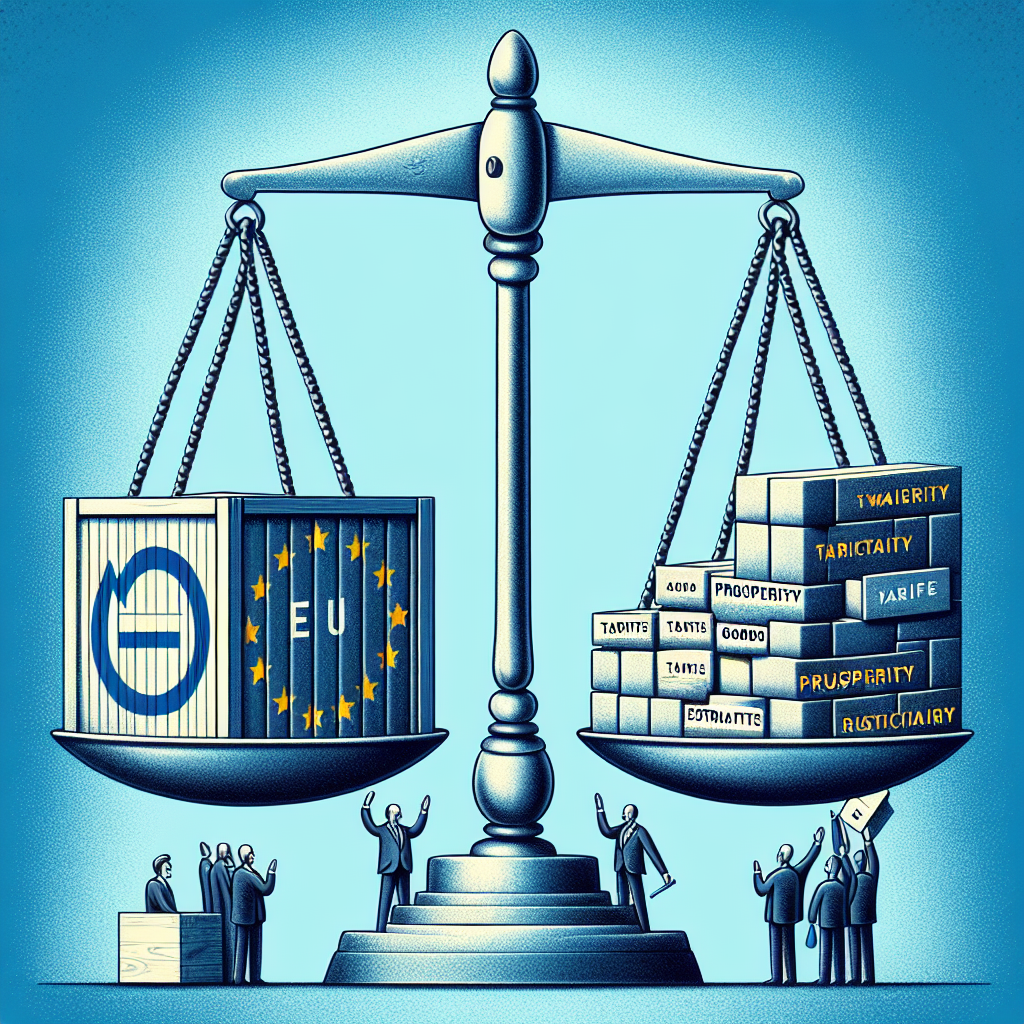
Navigating Trade Tensions: Can the EU Counter Trump’s Tariffs?
Navigating Trade Tensions: Can the EU Counter Trump’s Tariffs?
Introduction
The escalating trade tensions between the United States and the European Union (EU) have reached a critical juncture. With the imposition of tariffs by the Trump administration, the EU faces significant challenges in safeguarding its economic interests. This summary explores the EU’s strategies to counter these tariffs and the potential implications for global trade.

Understanding the Tariffs
The Trump administration has implemented tariffs targeting various EU exports, aiming to address trade imbalances and protect American industries. Key sectors affected include:

- Automobiles
- Steel and aluminum
- Agricultural products
EU’s Strategic Response
In response to the tariffs, the EU is exploring several strategies to mitigate their impact and maintain a balanced trade relationship with the U.S. These strategies include:

- Negotiations: Engaging in diplomatic talks to seek exemptions or reductions in tariffs.
- Retaliatory Measures: Implementing counter-tariffs on U.S. goods to exert pressure.
- Strengthening Alliances: Collaborating with other global partners to form a united front against protectionist policies.
- Legal Action: Pursuing cases through the World Trade Organization (WTO) to challenge the legality of the tariffs.
Potential Implications
The ongoing trade tensions could have far-reaching consequences for both the EU and the global economy, including:
- Economic Impact: Increased costs for consumers and businesses, potentially leading to slower economic growth.
- Supply Chain Disruptions: Tariffs may disrupt established supply chains, affecting production and distribution.
- Geopolitical Shifts: The tensions could realign global trade partnerships and influence geopolitical dynamics.
Conclusion
The EU’s ability to effectively counter Trump’s tariffs will be crucial in maintaining its economic stability and influence in global trade. By employing a combination of diplomatic, legal, and strategic measures, the EU aims to navigate these trade tensions while minimizing adverse impacts. The outcome of this trade dispute will likely shape the future of international trade relations.












