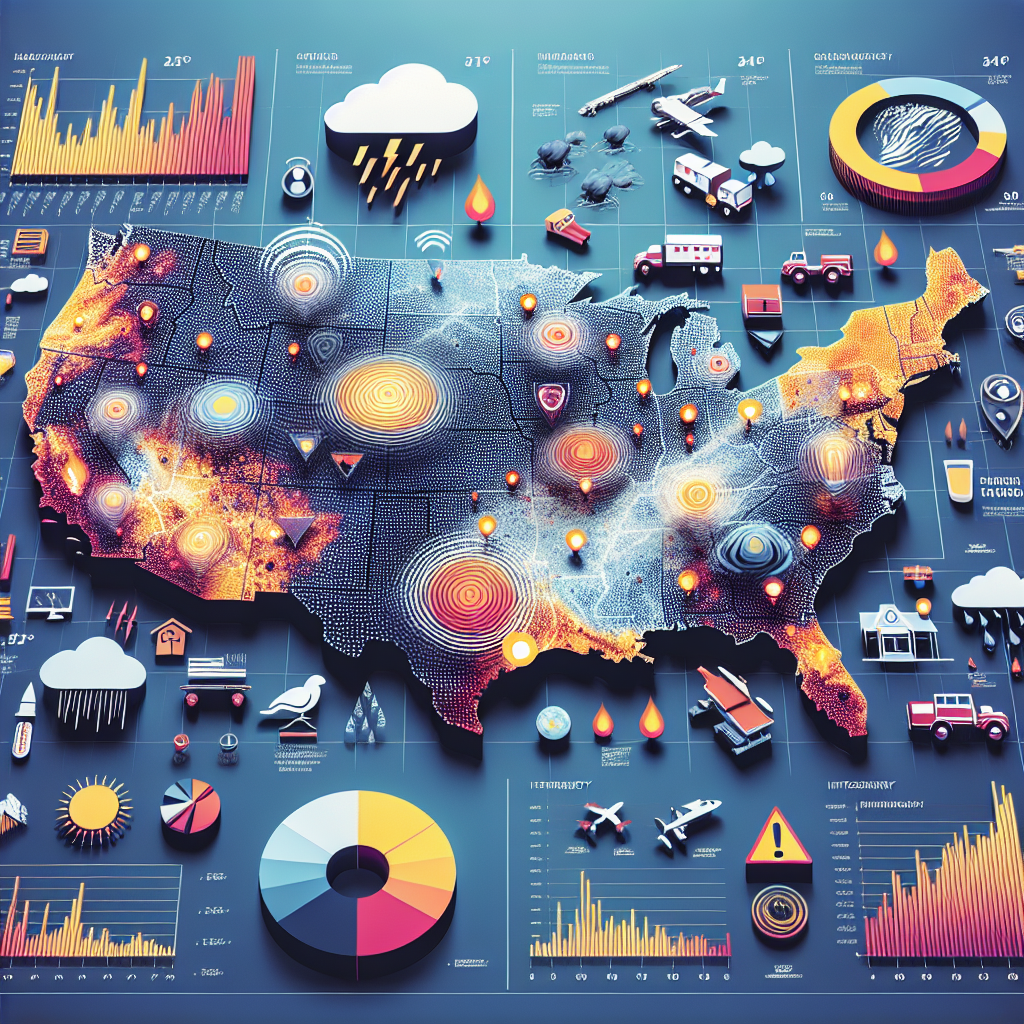
Understanding the Impact of Severe Storms and Flash Flooding in the US

Understanding the Impact of Severe Storms and Flash Flooding in the US
The Growing Frequency of Severe Weather Events
In recent years, the United States has witnessed an alarming increase in the frequency and intensity of severe storms and flash flooding. These weather phenomena are not only becoming more common but are also causing unprecedented damage to infrastructure and communities.

Key Factors Contributing to Severe Storms
- Climate Change: Rising global temperatures are leading to more intense and frequent storms.
- Urbanization: Increased urban development reduces natural drainage, exacerbating flooding risks.
- Deforestation: Loss of trees and vegetation diminishes the land’s ability to absorb rainfall.
Impact on Communities and Infrastructure
The repercussions of severe storms and flash flooding are far-reaching, affecting various aspects of daily life and economic stability.


- Economic Losses: Damage to property and infrastructure results in billions of dollars in repair and recovery costs.
- Displacement: Thousands of residents are forced to evacuate, leading to temporary or permanent displacement.
- Public Health Risks: Floodwaters can lead to waterborne diseases and other health hazards.
Mitigation and Preparedness Strategies
Efforts to mitigate the impact of severe storms and flash flooding are crucial for safeguarding communities and minimizing damage.

- Improved Infrastructure: Investing in resilient infrastructure can help withstand severe weather events.
- Early Warning Systems: Enhanced forecasting and alert systems can provide timely warnings to residents.
- Community Education: Raising awareness about preparedness and response strategies is vital for community resilience.
Conclusion
Severe storms and flash flooding pose significant challenges to the United States, driven by factors such as climate change and urbanization. The impacts are profound, affecting the economy, public health, and community stability. However, through strategic mitigation efforts and improved preparedness, it is possible to reduce the risks and enhance resilience against these increasingly common natural disasters.