US Stocks Rally Following Trump’s 90-Day Tariff Suspension for Most Countries
US Stocks Rally Following Trump’s 90-Day Tariff Suspension
Market Surge Amid Tariff Relief
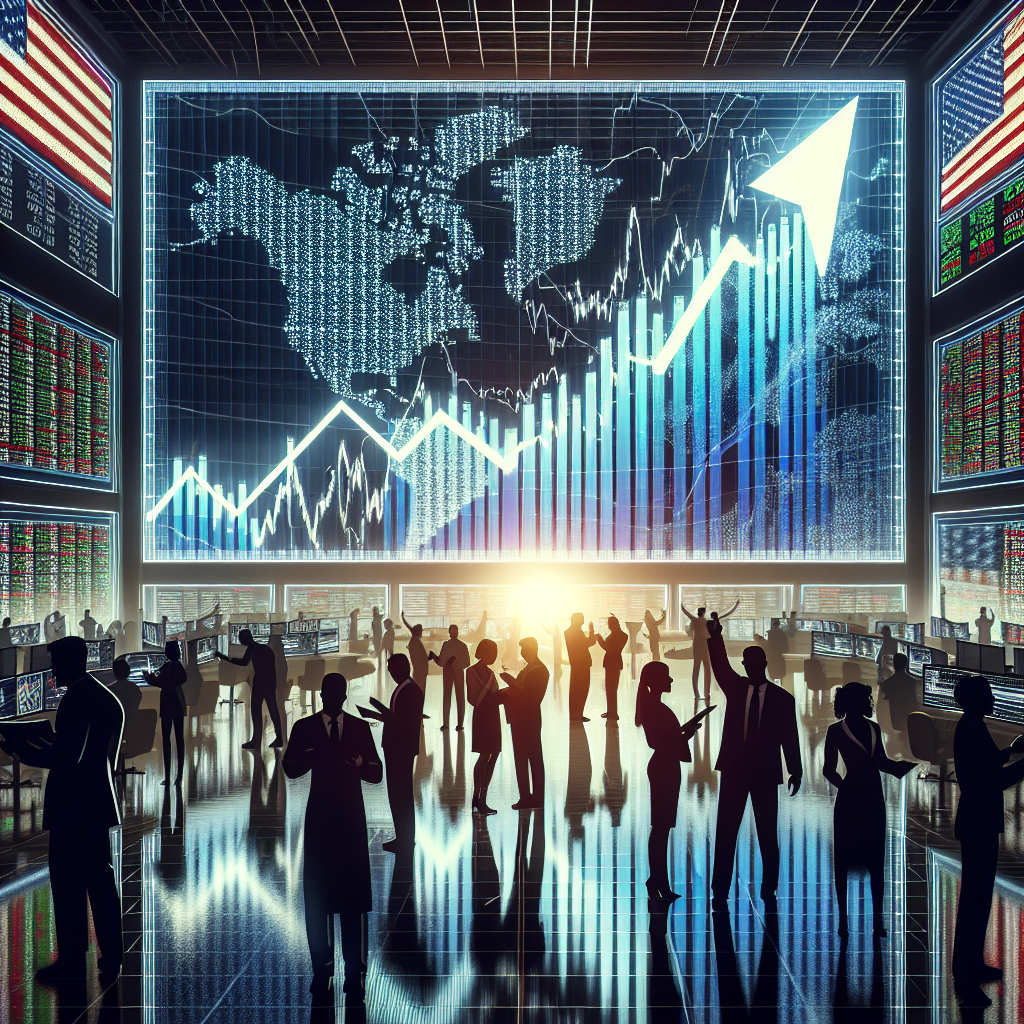
US stocks experienced a significant rally after President Trump announced a 90-day suspension of tariffs for most countries. This unexpected move has provided a temporary reprieve for businesses and investors, leading to a surge in market confidence.

Key Drivers of the Rally
- Investor Optimism: The suspension has alleviated immediate concerns over escalating trade tensions, boosting investor sentiment.
- Business Relief: Companies facing potential tariff impacts now have a window to adjust their strategies, reducing short-term financial pressures.
- Global Trade Stability: The decision is seen as a step towards stabilizing global trade relations, encouraging international market participation.
Sector Highlights
Several sectors have particularly benefited from the tariff suspension:

- Technology: Tech stocks led the rally, with major companies seeing significant gains due to reduced supply chain concerns.
- Manufacturing: Manufacturers, especially those reliant on imported materials, welcomed the suspension as it eases cost pressures.
- Consumer Goods: Retailers and consumer goods companies are optimistic about maintaining competitive pricing without the added tariff costs.
Market Analysts’ Perspectives
Analysts are cautiously optimistic about the long-term implications of the tariff suspension. While the 90-day period offers temporary relief, there is uncertainty about future trade policies. Experts suggest that businesses should use this time to strategize for potential changes once the suspension ends.

Conclusion
The 90-day tariff suspension announced by President Trump has sparked a notable rally in US stocks, driven by renewed investor confidence and temporary relief for businesses. Key sectors such as technology, manufacturing, and consumer goods have seen significant benefits. However, the long-term outlook remains uncertain, and companies are advised to prepare for potential future trade policy shifts.