Panama Declines US Military Base Presence
Panama Declines US Military Base Presence
Background
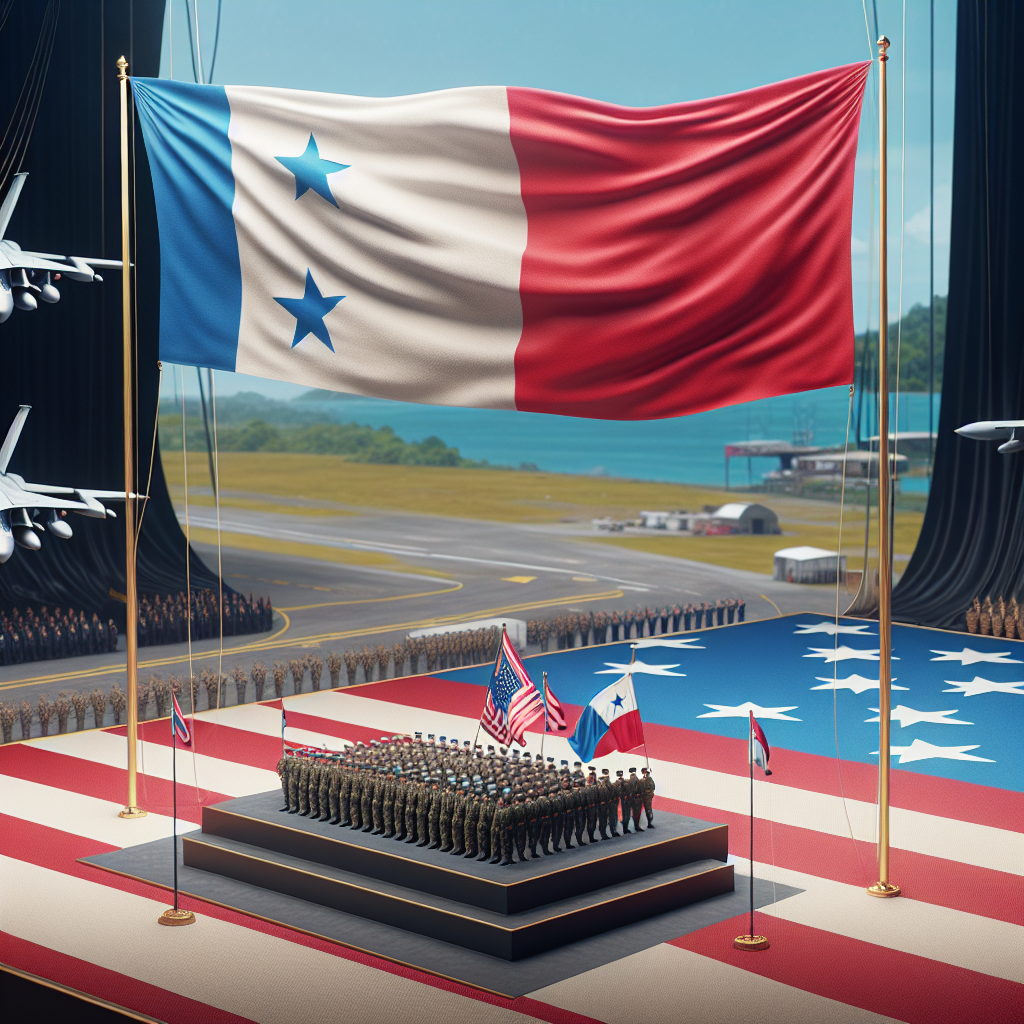
In a significant geopolitical development, Panama has decided against allowing the establishment of a US military base on its territory. This decision comes amidst growing regional tensions and reflects Panama’s strategic priorities and diplomatic stance.

Key Reasons for Panama’s Decision
- Sovereignty Concerns: Panama is keen on maintaining its sovereignty and independence in foreign policy decisions.
- Regional Stability: The government is focused on promoting regional stability and avoiding potential escalations that a foreign military presence might provoke.
- Economic Considerations: Panama is prioritizing economic partnerships and development over military alliances.
Implications for US-Panama Relations
This decision could have several implications for the bilateral relationship between the United States and Panama:

- Diplomatic Dynamics: The US may need to reassess its diplomatic approach and engagement strategies with Panama.
- Security Collaborations: While a physical base is off the table, both nations might explore alternative security collaborations.
- Economic Partnerships: The focus may shift towards strengthening economic ties and trade agreements.
Regional Reactions
Panama’s decision has elicited varied reactions from neighboring countries and regional powers:

- Support from Latin American Nations: Many countries in the region support Panama’s stance as it aligns with broader regional autonomy goals.
- Concerns from Allied Nations: Some allied nations express concern over potential security gaps in the region.
Conclusion
Panama’s decision to decline a US military base presence underscores its commitment to sovereignty and regional stability. This move may reshape US-Panama relations, emphasizing economic and diplomatic engagements over military alliances. As the region watches closely, Panama’s stance could influence broader geopolitical dynamics in Latin America.