Russian Progress in Ukraine Stalls Despite Increasing Troop Numbers
Russian Progress in Ukraine Stalls Despite Increasing Troop Numbers
Overview
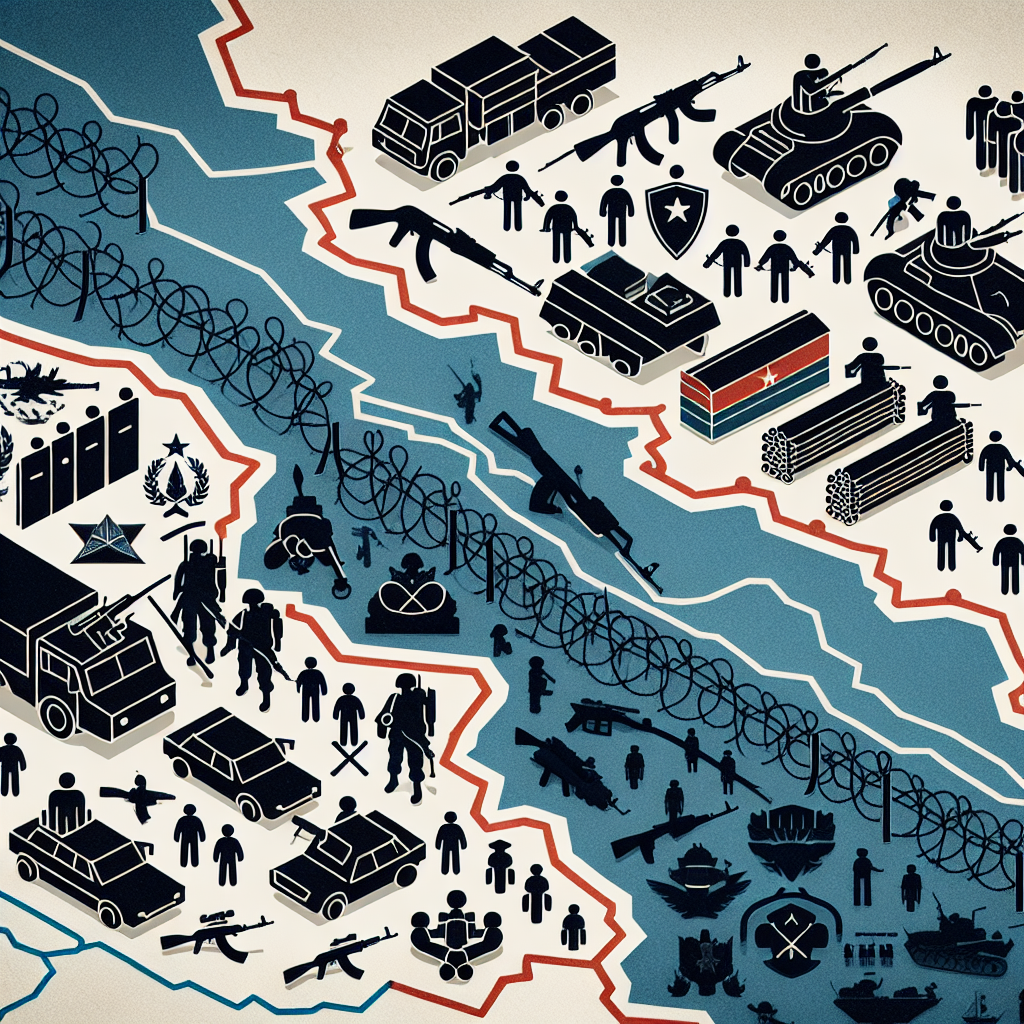
Despite a significant increase in troop numbers, Russia’s military progress in Ukraine has hit a standstill. This development comes amid ongoing geopolitical tensions and a complex battlefield landscape.

Key Factors Contributing to the Stalemate
- Logistical Challenges: Russia faces significant logistical hurdles, impacting the supply chain and troop mobility.
- Ukrainian Resistance: Ukrainian forces continue to mount a strong defense, leveraging local knowledge and international support.
- Terrain Difficulties: The challenging terrain in certain regions of Ukraine complicates military maneuvers and advances.
International Reactions
The international community remains watchful, with several countries expressing concern over the prolonged conflict and its humanitarian impact.

- Sanctions: Western nations have imposed economic sanctions on Russia, aiming to pressure a de-escalation.
- Diplomatic Efforts: Ongoing diplomatic efforts seek to mediate and find a peaceful resolution to the conflict.
Implications for the Future
The current stalemate suggests a protracted conflict, with potential implications for regional stability and global economic conditions.

- Humanitarian Impact: Continued fighting exacerbates the humanitarian crisis, with displaced populations and resource shortages.
- Economic Consequences: The conflict affects global markets, particularly in energy and agriculture sectors.
Conclusion
In summary, despite bolstering troop numbers, Russia’s military efforts in Ukraine have stalled due to logistical issues, strong Ukrainian resistance, and challenging terrain. The international community remains engaged, with sanctions and diplomatic efforts ongoing. The situation’s complexity suggests a prolonged conflict with significant humanitarian and economic repercussions.