
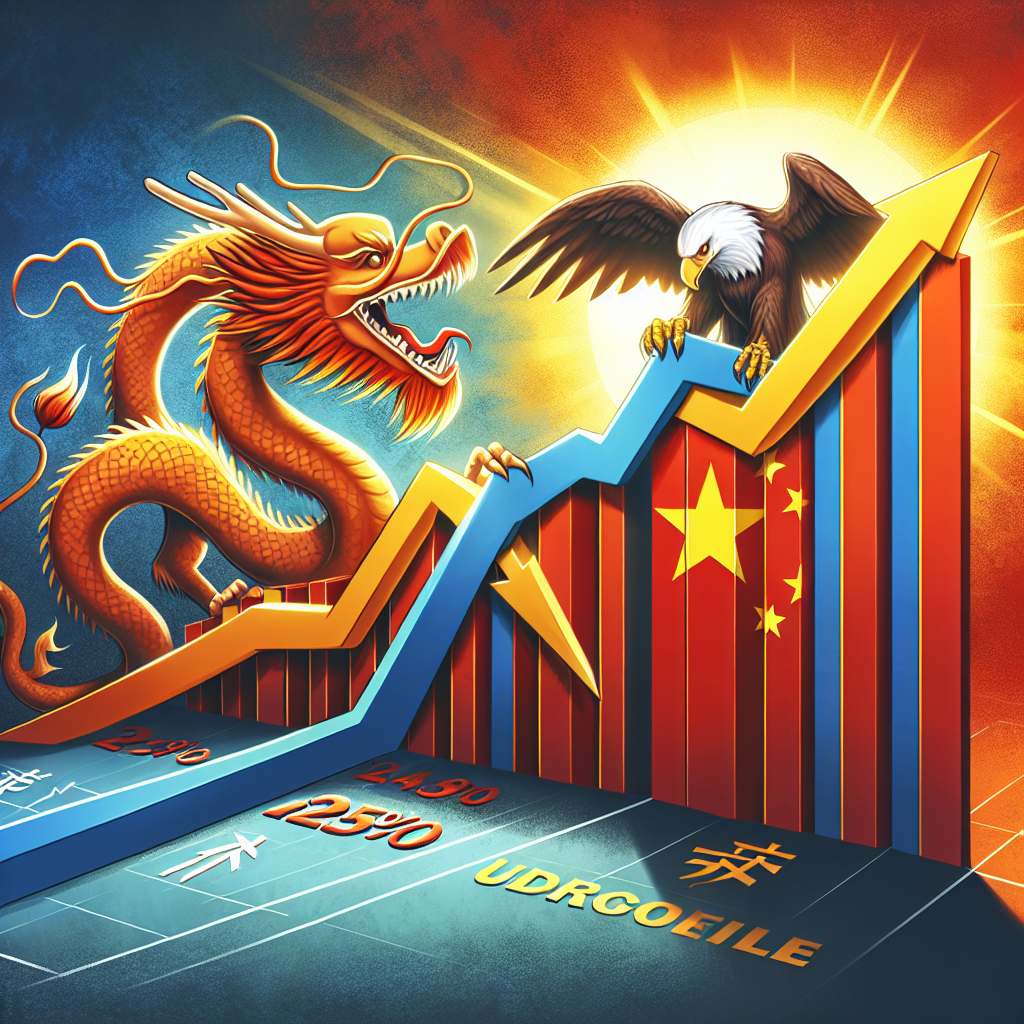
China Increases Tariffs on US Imports to 125%
China Increases Tariffs on US Imports to 125%
Overview of the Tariff Hike
In a significant escalation of trade tensions, China has announced a substantial increase in tariffs on a range of US imports, raising them to 125%. This move is seen as a direct response to ongoing trade disputes and aims to exert pressure on the US economy.

Key Products Affected
The tariff increase targets a variety of American goods, impacting several key industries. The following sectors are expected to be most affected:

- Agriculture: Soybeans, corn, and wheat face higher tariffs, potentially affecting US farmers significantly.
- Automobiles: US-made cars will see increased costs, likely reducing their competitiveness in the Chinese market.
- Technology: Electronics and tech components are also on the list, which could disrupt supply chains.
Implications for Global Trade
This tariff hike is likely to have far-reaching implications for global trade dynamics. Key considerations include:

- Potential for increased prices on consumer goods as companies adjust to higher import costs.
- Strain on US-China trade relations, with potential ripple effects on international markets.
- Encouragement for other countries to reassess their trade policies in response to the escalating tensions.
Responses and Reactions
The announcement has elicited varied reactions from different stakeholders:
- US government officials have expressed concern, indicating potential retaliatory measures.
- Business leaders are urging for diplomatic solutions to avoid further economic disruption.
- Market analysts are closely monitoring the situation, predicting volatility in stock markets.
Conclusion
The increase in tariffs by China to 125% on US imports marks a critical juncture in the ongoing trade conflict between the two economic giants. This development not only affects bilateral trade but also poses challenges to global economic stability. As both nations navigate this complex landscape, the international community watches closely, hoping for a resolution that minimizes economic fallout.












