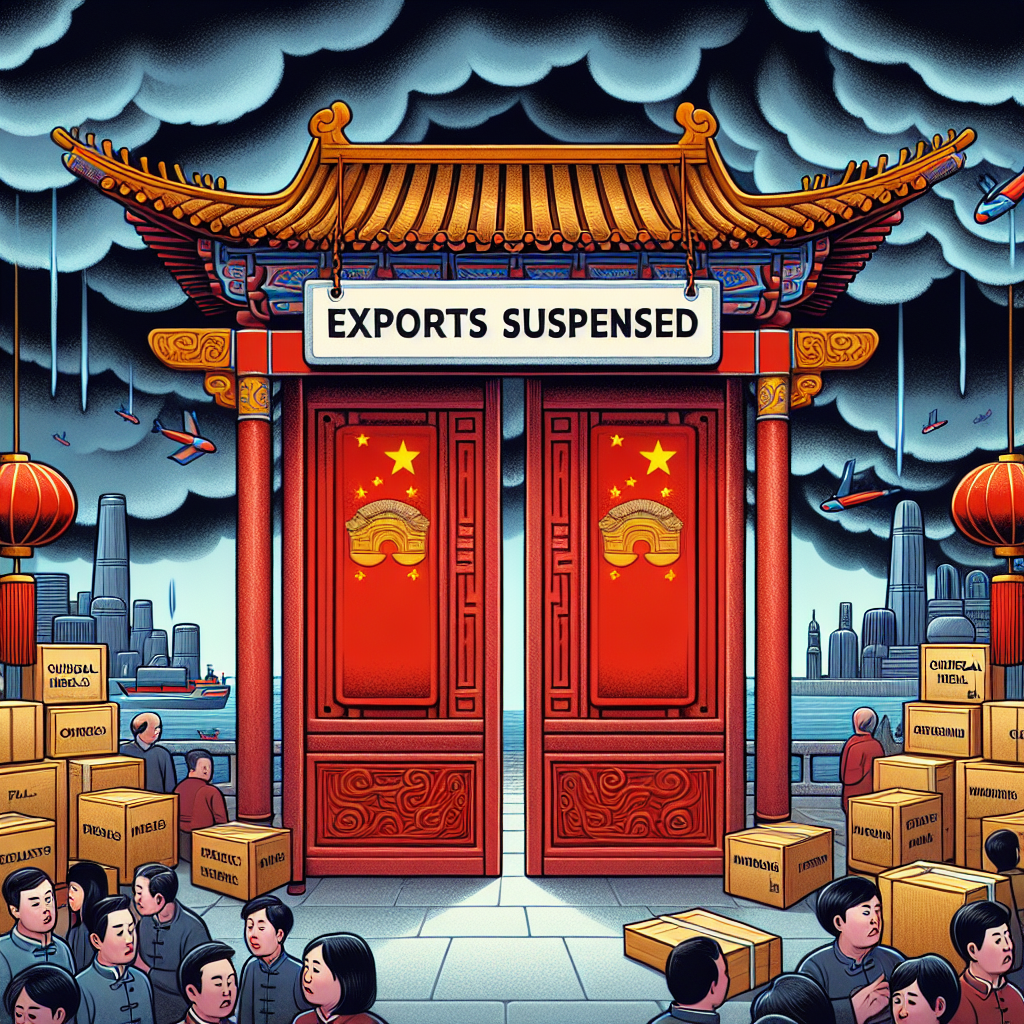
China Suspends Export of Crucial Metals and Magnets Amid Escalating US Trade War
China Suspends Export of Crucial Metals and Magnets Amid Escalating US Trade War
Introduction
In a significant move amid rising tensions in the ongoing trade war with the United States, China has announced the suspension of exports of key metals and magnets. This decision is poised to have substantial implications for global industries reliant on these materials.

Key Metals and Magnets Affected
The suspension targets several critical materials that are essential for various high-tech and industrial applications:

- Rare Earth Metals: These are vital for manufacturing electronics, renewable energy technologies, and military equipment.
- Magnets: High-performance magnets used in electric vehicles, wind turbines, and other advanced technologies.
Implications for Global Industries
The halt in exports is expected to disrupt supply chains and impact several sectors:

- Technology Sector: Companies may face shortages in components necessary for consumer electronics and advanced computing.
- Automotive Industry: Electric vehicle production could slow down due to limited access to essential materials.
- Renewable Energy: Wind turbine manufacturing might experience delays, affecting green energy initiatives.
Strategic Response from the United States
The United States is likely to respond with strategic measures to mitigate the impact of China’s export suspension:
- Exploration of Alternative Sources: Efforts to diversify supply chains and reduce dependency on Chinese materials.
- Investment in Domestic Production: Increased focus on boosting domestic production capabilities for rare earth metals and magnets.
- Diplomatic Negotiations: Potential diplomatic efforts to resolve trade tensions and restore material flow.
Conclusion
China’s decision to suspend the export of crucial metals and magnets marks a pivotal moment in the escalating trade war with the United States. This move underscores the strategic importance of these materials and highlights the vulnerabilities in global supply chains. As industries brace for potential disruptions, the focus will likely shift towards finding alternative solutions and fostering diplomatic dialogue to address the ongoing trade conflict.