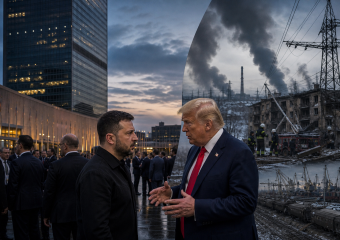
Europe Should Not Remain a ‘Permanent Security Dependent’ on the US – Vance
Europe’s Security Autonomy: A Call for Independence
Introduction
In a recent statement, Vance emphasized the need for Europe to reassess its security strategy, advocating for reduced reliance on the United States. This perspective highlights a growing sentiment within Europe to bolster its own defense capabilities and assume greater responsibility for its security.

Key Points
- Security Dependency: Europe has historically depended on the United States for military support and security guarantees, particularly through NATO.
- Strategic Autonomy: Vance argues that Europe should develop its own robust defense mechanisms to ensure long-term stability and security.
- Geopolitical Shifts: The changing global landscape, with emerging threats and shifting alliances, necessitates a reevaluation of Europe’s security posture.
- Economic Considerations: Investing in defense capabilities could also stimulate economic growth and technological innovation within Europe.
Implications for Europe
Vance’s call for a more self-reliant Europe suggests several potential implications:

- Increased Defense Spending: European nations may need to allocate more resources to defense budgets.
- Enhanced Collaboration: Greater cooperation among European countries could lead to more unified and effective defense strategies.
- Reduced US Influence: A shift towards autonomy might alter the dynamics of the transatlantic relationship.
Conclusion
Vance’s remarks underscore a pivotal moment for Europe as it contemplates its future security strategy. By pursuing greater independence, Europe could enhance its strategic autonomy, adapt to new global challenges, and potentially redefine its role on the world stage. This shift could lead to a more balanced and resilient security framework, reducing the continent’s reliance on external powers.