From Traditional Salons to Smart Beauty: How AI Is Changing the Future of Beauty Care
AI is changing beauty care through virtual makeup and hair-color tools, image-based skincare analysis, and salon features such as automated reminders, customer support, content creation, and preference management. These applications can personalize customer experiences and reduce repetitive administrative work.
Adoption requires attention to recommendation accuracy, data privacy, and transparency about image use. AI is presented as a support for professional expertise, combining technology with the creativity, experience, and personal attention of beauty specialists.
Artificial intelligence (AI) is transforming the beauty industry, changing how customers discover products, receive skincare recommendations, and experience salon services. From virtual makeup tools to smart hair-care technology, AI is helping beauty businesses offer more personalized experiences and improve customer service.

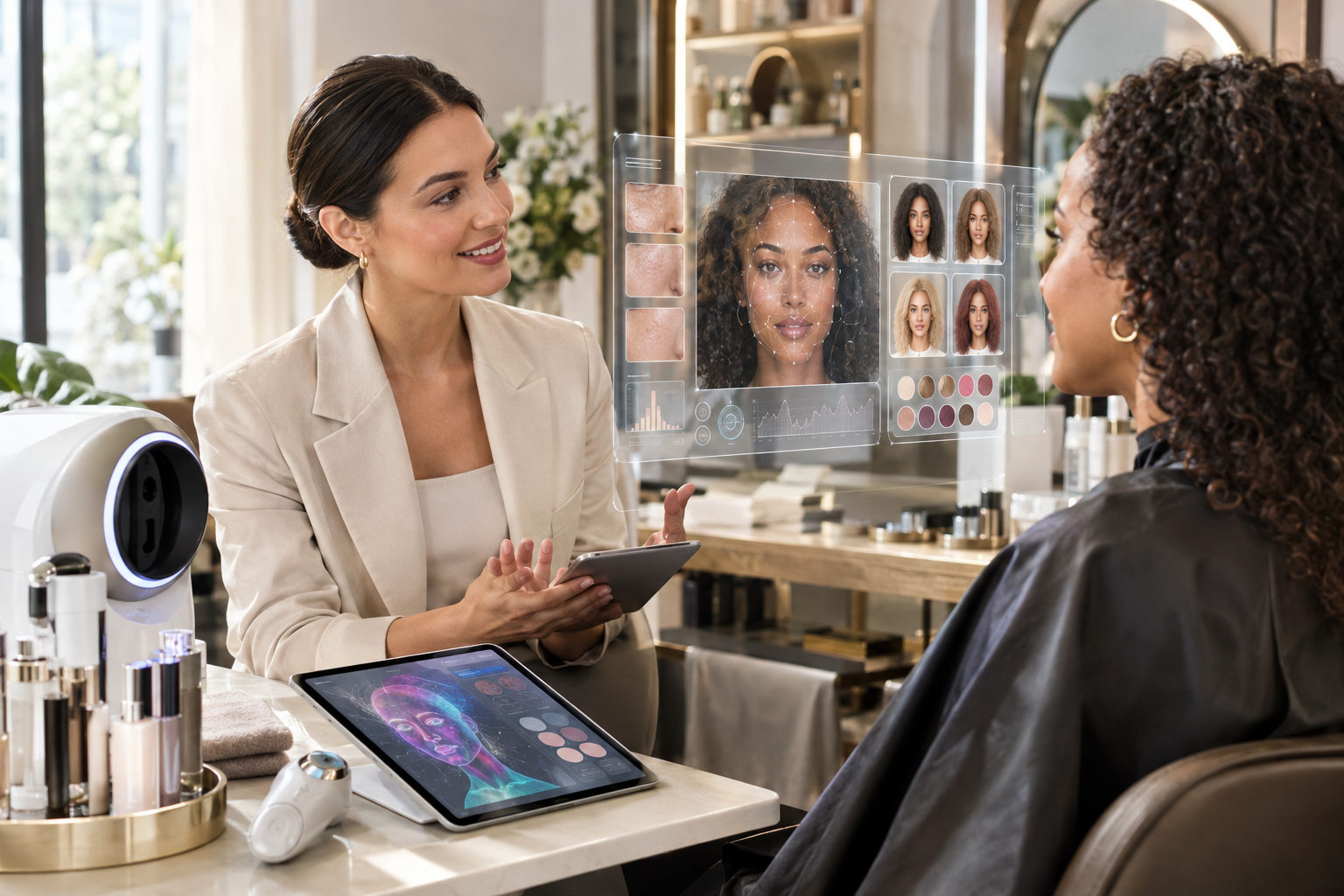
One important development is AI-powered skincare technology. Some digital tools analyze facial images to identify visible skin characteristics, such as uneven skin tone and blemishes. These observations can help users explore suitable skincare options, although results may vary and should not replace professional medical advice.

Virtual beauty technology is also becoming increasingly popular. For example, YouCam Makeup offers virtual makeup experiences that allow users to explore different looks digitally. ModiFace, part of L’Oréal’s beauty technology portfolio, supports virtual experiences for makeup and hair color. These technologies help customers preview styles before making beauty-related decisions.

AI is also creating new opportunities for beauty salons. Depending on the tools they use, salon owners can automate appointment reminders, respond to common customer questions, create promotional content, and organize customer preferences. These features may reduce repetitive tasks and allow beauty professionals to spend more time serving their clients.
However, adopting AI also brings challenges. Beauty businesses must consider the accuracy of digital recommendations, protect customers’ personal information, and explain how images and data are used. AI should support professional expertise rather than replace the experience, creativity, and personal attention that customers expect from beauty specialists.
The future of beauty will increasingly combine technology with human expertise. As AI tools continue to develop, salons and beauty brands may find new ways to personalize services, improve customer experiences, and manage daily operations. The goal is not simply to make beauty smarter, but to make beauty services more helpful, accessible, and customer-focused.