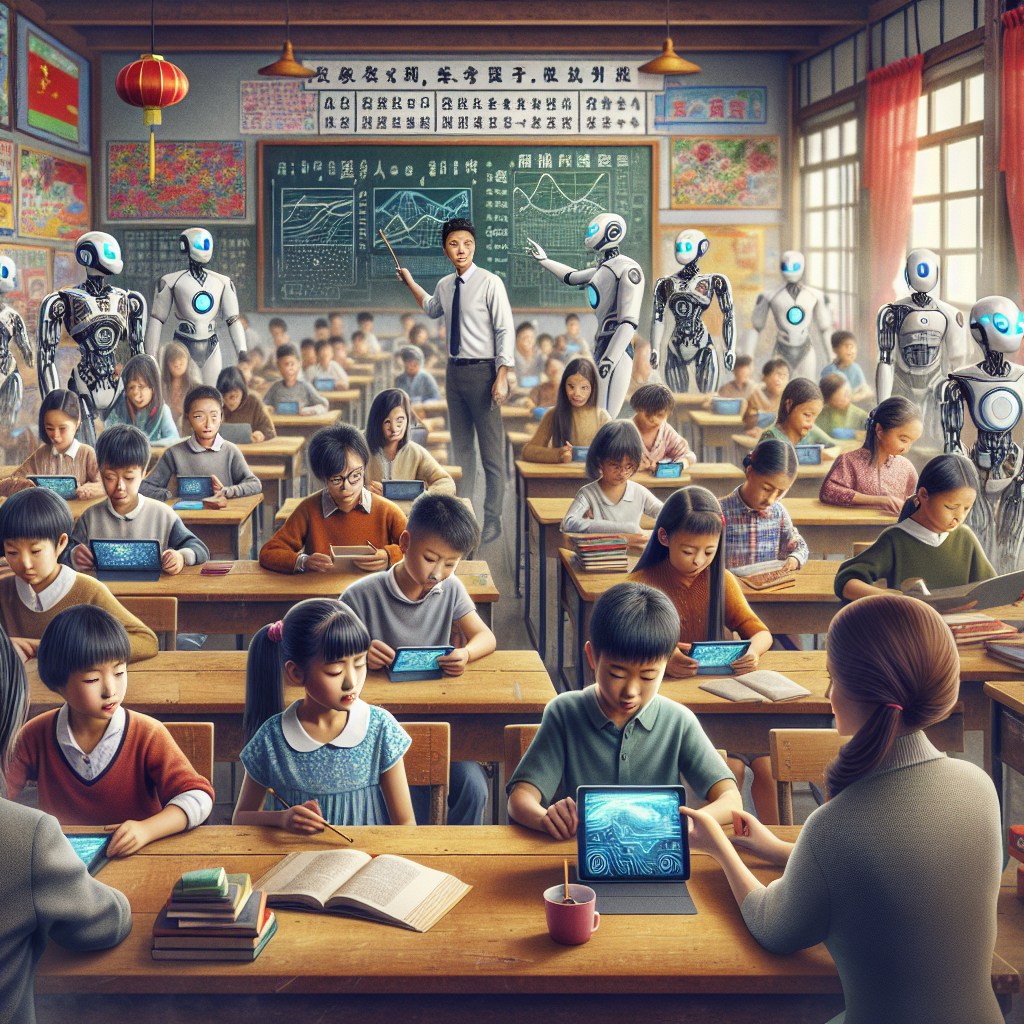
China Embarks on Education Reform with AI Integration
China Embarks on Education Reform with AI Integration
Introduction to the Reform
China is undertaking a significant transformation in its education sector by integrating artificial intelligence (AI) technologies. This initiative aims to modernize educational practices, enhance learning experiences, and prepare students for a tech-driven future.

Key Objectives of the Reform
- Enhancing Learning Efficiency: AI tools are being introduced to personalize learning experiences, catering to individual student needs and learning paces.
- Teacher Support: AI is set to assist educators by automating administrative tasks, allowing them to focus more on teaching and student interaction.
- Data-Driven Insights: The reform emphasizes the use of AI to analyze educational data, providing insights into student performance and curriculum effectiveness.
Technological Implementations
The integration involves deploying various AI technologies across educational institutions, including:

- Intelligent Tutoring Systems: These systems offer personalized tutoring and feedback to students, adapting to their learning styles.
- Automated Grading: AI-driven grading systems aim to reduce the workload on teachers and provide quicker feedback to students.
- Virtual Classrooms: AI-powered platforms facilitate remote learning, ensuring accessibility and continuity in education.
Challenges and Considerations
While the reform presents numerous benefits, it also poses challenges that need addressing:

- Data Privacy: Ensuring the protection of student data in AI systems is a critical concern.
- Equity in Access: Bridging the digital divide to ensure all students have equal access to AI resources is essential.
- Teacher Training: Educators require training to effectively integrate and utilize AI tools in their teaching practices.
Conclusion
China’s education reform with AI integration marks a pivotal step towards a more efficient and personalized learning environment. By leveraging AI technologies, the country aims to enhance educational outcomes and equip students with the skills needed for the future. However, addressing challenges such as data privacy and equitable access remains crucial for the successful implementation of this ambitious initiative.