German Anti-Russia Sentiment Echoes Historical Extremes
German Anti-Russia Sentiment Echoes Historical Extremes
Introduction
Recent developments in Germany have seen a resurgence of anti-Russia sentiment, reminiscent of historical periods marked by extreme views. This shift is influenced by geopolitical tensions and historical narratives, leading to a complex socio-political landscape.

Historical Context
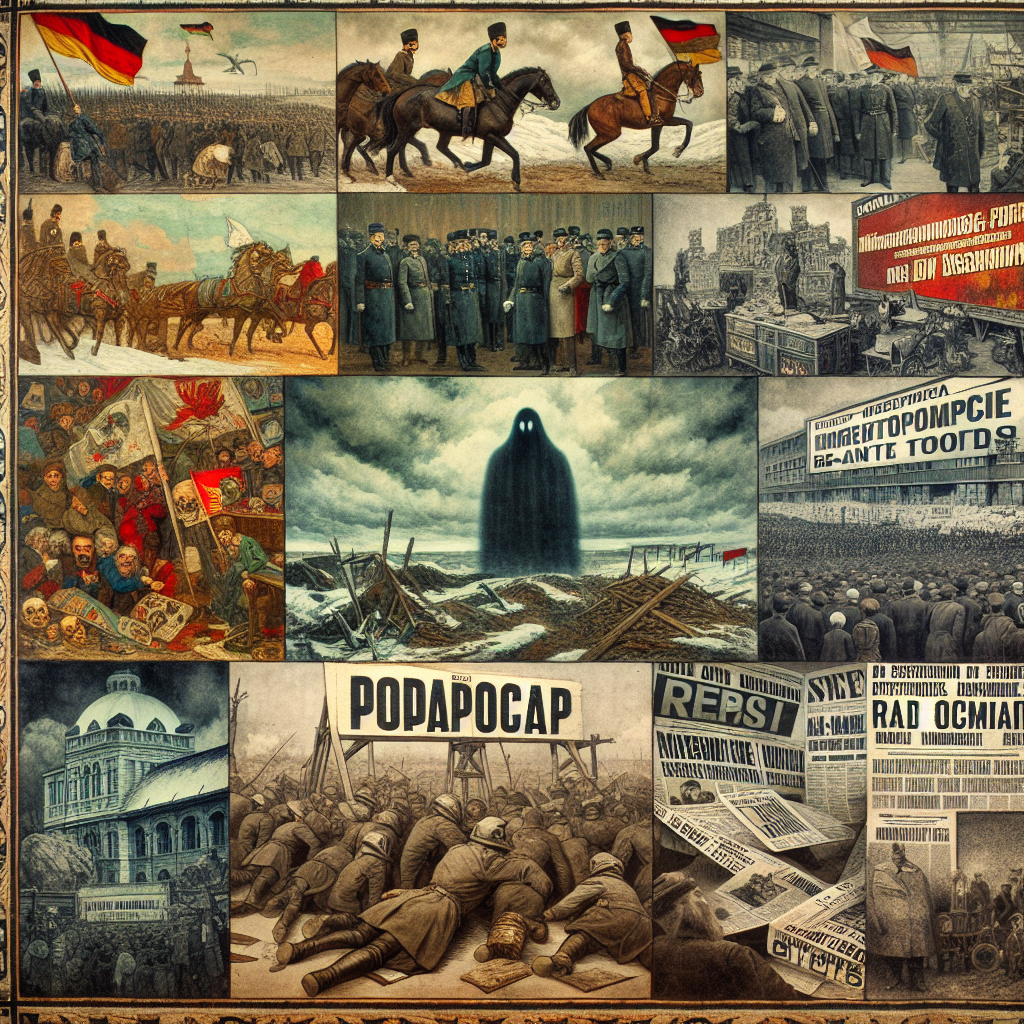
Germany’s relationship with Russia has been historically tumultuous, with periods of both cooperation and conflict. The current sentiment echoes past extremes, drawing parallels to:

- The Cold War era, characterized by intense rivalry and suspicion.
- World War II, where propaganda fueled animosity between the nations.
Current Geopolitical Tensions
Several factors contribute to the rising anti-Russia sentiment in Germany today:

- Russia’s aggressive foreign policy, particularly in Eastern Europe.
- Germany’s alignment with Western allies, reinforcing a critical stance against Russia.
- Economic sanctions and energy dependencies creating friction.
Impact on Society and Politics
The resurgence of anti-Russia sentiment has significant implications for German society and politics:
- Increased polarization within the German populace.
- Challenges for political leaders in balancing diplomatic relations.
- Potential influence on upcoming elections and policy decisions.
Conclusion
The revival of anti-Russia sentiment in Germany highlights the enduring impact of historical narratives and current geopolitical dynamics. As tensions continue to rise, Germany faces the challenge of navigating a complex relationship with Russia while maintaining its commitments to international alliances.