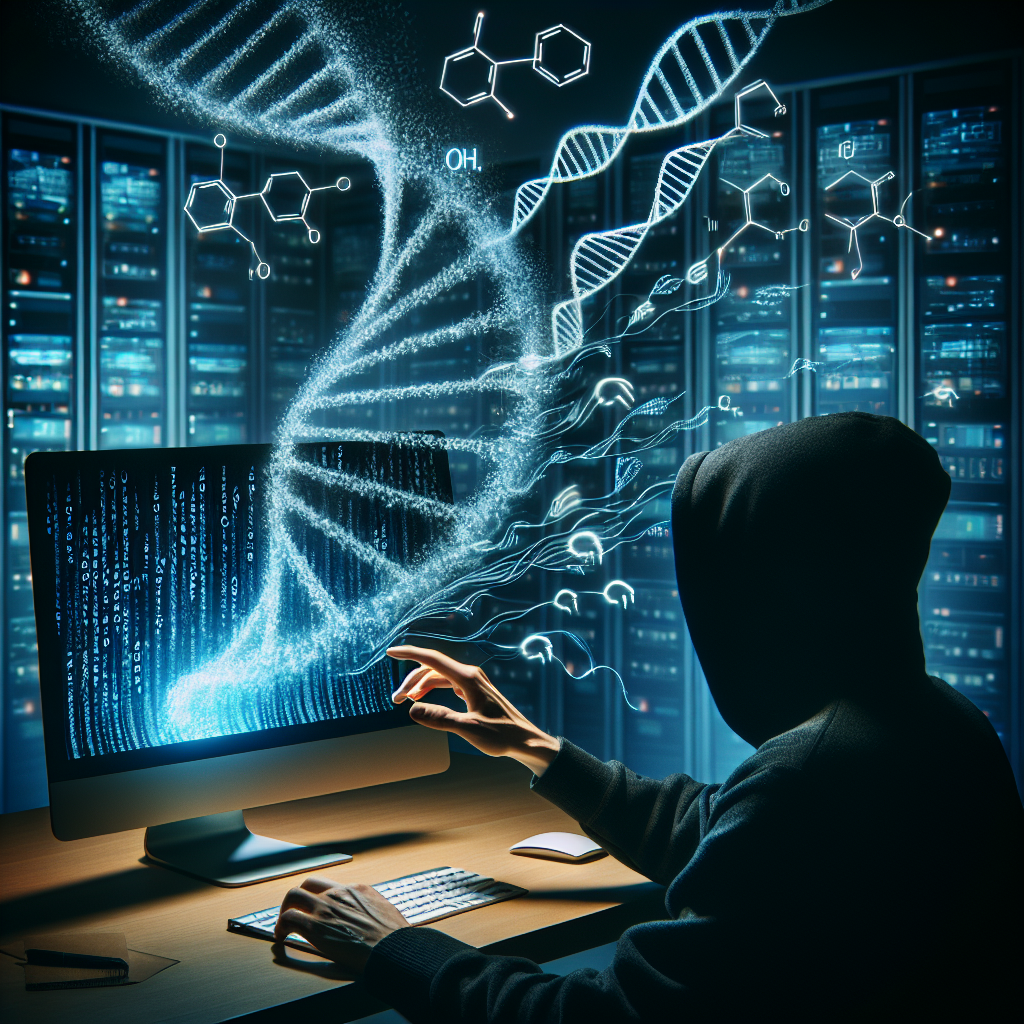
Study Warns DNA Sequencing Could Be a Major Target for Hackers
Study Warns DNA Sequencing Could Be a Major Target for Hackers
Introduction
In a groundbreaking study, cybersecurity experts have raised alarms about the potential vulnerabilities in DNA sequencing technologies. As these technologies become more integrated into healthcare and research, they present a lucrative target for cybercriminals.

Key Findings
- Vulnerability Exposure: The study highlights that DNA sequencing systems are increasingly connected to the internet, making them susceptible to cyberattacks.
- Data Sensitivity: Genetic data is highly sensitive and personal, making unauthorized access a significant privacy concern.
- Potential Consequences: Breaches could lead to data manipulation, identity theft, and unauthorized access to personal health information.
Why DNA Sequencing is at Risk
As DNA sequencing becomes more prevalent in medical diagnostics and personalized medicine, the infrastructure supporting these technologies is expanding. This growth, however, often outpaces the implementation of robust cybersecurity measures, leaving systems exposed to potential threats.

Recommendations for Mitigation
- Enhanced Security Protocols: Implementing advanced encryption and authentication methods to protect genetic data.
- Regular Security Audits: Conducting frequent assessments to identify and address vulnerabilities in DNA sequencing systems.
- Awareness and Training: Educating stakeholders about the risks and best practices for safeguarding genetic information.
Conclusion
The study serves as a crucial reminder of the need for heightened cybersecurity measures in the rapidly evolving field of DNA sequencing. As the technology continues to advance, ensuring the protection of sensitive genetic data must remain a top priority to prevent potential exploitation by hackers.