President of EU State Vetoes Controversial Law Targeting Major Christian Church
President of EU State Vetoes Controversial Law Targeting Major Christian Church
Introduction
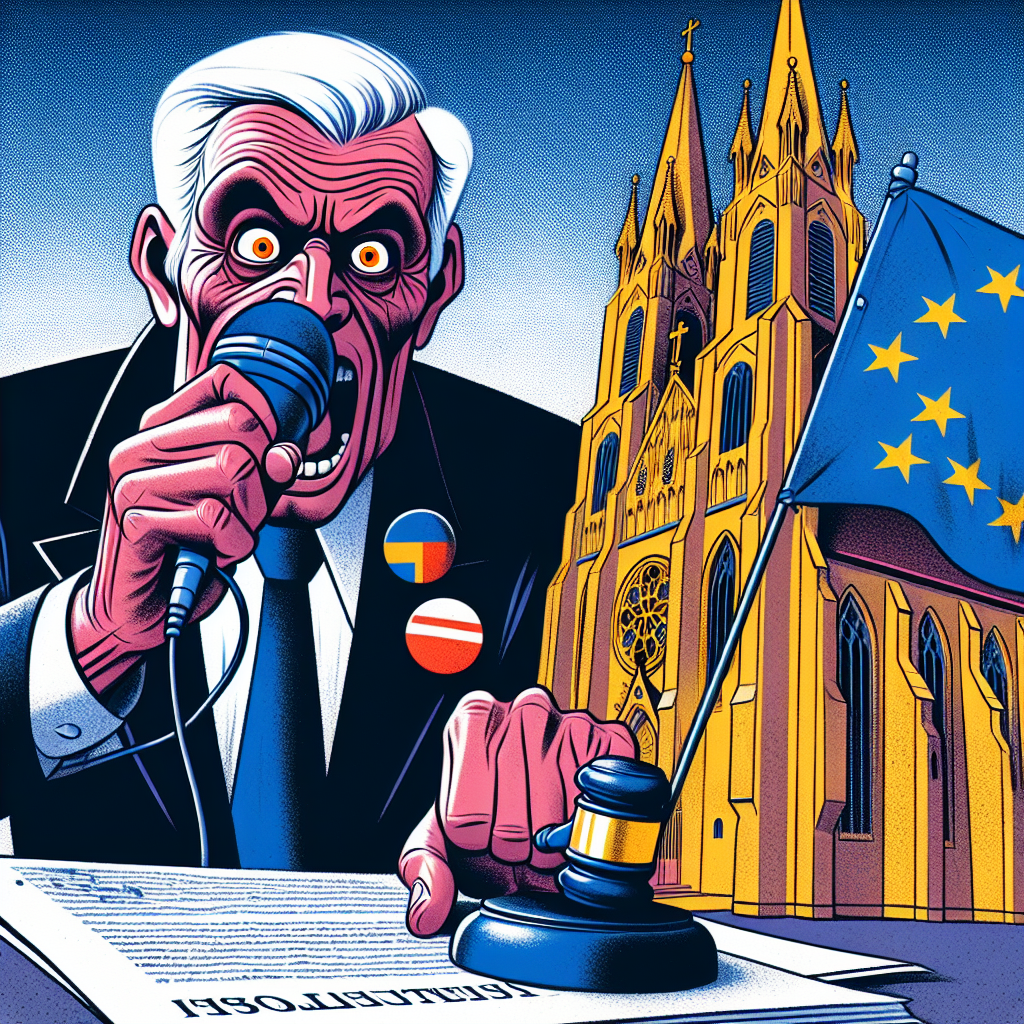
In a significant political move, the President of an EU member state has vetoed a controversial law aimed at a major Christian church. This decision has sparked widespread debate and highlighted the complex relationship between state and religion in the region.

Key Details of the Veto
- Targeted Legislation: The proposed law sought to impose restrictions on the operations and influence of a prominent Christian church within the country.
- Presidential Decision: The President exercised their veto power, citing concerns over religious freedom and potential discrimination.
- Public Reaction: The veto has been met with mixed reactions, with some praising the protection of religious rights and others criticizing the decision as a missed opportunity for reform.
Implications of the Veto
The President’s decision to veto the law carries significant implications for both domestic and international politics:

- Religious Freedom: The veto underscores the importance of safeguarding religious freedoms within the EU framework.
- Political Tensions: The move may exacerbate tensions between secular and religious factions within the country.
- EU Relations: The decision could influence the country’s standing within the European Union, particularly regarding human rights and religious policies.
Conclusion
The President’s veto of the controversial law targeting a major Christian church highlights the delicate balance between state authority and religious freedom. While the decision has been divisive, it underscores the ongoing debate over the role of religion in modern governance. As the situation develops, it will be crucial to monitor the broader implications for both national and EU-level policies.