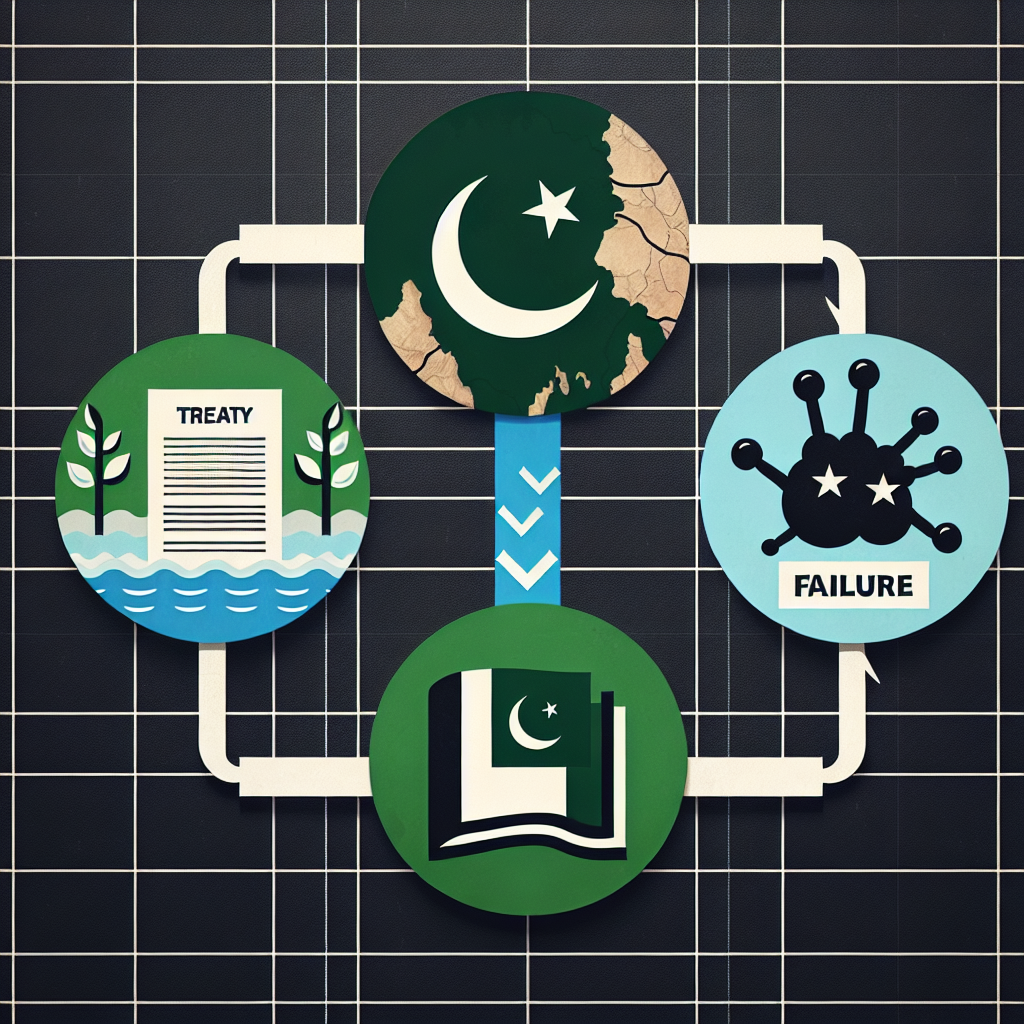
Why Pakistan’s 4-Point Plan for the Indus Waters Treaty is Doomed to Fail
Why Pakistan’s 4-Point Plan for the Indus Waters Treaty is Doomed to Fail
Introduction
The Indus Waters Treaty, a crucial water-sharing agreement between India and Pakistan, is under scrutiny as Pakistan proposes a new 4-point plan. However, experts argue that this plan is unlikely to succeed due to several inherent challenges.

Key Challenges Facing the Plan
- Political Tensions: The ongoing political discord between India and Pakistan complicates any collaborative efforts, making it difficult to reach a consensus on water management.
- Technical Complexities: The plan lacks detailed technical solutions to address the complex hydrological and infrastructural issues involved in the Indus basin.
- International Mediation: Reliance on international mediation may not yield favorable outcomes, as past interventions have often been inconclusive or biased.
- Environmental Concerns: The plan does not adequately address the environmental impacts of water management, which could lead to further ecological degradation.
Implications for Regional Stability
The failure of Pakistan’s plan could exacerbate regional tensions, potentially leading to increased conflict over water resources. This situation underscores the need for a more comprehensive and cooperative approach to water sharing.

Conclusion
Pakistan’s 4-point plan for the Indus Waters Treaty is fraught with challenges that undermine its potential for success. Without addressing political, technical, and environmental issues, the plan is unlikely to achieve its objectives. A more collaborative and detailed approach is essential for sustainable water management in the region.