“Exposing the Gap: Phone Inspections and Their Impact on US Civil Rights”
Exposing the Gap: Phone Inspections and Their Impact on US Civil Rights
Introduction
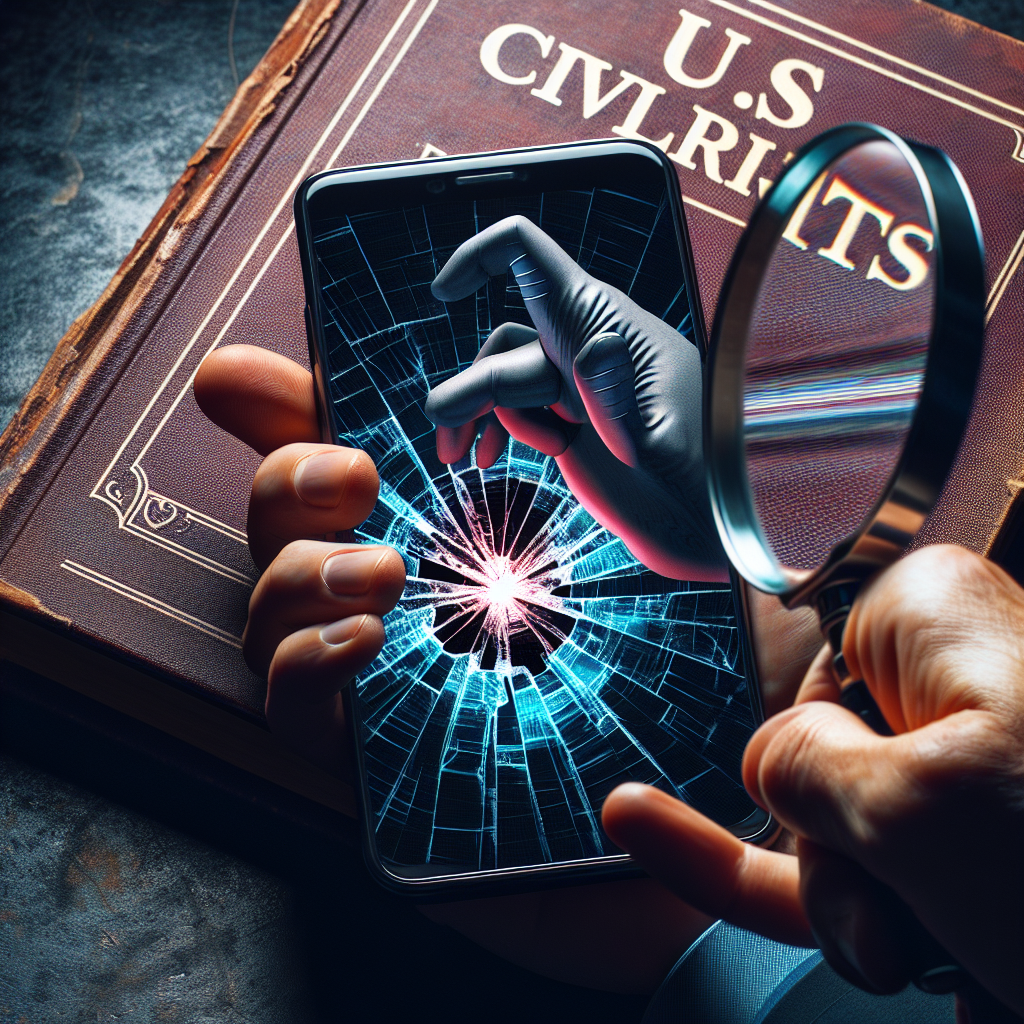
The increasing prevalence of phone inspections by law enforcement agencies in the United States has sparked a significant debate regarding civil rights and privacy. This news topic delves into the implications of these inspections and their potential to infringe on individual freedoms.

The Rise of Phone Inspections
With the advent of advanced technology, law enforcement agencies have adopted phone inspections as a tool for investigation. However, this practice raises several concerns:

- Potential overreach of authority
- Lack of clear guidelines and regulations
- Inconsistencies in implementation across different jurisdictions
Civil Rights Concerns
Phone inspections pose a threat to civil liberties, particularly in the following areas:

- Privacy Invasion: Unwarranted access to personal data can lead to misuse and abuse.
- Discrimination: Marginalized communities may face disproportionate scrutiny.
- Legal Ambiguities: The absence of standardized legal frameworks complicates the protection of individual rights.
Legal and Ethical Implications
The legal landscape surrounding phone inspections is complex and evolving. Key issues include:
- The need for clear legal standards to govern phone inspections
- Balancing national security interests with individual privacy rights
- Ensuring transparency and accountability in law enforcement practices
Public Response and Advocacy
Public outcry and advocacy efforts have intensified, with calls for:
- Stronger legal protections for personal data
- Increased oversight of law enforcement agencies
- Greater public awareness and education on digital rights
Conclusion
The issue of phone inspections highlights a critical gap in the balance between security and civil rights. As technology continues to evolve, it is imperative to establish robust legal frameworks that protect individual freedoms while enabling effective law enforcement. The ongoing dialogue between policymakers, legal experts, and civil rights advocates will be crucial in shaping the future of privacy and civil liberties in the digital age.