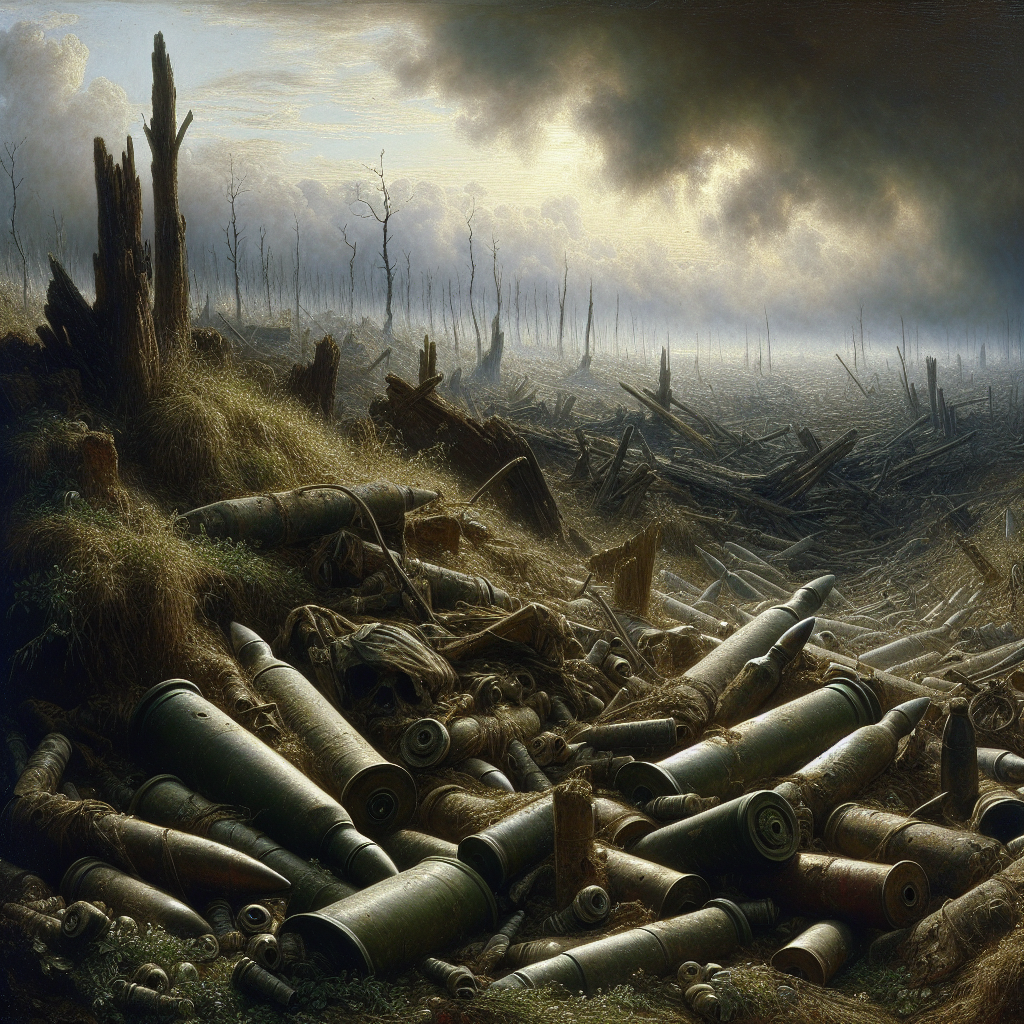
Lasting Impact: US Bombs and Chemicals Continue to Affect Vietnam 50 Years On
Lasting Impact: US Bombs and Chemicals Continue to Affect Vietnam 50 Years On
Historical Context
Over half a century has passed since the end of the Vietnam War, yet the remnants of conflict continue to haunt the nation. The extensive use of bombs and chemical agents by the United States during the war has left a lasting impact on Vietnam’s environment and its people.

Environmental Consequences
The war’s legacy is evident in the widespread contamination and ecological damage across Vietnam. Key environmental issues include:

- Unexploded ordnance (UXO) scattered across the countryside, posing ongoing risks to communities.
- Deforestation and soil degradation due to chemical defoliants like Agent Orange.
- Contaminated water sources affecting both human and wildlife health.
Human Health Impacts
The human toll of these wartime remnants is profound, with numerous health challenges persisting among the Vietnamese population:

- Increased rates of birth defects and cancers linked to chemical exposure.
- Psychological trauma and physical injuries from UXO incidents.
- Generational health issues affecting children and grandchildren of those exposed.
Efforts Toward Remediation
Various initiatives have been undertaken to address these enduring challenges:
- International collaborations for UXO clearance and land rehabilitation.
- Health programs aimed at treating and supporting affected individuals.
- Ongoing research to better understand and mitigate the long-term effects of chemical exposure.
Conclusion
The Vietnam War’s legacy of bombs and chemicals continues to shape the lives of many Vietnamese people and the environment. While significant efforts are being made to address these issues, the path to full recovery remains long and complex. The ongoing impact serves as a poignant reminder of the war’s enduring consequences and the importance of continued international cooperation in remediation efforts.