Kashmir Conflict: Potential Indian Responses to Pakistan Based on Historical Patterns
Kashmir Conflict: Potential Indian Responses to Pakistan Based on Historical Patterns
Introduction
The Kashmir conflict remains a pivotal issue in South Asian geopolitics, with India and Pakistan often at odds over the region. Understanding India’s potential responses to Pakistan requires an examination of historical patterns and strategic maneuvers.

Historical Context
India’s approach to the Kashmir conflict has evolved over the decades, influenced by political, military, and diplomatic factors. Key historical patterns provide insights into potential future responses.

Military Strategies
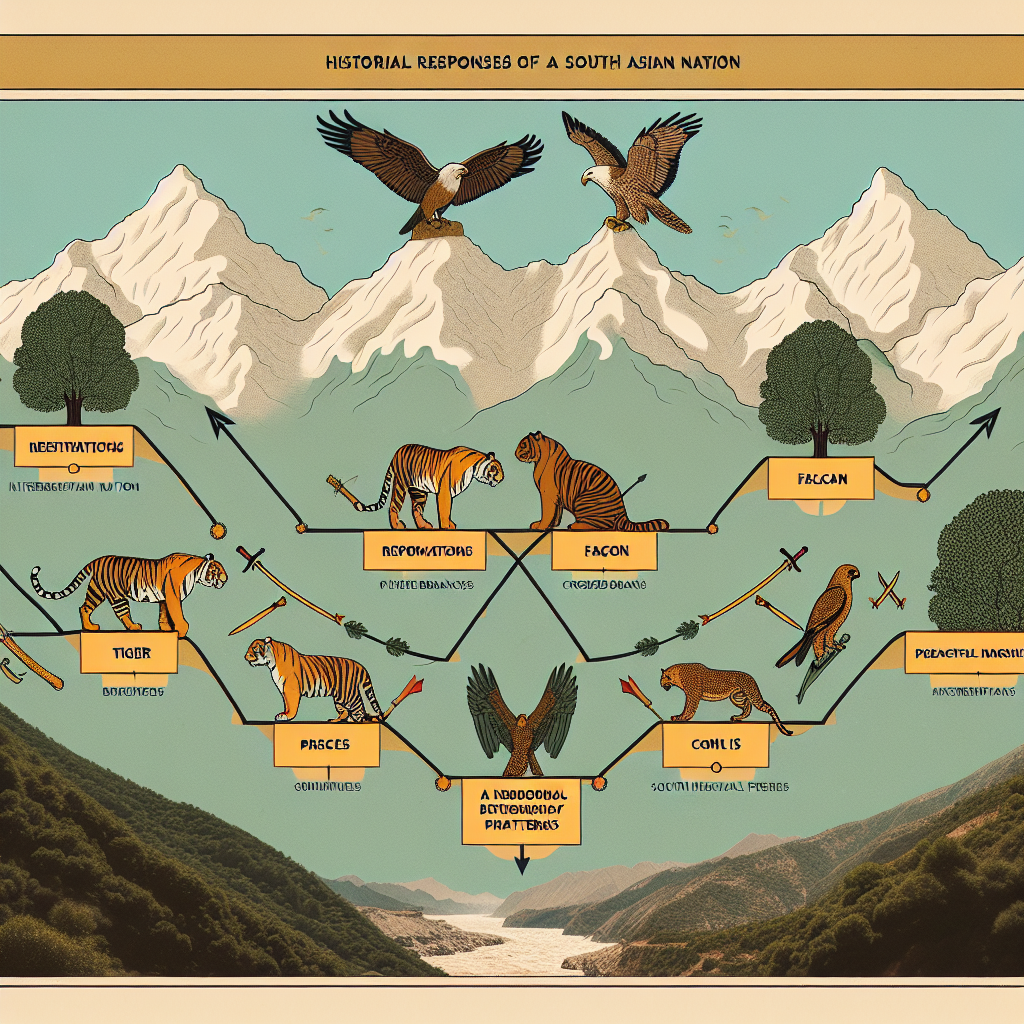
- Defensive Posture: Historically, India has maintained a strong defensive stance, focusing on securing its borders and preventing infiltration.
- Retaliatory Strikes: In response to provocations, India has occasionally conducted surgical strikes to dismantle terrorist infrastructure across the border.
- Military Build-up: India has periodically increased its military presence in the region to deter aggression and reassure its populace.
Diplomatic Efforts
- International Engagement: India has sought to garner international support by highlighting cross-border terrorism and advocating for peaceful resolutions.
- Bilateral Talks: Despite tensions, India has engaged in dialogue with Pakistan to explore peaceful solutions, though these efforts have often been stalled by mutual distrust.
Economic Measures
- Trade Restrictions: India has used economic leverage, such as suspending trade, to pressure Pakistan into curbing support for militant activities.
- Infrastructure Development: Investing in infrastructure within Kashmir aims to integrate the region more closely with the rest of India, countering separatist narratives.
Conclusion
India’s potential responses to the Kashmir conflict with Pakistan are shaped by a blend of military, diplomatic, and economic strategies. By analyzing historical patterns, one can anticipate a multifaceted approach that balances defense, dialogue, and development. The ongoing challenge lies in navigating these complex dynamics to achieve lasting peace and stability in the region.