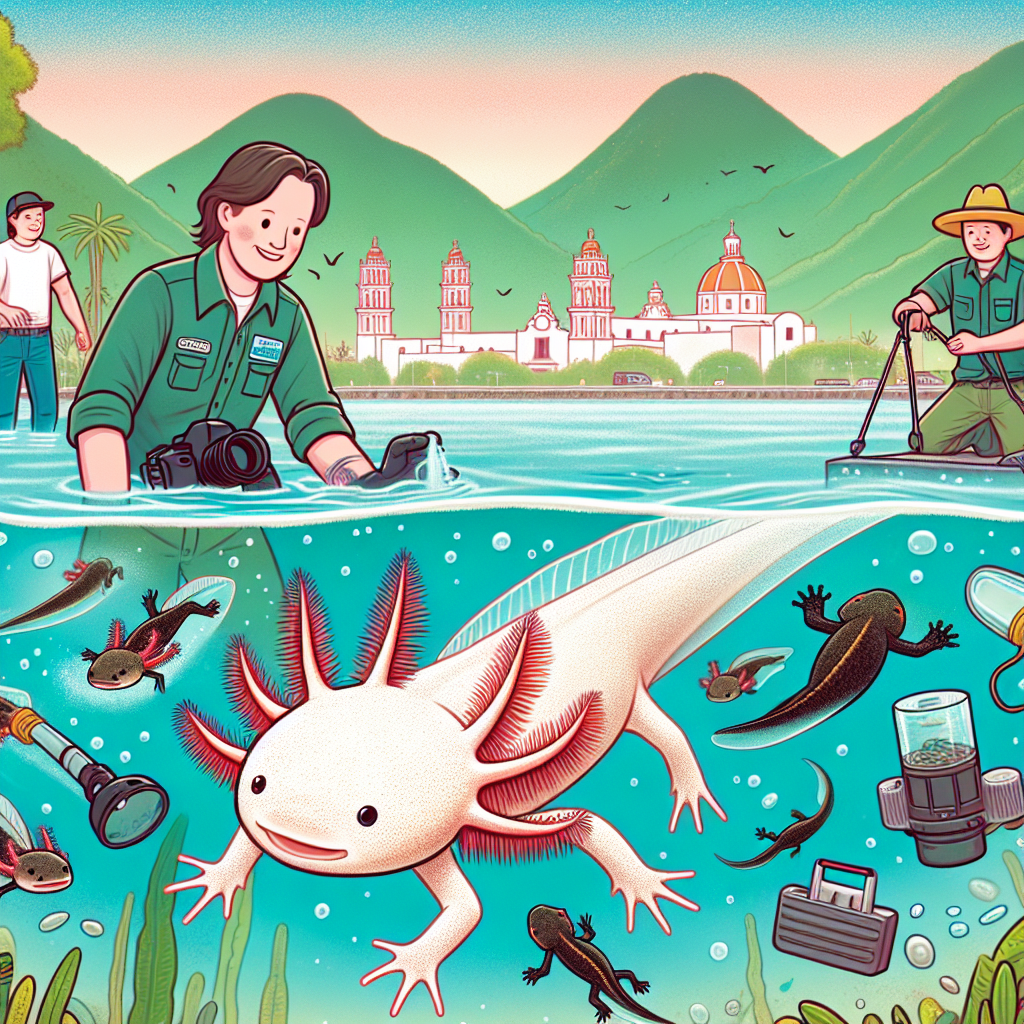
Can Mexico Save the Endangered Axolotl?
Can Mexico Save the Endangered Axolotl?
Introduction to the Axolotl
The axolotl, a unique amphibian native to Mexico, is renowned for its remarkable regenerative abilities and distinct appearance. However, this fascinating creature is now facing the threat of extinction, prompting urgent conservation efforts.

Why is the Axolotl Endangered?
Several factors contribute to the axolotl’s endangered status, including:

- Habitat Loss: Urbanization and pollution have severely impacted the axolotl’s natural habitat in the Xochimilco canals.
- Invasive Species: Non-native fish species introduced into their habitat compete for resources and prey on axolotl eggs.
- Water Quality: Poor water quality due to pollution and waste disposal further threatens their survival.
Conservation Efforts in Mexico
Mexico is actively working to save the axolotl through various initiatives:

- Habitat Restoration: Efforts are underway to clean and restore the Xochimilco canals, providing a safer environment for the axolotls.
- Breeding Programs: Captive breeding programs aim to increase axolotl populations and reintroduce them into the wild.
- Public Awareness: Educational campaigns are raising awareness about the axolotl’s plight and the importance of conservation.
The Role of Science and Technology
Innovative scientific approaches are being employed to aid in the conservation of the axolotl:
- Genetic Research: Studies on the axolotl’s genome are providing insights into their regenerative capabilities and how to enhance their survival.
- Environmental Monitoring: Advanced technology is being used to monitor water quality and track axolotl populations in their natural habitat.
Conclusion
The axolotl’s survival hinges on a combination of habitat restoration, scientific research, and public engagement. While challenges remain, Mexico’s dedicated efforts offer hope for the future of this extraordinary species. By addressing the key threats and leveraging innovative solutions, there is potential to not only save the axolotl but also restore the ecological balance of its native environment.