Exploring the Link Between Israeli Wildfires and ‘Green Colonialism’
Exploring the Link Between Israeli Wildfires and ‘Green Colonialism’
Introduction
Recent discussions have emerged around the connection between Israeli wildfires and the concept of ‘green colonialism.’ This term refers to the imposition of environmental policies that may inadvertently harm local communities and ecosystems. The debate highlights the complex interplay between environmental conservation efforts and socio-political dynamics in the region.

Understanding ‘Green Colonialism’
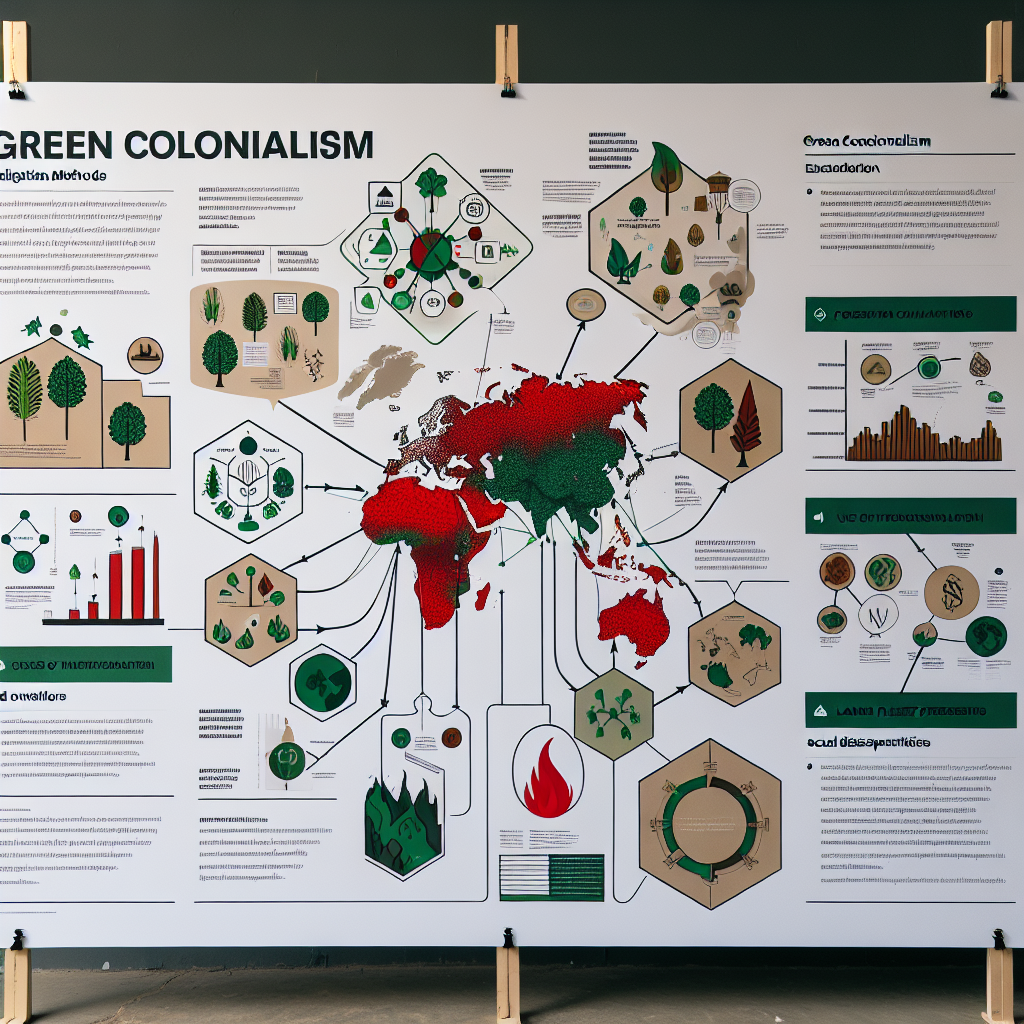
‘Green colonialism’ is a critical term used to describe situations where environmental initiatives, often led by external entities, prioritize ecological goals over the needs and rights of local populations. In the context of Israel, this concept is being scrutinized in relation to wildfire management and prevention strategies.

Key Issues at Play
- Environmental Policies: Critics argue that some conservation efforts in Israel may not adequately consider the traditional land management practices of local communities, potentially exacerbating wildfire risks.
- Land Use Conflicts: The imposition of certain environmental policies can lead to tensions between governmental authorities and indigenous or local populations, who may feel marginalized or disenfranchised.
- Ecological Impact: While aiming to protect natural landscapes, some policies might inadvertently increase the vulnerability of these areas to wildfires due to a lack of local ecological knowledge integration.
Case Studies and Examples
Several instances have been cited where well-intentioned environmental policies have clashed with local practices, leading to unintended consequences. These examples serve as a cautionary tale for policymakers to consider a more inclusive approach.

Moving Forward: A Collaborative Approach
Experts suggest that a more collaborative approach, involving local communities in the decision-making process, could lead to more effective and sustainable wildfire management strategies. This includes:
- Incorporating traditional ecological knowledge into policy frameworks.
- Ensuring that conservation efforts do not undermine local livelihoods.
- Promoting dialogue between governmental bodies and local stakeholders.
Conclusion
The link between Israeli wildfires and ‘green colonialism’ underscores the need for a balanced approach to environmental conservation. By integrating local knowledge and addressing socio-political dynamics, it is possible to develop strategies that are both ecologically sound and socially equitable. This ongoing dialogue highlights the importance of inclusivity in environmental policymaking.