Syria’s Ceasefire: 30,000 Trapped Amid Homes Burning
Syria’s Ceasefire: 30,000 Trapped Amid Homes Burning
Despite the declaration of a ceasefire in Syria, reports indicate that around 30,000 civilians remain trapped in a besieged city where homes are being set ablaze, exacerbating an already dire humanitarian crisis.

The Unfolding Crisis
Recent coverage reveals that the ceasefire, intended to bring relief to a war-torn populace, has not translated into the expected safety or humanitarian access. Sources from Sky News highlight alarming conditions in the city, where essential supplies are dwindling, and ongoing conflict jeopardizes the lives of those trapped inside. Eyewitness accounts describe a suffocating atmosphere of fear, as families are forced to make impossible choices between fleeing conflict or waiting for potential rescue.

The situation is being likened to an existential struggle, with families unable to escape and humanitarian organizations hamstrung in their efforts to provide aid. International bodies such as the United Nations are calling for immediate action, urging all parties involved to respect the ceasefire and allow help to reach those in desperate need.

Perspectives on the Ceasefire
The international community’s response to the ceasefire has been mixed, with some observers applauding the efforts while others criticize their effectiveness. An analysis from Al Jazeera emphasizes the complexities surrounding the ceasefire agreements, suggesting that while they may be necessary, they are often challenging to enforce in reality. The situation is further complicated by differing agendas among various factions fighting for control, which often leads to renewed clashes even amidst peace talks.
On the other hand, RT offers a critical view of these efforts, positing that external powers may play a role in prolonging the conflict by not fully committing to ceasefire initiatives. This skepticism raises important questions about the motivations behind various player involvement and whether true peace can be achieved when self-interests dominate the narrative.
The Humanitarian Toll
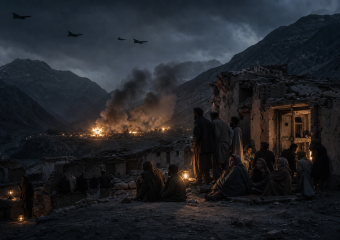
With increased violence, the humanitarian toll continues to rise. Aid organizations report that families are living in increasingly precarious conditions, lacking basic necessities such as food, water, and medical care. Photos circulating on social media depict neighborhoods charred and desolate, further fueling calls for immediate intervention from humanitarian agencies. The sheer scale of devastation underscores a bleak reality—how many more lives must be lost before meaningful action is taken?
Yet, not all aspects of the situation are bleak; some sources indicate that local communities are banding together to support one another, sharing whatever little resources they have left. This resilience highlights the human spirit’s tenacity, even in the face of immense suffering. Communities often find ways to assist those most vulnerable, creating networks of support amidst chaos.
Towards a Sustainable Solution
While numerous parties express intentions for peace, a sustainable resolution remains elusive. The fragmented nature of the conflict suggests that any long-term peace strategy must include all stakeholders—both local and international. The complexities at play necessitate open-ended dialogues that address not only immediate humanitarian needs but also long-standing grievances among various factions.
In the meantime, the call for humanitarian corridors has become increasingly urgent. Al Jazeera’s commentary points to historical precedents where such measures have facilitated aid deliveries, stressing that international cooperation is crucial for establishing functional ceasefire conditions.
Conclusions and Questions Ahead
The juxtaposition of hope against significant challenges raises pressing questions about the future of conflict resolution in Syria. As various factions pursue their interests, the suffering of civilians becomes the most poignant casualty of war. Will the international community unite to safeguard the rights and lives of those trapped in devastating circumstances? Or will political agendas continue to overshadow the urgent need for humanitarian action?
The coming weeks may prove critical in shaping the narrative surrounding this ongoing crisis. While ceasefires can provide temporary relief, lasting change demands comprehensive strategies that prioritize civilian safety and engage all stakeholders in constructive dialogue. The plight of the 30,000 trapped civilians serves as a stark reminder of the stakes involved—not just in Syria, but in conflict zones worldwide.
Moving forward, it is essential for all involved to reflect on the real cost of inaction, lest this humanitarian crisis deepen further.