UN Reports Over 1,000 Aid Seekers Killed in Gaza Conflict
UN Reports Over 1,000 Aid Seekers Killed in Gaza Conflict
The staggering loss of life in the ongoing Gaza conflict has drawn international scrutiny, as United Nations reports reveal that over 1,000 aid seekers have been killed in the region since late May. This tragic toll has stirred a complex debate over the implications of military action and humanitarian needs within the war-torn territory.

Understanding the Context of the Conflict
The Gaza conflict, primarily involving the Israeli military and Hamas, has escalated in intensity, leading to widespread destruction and humanitarian crises. After a sudden escalation of violence late last month, the situation has become increasingly dire, with civilians bearing the brunt of the hostilities. The United Nations estimates show that many of those killed were seeking aid or attempting to access humanitarian resources, highlighting the perilous environments that aid workers and civilians navigate daily.

Recent reports indicate that the Israeli military’s operations aimed at dislodging Hamas have resulted in high civilian casualties, igniting worldwide calls for accountability. According to Al Jazeera, UN Secretary-General António Guterres emphasized the necessity for immediate humanitarian access, stating that “there needs to be a halt to the violence in order to facilitate aid to those who need it most.” This statement reflects a growing urgency for the international community to mediate the conflict to mitigate further loss of innocent life.

The Humanitarian Crisis Unfolding
The situation in Gaza is exacerbated by limited access to essential resources like food, water, and medical care. Aid organizations have reported severe shortages, which are compounded by ongoing military operations. Sky News reports that humanitarian corridors are often disrupted by fighting, creating barriers for aid workers to provide necessary support. The UN and various NGOs have pressed both Israel and Hamas to prioritize the safety of civilians and allow for uninterrupted humanitarian efforts, recognizing that aid is critical to stave off a larger humanitarian disaster.
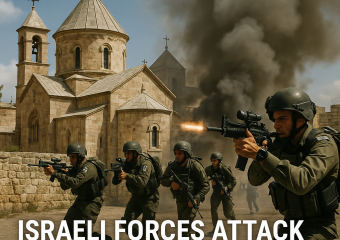
Conversely, military officials argue that the strikes are directed only at Hamas operatives and infrastructure. However, the alignment of civilian casualties raises questions about the operational targets being pursued. As highlighted by RT News, Israeli leadership contends that they are taking extensive measures to minimize civilian harm while conducting military strikes aimed at neutralizing threats. This assertion, however, stands in stark contrast to the harrowing statistics provided by the UN, which illustrate the grim reality on the ground.
The International Response and Need for Accountability
The escalating death toll has not gone unnoticed by the international community. Numerous countries and human rights organizations have voiced their concern, calling for an independent investigation into Israeli military actions. Critics argue that without accountability, the cycle of violence will perpetuate, further endangering civilian lives. The contrasting narratives between the military objectives and the humanitarian needs present a complex ethical dilemma.
In tandem with criticisms of the Israeli approach, examinations of Hamas’s actions reveal their influence on the civilian population’s safety. The militant group’s operations often occur from within densely populated areas, raising the stakes of military engagements. This reality complicates the traditional constructs of warfare and leads to a tragic convergence of military strategy and humanitarian crises.
Navigating Uncertainties
As calls for ceasefires and humanitarian aid initiatives increase, the focus turns toward potential resolutions. With both sides entrenched in their positions, the prospects for peace appear daunting. While a multitude of diplomatic channels have been suggested, a clear pathway to sustained peace remains shrouded in uncertainty.
Analysts suggest that unless both parties can agree on fundamental changes to their strategies and objectives—specifically regarding civilian safety and humanitarian access—the cycle of violence is likely to continue. The UN’s reports, highlighting the grim statistics of loss, serve as a painful reminder that the stakes are incredibly high for civilians caught in the crossfire.
Conclusion
The tragedy of over 1,000 aid seekers killed in the Gaza conflict underscores a critical intersection of military action and humanitarian need. As grappling continues over the narratives presented by various stakeholders, international awareness and intervention appear necessary to alleviate suffering and promote accountability. While the immediate focus should remain on providing essential aid and protection to civilians, long-term solutions must address the deeper-rooted conflicts that perpetuate such violence. A pathway toward peace may be fraught with challenges, but it is imperative for the sake of those who continue to pay the ultimate price.