Russia-Ukraine Aerial Bombardments Kill Five in Latest Clash
Russia-Ukraine Aerial Bombardments Kill Five in Latest Clash
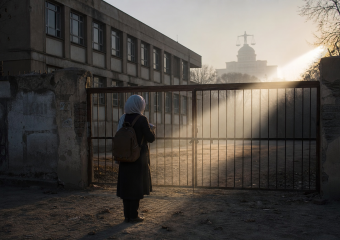
In an escalating conflict that has deeply affected the lives of countless civilians, recent aerial bombardments have regrettably resulted in the loss of five lives in the ongoing Russia-Ukraine clash. This tragic incident highlights the urgency for dialogue and peace in a war that has persisted for over a year.

The Tragic Incident
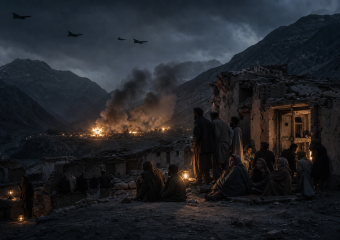
On [insert date], reports confirmed that the aerial bombardments exchanged between Russian and Ukrainian forces led to civilian casualties, sparking renewed international concern. According to Sky News, local authorities confirmed the deaths of five individuals in targeted strikes, with significant damage inflicted upon nearby infrastructure as well.

The attacks serve as a grim reminder of the destructive capacity of modern warfare, especially in urban areas where civilians often bear the brunt of military engagements. Each bombing raid fells not only human lives but also devastates communities, leading to long-term psychological trauma among survivors. As Al Jazeera reports, this most recent exchange has elicited swift condemnation from international bodies keen on upholding humanitarian laws designed to protect non-combatants.

Competing Narratives
Sources from both sides present differing narratives regarding the ownership and responsibility of these bombardments. Russian news outlets, such as RT, have focused on characterizing these actions as defensive measures against what they describe as provocative assaults by Ukrainian forces. They argue that the offensive is aimed at eliminating military threats posed by Ukrainian troops stationed near border regions, maintaining that their strikes are necessary for national security.
Conversely, Ukrainian officials accuse Russia of indiscriminate aggression aimed at terrorizing civilians. This perspective is backed by humanitarian organizations that assert a pattern of attacks on populated locations that violate international norms. According to reports by both Al Jazeera and Sky News, Ukrainian authorities have argued that these bombings are part of a larger strategy to destabilize and intimidate the civilian population.
Analyzing Implications
The loss of life due to these bombardments underscores the ongoing challenges in achieving a lasting ceasefire. The international community’s role becomes increasingly important as various nations call for immediate discussions to bring an end to hostilities. Despite numerous attempts at peace negotiations throughout the last year, each fresh barrage complicates the path forward, suggesting that both sides may be entrenched in their positions.
Furthermore, public sentiment varies widely on both sides of the conflict. In Russia, some citizens continue to support their government’s actions, increasingly feeling justified by claims of national defense. Meanwhile, in Ukraine, the sense of loss has galvanized resistance among the populace, yet it has simultaneously fostered war-weariness, leading to calls for diplomacy.
The nuances of war often give rise to conflicting narratives that can shift rapidly based on recent developments. With such high stakes, it becomes crucial to assess the broader implications of each strike—not just militarily, but also socially and psychologically.
The Path Forward
As we grapple with the aftermath of this latest incident, it is evident that a sustainable solution lies in open dialogue, conflict resolution, and adherence to humanitarian law. The lingering fear is that without significant international intervention, cycles of violence will continue to contribute to the ongoing humanitarian crisis in the region.
Both local and international actors must work collaboratively to slow hostilities and prioritize civilian safety. Increased diplomatic overtures, humanitarian aid, and sustained pressure on both parties to cease hostilities can help shift the narrative toward peace.
In conclusion, while the recent aerial bombardments may have resulted in tragic loss, they also serve as a stark reminder of the urgent necessity for diplomatic avenues that can pave the way for reconciliation. Developing a nuanced understanding of these complex dynamics is critical in addressing not just the symptoms of the crisis but its underlying causes.