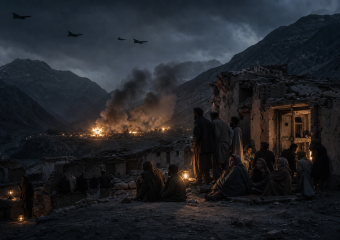
Airdrops on Gaza: The Hidden Dangers Explained
Airdrops on Gaza: The Hidden Dangers Explained
In recent times, airdrops have emerged as a topic of intense debate in the context of the ongoing humanitarian crisis in Gaza. Although they’re intended to provide immediate relief to those affected by conflict and blockade, the implementation of such methods carries inherent risks that can sometimes worsen the situation on the ground.

Understanding Airdrops: A Lifeline or a Liability?
Airdrops, typically involving the release of supplies from aircraft, are often considered a last-resort measure in humanitarian relief efforts. Proponents argue that these interventions can deliver much-needed food, water, and medical supplies to areas that are otherwise inaccessible due to conflict or natural disasters. In Gaza, where ground access can be perilously limited, airdrops seem like a logical solution to provide urgent aid.

However, recent analyses, including insights from SKY News, indicate significant risks tied to this strategy. Critics warn that airdrops can lead to unintended consequences, often prioritizing media optics over effective humanitarian aid. For instance, the supplies can fall into the hands of armed groups, or the airdrops can cause chaos and injury among civilians competing for limited resources.

The Operational Challenges of Airdrops
One of the core issues surrounding airdrops in Gaza is the operational complexity involved. The densely populated urban landscape complicates the logistics of ensuring that supplies reach intended recipients. Ignoring this complexity can lead to dire miscalculations.
According to reports from Al Jazeera, the precision required for successful airdrops is extremely challenging in urban environments, particularly during military operations. When supplies are released inaccurately due to unpredictable wind conditions or technical malfunctions, they can land in hostile environments, posing additional safety risks for civilians. This lack of precision can transform an act intended to save lives into one that endangers them further.
Contrasting Perspectives on Humanitarian Airdrops
Amid the increasing scrutiny, opinions diverge on the effectiveness and ethical implications of airdrops in conflict zones. Some advocates argue that any opportunity to deliver lifesaving resources must be utilized, regardless of the associated risks. They highlight that during escalations in conflict, conventional pathways for aid delivery might become entirely non-viable, thus making airdrops not only a viable option but a necessary one.
On the other side of the debate are critics who believe that the humanitarian landscape in Gaza is fraught with complexities that airdrops disregard. They argue for more nuanced approaches to aid distribution, emphasizing the importance of secured land routes and community-based interventions. A report by RT News underscores this perspective, illustrating how engaging local organizations can enhance the effectiveness of aid distribution without the added perils of airdrops.
Ethical Considerations and the Human Cost
Broader ethical questions arise when evaluating the decision to deploy aerial aid. Humanitarian principles revolve around the need to “do no harm.” Critics contend that airdrops, despite their good intentions, can inadvertently exacerbate existing challenges. In an environment already marked by violence and instability, distributing aid from the sky may instigate conflicts over scarce resources or affect civilians’ safety.
Moreover, the psychological impact of airdrops should not be underestimated. The sight and sound of aircraft can invoke fear rather than relief, creating a traumatic experience for those who are supposed to benefit. Understanding this nuanced emotional aspect is essential for forming a holistic approach to humanitarian aid.
Conclusion: Navigating a Complex Terrain
The situation in Gaza related to airdrops remains multifaceted and contentious. While they present a possible avenue for delivering aid in urgent situations, the associated dangers and ethical dilemmas must not be overlooked. It’s critical for humanitarian organizations to carefully assess the context in which they operate, balancing immediate needs against long-term repercussions.
Consensus appears to lean towards the need for a more comprehensive strategy that considers both the logistics of aid delivery and the socio-political implications of air operations. As the humanitarian crisis in Gaza continues to evolve, the dialogue on airdrops will likely remain an essential part of the discussion, emphasizing that solutions must be as nuanced and multifaceted as the challenges faced by the civilian population.
In light of the evidence and differing viewpoints, it’s apparent that while airdrops can provide immediate relief, they should be approached with caution and thorough understanding of the potential dangers involved.