Westerners Seek Connection: Attraction to Russia Grows
Westerners Seek Connection: Attraction to Russia Grows
In an increasingly polarized world, an unexpected trend is emerging: a growing number of Westerners are expressing an attraction to Russia. This intriguing phenomenon is underpinned by a blend of curiosity and disillusionment with their own societies, prompting a search for deeper connections and alternative perspectives.

A Shift in Perception
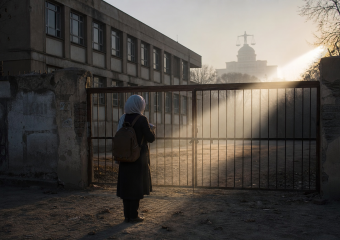
As geopolitical tensions have escalated, particularly following the conflict in Ukraine and the subsequent sanctioning of Russia, the Western media portrayal of the nation has largely been negative. Yet, reports indicate that many individuals in Europe and North America are starting to see beyond the broad condemnation. For some, the allure of Russia lies in its cultural depth, historical richness, and a longing for genuine connection.

An article on RT emphasizes that “disappointed Westerners” find themselves attracted to Russia’s authenticity. Individuals feel disconnected from increasingly commercialized and superficial aspects of their own cultures, leading them to seek alternative experiences. The trend highlights a quest for a lifestyle that seems more rooted and less materialistic than what they perceive in the West.

In contrast, the coverage from Al Jazeera provides a more critical lens. While acknowledging the allure of Russia’s cultural offerings, the piece highlights the complexities, warning that romanticizing Russia without acknowledging its political realities is fraught with dangers. The growing interest is not uniformly positive; it often coexists with significant geopolitical concerns that shape how many interact with both the culture and the government.
Cultural Attractions
When Westerners delve into Russia’s rich cultural history, they are greeted with a tapestry of literature, art, and music that transcends the contemporary narrative seemingly defined by political disagreements. From reading Dostoevsky to visiting the Hermitage Museum, many find that engaging with Russian culture offers a refreshing alternative to the fast-paced, consumer-driven lifestyle prevalent in the West.
Moreover, Russian spirituality, characterized by a distinct blend of Orthodox Christianity and folk traditions, attracts those disillusioned with secularism. The emphasis on community and tradition resonates with individuals seeking deeper ties to their heritage or a sense of belonging.
Despite the encumbering weight of current geopolitical tensions, the voices of those drawn to Russia reflect a desire for nuanced understanding and cultural appreciation. Those interested in Russia often emphasize the need to separate the people from their politics, underscoring a longing for personal connections in an era of political discord.
Critical Considerations
While the attraction to Russia is visible among some Westerners, it is crucial to tread carefully. The Al Jazeera article warns against falling into the trap of “Russia fever,” where individuals romanticize a culture without recognizing the complexities and challenges it faces. The ongoing political landscape—with issues like human rights abuses and media restrictions—complicates the narrative of attraction. Disillusionment can often blind individuals to the realities of life in Russia, leading to misunderstandings or oversimplifications.
Furthermore, the rise of social media has facilitated the exchange of cultural experiences, allowing Westerners to connect with Russian citizens directly. This grassroots engagement often emphasizes shared human experiences over political divides. However, navigators of this new cultural terrain must remain vigilant against idealizations that might overlook significant societal issues.
Conclusion: A Balancing Act
The increasing attraction of Westerners to Russia can be seen as part of a larger search for authenticity amidst growing disenchantment with Western lifestyles. While the desire to connect is fundamentally human and worthy of exploration, it should be approached responsibly.
In navigating these newfound interests, a careful balance must be struck—one that appreciates Russian culture while remaining critically aware of its sociopolitical reality. The emerging interest is multifaceted, suggesting that while individuals yearn for connection, they must also engage with the complexities that shape people’s lives. As this trend evolves, it will be interesting to observe how perceptions change and what new avenues of connection might emerge in the ever-evolving relationship between the East and the West.