Netanyahu’s Plan for a ‘Forever War’ in Gaza Explained
Netanyahu’s Plan for a ‘Forever War’ in Gaza Explained
Israeli Prime Minister Benjamin Netanyahu’s recent actions and statements have sparked intense debate over the possibility of a protracted conflict in Gaza, often referred to as a ‘forever war.’ As tensions continue to escalate, understanding the complexities of this situation requires examining various perspectives and underlying motivations.

The Framework of Conflict: Historical Context and Present Dynamics
The roots of the conflict in Gaza can be traced back to decades of political strife, military confrontations, and failed peace processes. Since the Hamas takeover in 2007, Gaza has been the focal point of military operations, economic sanctions, and humanitarian crises. Netanyahu’s administration has faced criticism for its hardline stance, raising concerns that such policies may perpetuate animosities and lead to endless cycles of violence.

Perspectives on Netanyahu’s Strategy
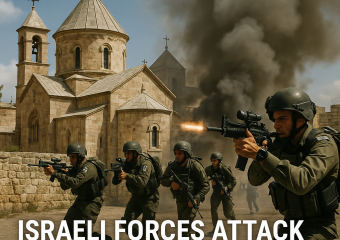
Reports indicate that Netanyahu may be pursuing a strategy aimed at maintaining control over Gaza while minimizing immediate existential threats to Israel. According to an article from Sky News, commentators suggest that this approach may involve limited military engagements rather than decisive military campaigns. The intent, as some analysts propose, could be to keep Hamas weak, thereby preventing any substantial military resurgence while also avoiding a full-scale invasion that could draw international condemnation and disrupt Israel’s already precarious standing in the region.

Conversely, critics warn that this strategy is shortsighted. Al Jazeera highlights how ongoing military actions lead to escalating tensions and humanitarian crises, which can breed resentment among Palestinians. They argue that failing to provide a viable path toward peace could exacerbate hostilities, eventually leading to broader conflicts.
Key arguments from both sides include:
Supportive Viewpoints:
– Security Concerns: Proponents of Netanyahu’s approach argue that maintaining a military presence is crucial for Israel’s security, given the historical context of attacks from Gaza.
– Containment Strategy: The idea of containing Hamas without spiraling into a full-scale war is viewed by some as a pragmatic long-term strategy.
Critical Viewpoints:
– Endless Violence: Detractors assert that a continuous military posture may only serve to prolong the suffering of civilians in Gaza and intensify anti-Israeli sentiment globally.
– Ineffective Policies: Critics believe that military actions without accompanying political initiatives are unlikely to resolve the long-term issues facing both communities.
The Humanitarian Toll: A Seemingly Endless Crisis
The humanitarian situation in Gaza is a critical, often overlooked aspect of this conflict. The recurrent military operations, blockades, and economic hardships have led to dire living conditions for the civilian population. Access to basic needs such as water, electricity, and medical care remains severely restricted, leading to a cycle of despair.
While Netanyahu’s administration has framed its policies as necessary for national security, there is growing opposition to the humanitarian fallout of these actions. Reports from RT provide accounts of suffering from Gaza, emphasizing urgent calls from international organizations for an end to violence and the need for humanitarian aid. The stark realities faced by Gazans resonate with advocates for peace, who argue that enduring suffering may further radicalize future generations.
The Road Ahead: Navigating Uncertainty
As Netanyahu continues to affirm his defensive stance, the question arises: Is this truly a sustainable strategy? While the immediate goals may be to eliminate threats from Hamas, observers warn that without a complementary peace process, the region may remain entrenched in an endless cycle of violence.
Recent developments indicate a divided international response. Some countries express support for Israel’s right to defend itself, while others advocate for a reevaluation of military tactics in favor of diplomacy. This division showcases the complexity of geopolitics in the region and the challenge of reaching a consensus on how best to foster peace.
Despite contrasting viewpoints, the situation is fraught with uncertainty. Netanyahu’s strategy may serve short-term security interests but could also lead to long-term consequences that are detrimental to both Israelis and Palestinians. Without effective engagement with the broader international community and genuine efforts toward lasting peace, the fear of a ‘forever war’ looms large.
In conclusion, Netanyahu’s actions in Gaza are emblematic of the ongoing struggle between security and humanitarian conscience. As events unfold, the need for nuanced understanding and dialogue becomes ever more crucial. The world watches closely, hopeful for a resolution that prioritizes peace and the dignity of all involved.