Germany’s Arms Export Shift: Impact on Israel and Gaza
Germany’s Arms Export Shift: Impact on Israel and Gaza
Germany’s recent decision to halt arms exports to Israel has sent ripples through the geopolitical landscape, particularly affecting the ongoing conflict in Gaza. This dramatic shift not only underscores Germany’s evolving stance on international arms trading but also raises important questions about its implications for one of its closest allies and the broader Middle East peace process.

The Historical Context of Germany-Israel Relations
Historically, Germany has been one of Israel’s staunchest supporters, providing military aid and advanced weaponry. This relationship, rooted in the aftermath of World War II and the Holocaust, has been characterized by a sense of moral obligation, with Germany striving to support a democratic and secure Israel. The Berlin government has supplied Israel with a wide array of military equipment, fostering both strategic alliances and economic ties.

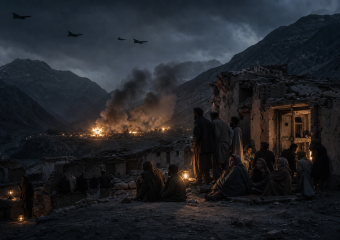
However, recent events in Gaza have prompted a reassessment of this partnership. The ongoing conflict has ignited international outrage, particularly regarding civilian casualties. Reports indicate that over 200 civilians, including women and children, have lost their lives amidst airstrikes and military operations. Many commentators are now questioning whether Germany’s military support has inadvertently facilitated actions that are inconsistent with its stated commitment to human rights and peace.

Germany’s Shift: Motivations and Repercussions
Germany’s decision to block arms exports is rooted in a complex interplay of ethical considerations and political pressures. Following a particularly devastating escalation of violence in Gaza, the German government faced mounting domestic and international calls for a more cautious approach to arms exports. Activism from civil society groups and public sentiment demanding accountability for civilian casualties played a crucial role in this policy shift.
Key Motivations Behind the Policy Change:
– Human Rights Concerns: Germany’s leaders have increasingly emphasized their commitment to human rights. By halting arms exports, the government seeks to signal disapproval of military operations that may contribute to civilian suffering.
– Political Pressure: Domestic opinion in Germany has shifted, with a significant portion of the population advocating for a more ethical foreign policy. Public demonstrations and opinion polls indicate strong support for restricting arms sales to countries involved in violent conflicts.
– European and International Context: Germany is cognizant of its role in the broader European Union and global governance structures. By taking a stand on this issue, it hopes to promote a unified European response to the situation in Gaza and highlight adherence to international law.
The Impact on Israel and the Conflict
Germany’s halt on arms exports has significant implications for Israel’s military capabilities and its operations in Gaza. While some argue that such measures may hinder Israel’s ability to defend itself, others contend that they could prompt a reevaluation of military strategies that have led to civilian casualties.
Key Considerations on the Ground:
– Military Adaptations: Israeli military analysts suggest that while immediate impacts might be felt, Israel has a diverse arsenal and partnerships with other nations that could mitigate the effects of the export ban. Countries like the United States also play a critical role in providing military aid and supplies to Israel.
– Potential for Dialogue: The arms export shift could create a diplomatic opening for renewed discussions regarding peace in the region. With Germany taking a more critical stance, it may encourage other nations to engage in meaningful interventions aimed at alleviating the humanitarian crisis in Gaza and seeking a pathway to sustainable peace.
– International Tensions: Conversely, this decision may exacerbate tensions within the region, with factions in Israel asserting that external pressures could undermine their national security. Some Israeli officials have expressed concern that decreased military support from allies could embolden adversaries and escalate conflict dynamics.
Navigating Uncertain Waters
While Germany’s shift in arms export policy represents a significant moral and political stance, it is met with varied reactions within the international community. Supporters view it as a necessary step towards a more responsible foreign policy grounded in human rights, while critics caution against undermining military support for an ally under threat.
This development illustrates the complexities inherent in international relations, particularly in volatile regions like the Middle East. As both Israel and Gaza grapple with the ramifications of this policy change, the potential for diplomacy remains fraught with challenges.
In conclusion, Germany’s arms export shift serves as both a reflection of changing ethical paradigms in international relations and a potential catalyst for rethinking military engagements in conflict zones. The path forward is uncertain, as global leaders must weigh the competing demands for security and human rights amidst a backdrop of enduring conflict. The situation in Gaza is far from resolved, and the implications of this pivot will likely unfold in real-time, impacting lives and policies on multiple fronts.