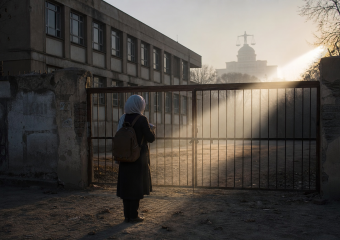
Trump’s Plan to Evict Homeless from Washington D.C.
Trump’s Plan to Evict Homeless from Washington D.C.: Perspectives and Implications
Former President Donald Trump’s plan to address homelessness in Washington D.C. has ignited a fervent debate across various circles. While his proposed strategies aim to clean up the nation’s capital, they raise significant ethical and logistical questions about the treatment of vulnerable populations.

The Proposal: A Closer Look
Trump’s proposal outlines a method for evicting homeless individuals from certain areas of D.C., suggesting that a major focus should be on public safety and urban cleanliness. His supporters argue that this initiative is necessary to restore order in the city and improve the quality of life for residents and tourists. According to a report from RT, Trump believes that his plan would contribute to a safer atmosphere, pointing to the visible presence of homelessness as a detractor from D.C.’s urban vibrancy.

In contrast, critics of the plan view it as a simplistic and inhumane approach to a multifaceted issue. Al Jazeera points out that homelessness in urban areas often stems from a combination of economic, social, and psychological factors. Many advocates argue that evicting homeless individuals without providing adequate support services is a temporary solution that does not address the root causes of homelessness.

Varying Perspectives on the Issue
Support for Trump’s Plan
Proponents of Trump’s plan often cite the perceived increase in crime and disorder associated with visible homelessness. They argue that by relocating the homeless, the city can restore a sense of safety and cleanliness. A significant sentiment among supporters reflects a belief that housing should be facilitated in more controlled environments where individuals can receive necessary services. This perspective suggests that a systemic approach to homelessness, which includes transitional housing and job training, could follow after the immediate issue of presence is addressed.
Opposition and Concerns
However, dissenting voices emphasize the ethical ramifications of such a measure. Organizations focused on homeless advocacy argue that evictions without transitional support can lead to increased vulnerability. The National Alliance to End Homelessness emphasizes that the crisis requires understanding and substantial investment in affordable housing solutions, mental health services, and job opportunities. Critics state that without these supportive structures, simply moving homeless individuals may lead them to even more precarious situations.
Moreover, many voices highlight the potential for a legal backlash against such evictions. Laws protecting the rights of homeless individuals vary significantly by locality, and critics worry that Trump’s plan could violate these rights, leading to court challenges and further complications in addressing homelessness.
Reactions from Local Communities and Leaders
Local leaders in D.C. have responded mixedly to Trump’s plan. While some echo his concerns over urban disorder, others warn of the plan’s potential ramifications. D.C. Mayor Muriel Bowser has previously advocated for compassionate solutions, stating that “we cannot simply move people from one place to another without considering their individual needs.” Local homeless outreach groups are also mobilizing to protest the proposed evictions, arguing that the approach lacks empathy and fails to promote long-term solutions.
Furthermore, community-level efforts to combat homelessness, such as supportive housing initiatives and collaborative projects with non-profits, are being overshadowed by the rhetoric surrounding Trump’s plan. This shift in focus could undermine the progress made by local organizations dedicated to providing sustainable solutions.
Conclusion: A Complex Path Forward
The discussion around Trump’s plan to evict homeless individuals from Washington D.C. is emblematic of a broader national struggle with homelessness. While some view the initiative as a necessary step towards cleaner urban spaces, others see it as an opportunity missed—a chance to provide humane and sustainable interventions.
As the debate unfolds, it is evident that homelessness is far more than a surface problem; it is intricately tied to economic, social, and psychological issues that must be addressed holistically. The challenge moving forward is finding equitable solutions that serve both the community and those experiencing homelessness, ensuring that the dignity and rights of all individuals are preserved. In the end, the way forward may not lie in eviction but in genuine dialogue and comprehensive support systems designed to uplift vulnerable populations.