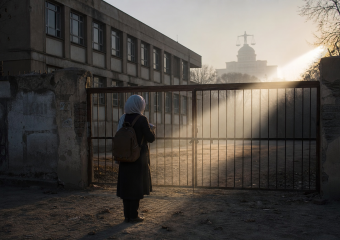
Trump-Putin Summit: The Deepening US-Russia Rift
Trump-Putin Summit: The Deepening US-Russia Rift
The recent Trump-Putin summit has reignited discussions surrounding the complexities of the US-Russia relationship, highlighting the growing rift that characterizes interactions between the two nations. As tensions escalate over various global issues, understanding the multiple dimensions of this relationship is crucial.

Historical Context and Current Tensions
The roots of the US-Russia rift can be traced back to the post-Cold War era, but the dynamics have continually evolved. Recent activities, such as military posturing and interference in domestic politics, have only deepened distrust. For instance, reports indicate that both nations have engaged in espionage and cyber operations, contributing to a feeling of paranoia on both sides.

According to a piece from RT, analysts suggest that while the summit aimed to address mutual concerns, it was overshadowed by longstanding grievances. They point out that the Kremlin continues to perceive US actions in Eastern Europe as aggressive, while the US sees Russian support for regimes contrary to Western interests as a destabilizing force. This reciprocal suspicion has resulted in a complex web of accusations and defensive maneuvers.

Economic Sanctions and Military Posturing
Economic sanctions have become a tool for both sides, complicating the diplomatic landscape significantly. The Al Jazeera report indicates that the US has imposed numerous sanctions against Russia for alleged election meddling and its actions in Ukraine. In response, Russia has ramped up its military presence in the region, claiming it is merely defending its borders.
This kind of military posturing can escalate quickly. For instance, reports from Sky News detail how NATO’s eastward expansion is viewed as a direct threat by Russia. Analysts argue that the potential for miscalculations is high, noting that both sides need to approach future discussions with caution and a willingness to engage constructively.
Divergent Perspectives on Diplomacy
The summit’s outcome has polarized opinion. Proponents of closer US-Russia ties argue that dialogue is necessary to address pressing global issues, such as climate change and terrorism. They contend that despite current hostilities, cooperation could lead to more significant solutions.
On the contrary, critics maintain that any engagement risks normalizing aggressive behaviors from Russia. They argue that the US must remain steadfast in its commitment to democratic principles and human rights. As one commentator from the RT article pointedly remarks, “Engagement must not come at the cost of accountability.”
Potential Pathways Forward
Moving forward, managing the deepening rift requires acknowledging the multifaceted nature of the US-Russia relationship. Here are several approaches that may facilitate progress:
– Incremental Engagement: Experts suggest starting with low-stakes discussions on topics like arms control and cybersecurity. Building trust through small victories can create a conducive atmosphere for broader negotiations.
– Bilateral Initiatives: Collaborative projects in fields such as energy and technology could benefit both nations. Engaging in shared challenges can help to reduce antagonism and foster mutual understanding.
– Public Diplomacy: Effective communication strategies are crucial for improving perceptions. Both governments should aim to demystify their intentions to their respective populations, combating the prevailing narratives of distrust.
Conclusion: A Complex Landscape
The Trump-Putin summit highlights the intricate and often contentious nature of the US-Russia relationship. While both nations find themselves at a crossroads, the potential for future diplomacy coexists with the backdrop of historical grievances and deep-seated mistrust. Moving forward, a careful, nuanced approach will be essential to navigate this fraught landscape and address the challenges that lie ahead.
Engaging constructively while remaining firmly committed to foundational principles may hold the key to bridging the divide. As the global community closely watches these developments, the next steps taken by both nations will be critical in determining the trajectory of this complex relationship.