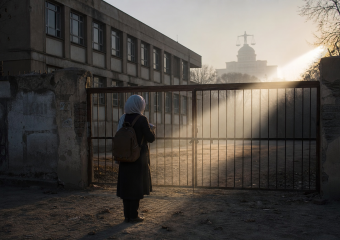
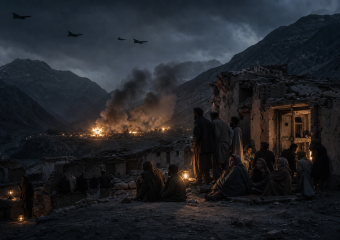
Gaza Protests and Vigils for Assassinated Journalists Worldwide
Gaza Protests and Vigils for Assassinated Journalists Worldwide
The recent protests and vigils in solidarity with journalists assassinated in Gaza have sparked global conversations about press freedom, safety, and the dire circumstances faced by media professionals in conflict zones. This outbreak of activism not only highlights a specific tragedy but also reverberates with wider implications regarding freedom of expression in the modern world.

The Context Behind the Protests
The ongoing Israeli-Palestinian conflict has escalated tensions in Gaza, leading to the tragic loss of life, including several journalists covering the unfolding crisis. These developments have spurred widespread outrage, manifesting in vigils and protests across various cities, from New York to London. Participants gather to mourn the loss of lives and demand accountability, highlighting the risks that journalists take to inform the public.

Al Jazeera reported on protests in over a dozen countries, emphasizing that many demonstrators have called for an end to impunity for those who attack journalists. These calls resonate with reports from the Committee to Protect Journalists, which documents increasing violence against media personnel in conflict areas worldwide. The protests not only pay tribute to fallen journalists but also serve as a reminder of the broader assault on press freedom.

A Global Response
The unified response to the assassinations reflects a growing global recognition of the need to safeguard journalists. Events have been organized in major capital cities and smaller towns alike, with advocacy groups and media organizations rallying to call attention to threats against journalists globally. In London, protesters held placards reading “Journalism is not a crime,” championing the idea that the freedom to report is an essential democratic value.
Contrasting opinions arise from different geopolitical perspectives. For instance, while many Western nations have echoed calls for accountability, some state-sponsored media outlets have downplayed or misrepresented the significance of these protests. RT, for example, has framed the situation within a broader discussion of Western media bias, arguing that the Western narrative is often selective, failing to cover the complexities involved in the region’s history and conflicts fully.
Press Freedom and Accountability
The outcry following the assassinations of journalists in Gaza underscores a vital need for international attention to press freedom. Journalists are fundamental to the functioning of a democratic society; however, they continue to face unprecedented risks, especially in war-torn regions. A joint statement from international press organizations emphasized that attacks on journalists are not merely crimes against individuals but are attacks against society as a whole.
Statistics regarding journalist safety in conflict zones are sobering. According to reports, over 1,000 journalists have been killed globally since 1992, highlighting the persistent dangers faced by media professionals. This tragic data fuels the urgent need for protective measures and accountability mechanisms to ensure that the light of truth continues to shine, even in the darkest of places.
The Role of International and Local Communities
The response from international and local communities plays a critical role in shaping reactions to these tragedies. Local organizers have taken the lead in many protests, ensuring that the emotions and demands reflect the communities most affected by the violence in Gaza. Meanwhile, international bodies, while voicing solidarity, must also consider how their actions can tangibly improve journalist safety and freedoms.
As observers highlight the importance of a free press in democratic societies, there remains a concern that meaningful changes may not easily follow these protests and vigils. Many voices in the international sphere have expressed skepticism about whether calls for accountability will translate into actions that change the status quo.
Conclusion: Ongoing Fight for Press Safety
The Gaza protests and vigils for assassinated journalists reflect a profound sense of grief and urgency, impelling individuals and organizations around the world to reconsider the fundamental issue of press freedom. While this global wave of activism is heartening, it also exposes the significant challenges that lie ahead. As momentum builds, the focus must shift to creating tangible protections and strategies for journalists, ensuring that those who pursue truth in perilous circumstances are no longer the targets of violence.
In this light, as individuals rally to honor the courage of fallen journalists, the ongoing conversation must continue. Acknowledging the complexities and contradictions inherent in media representation and conflict reporting will be vital in forging a more comprehensive understanding and commitment to press freedom worldwide.