Palestinians Abandon Tents Amid Israeli Advance on Gaza City
Palestinians Abandon Tents Amid Israeli Advance on Gaza City
The recent Israeli military advance into Gaza City has prompted a significant humanitarian crisis, as many Palestinians are forced to flee their homes and abandon makeshift shelters. The ramifications of this military action are profound, affecting not only those directly impacted but also shaping the broader geopolitical landscape.

The Humanitarian Situation
Reports indicate that a large influx of displaced Palestinians is overwhelming aid organizations and regional infrastructures. Sky News highlights that many physically and emotionally drained families have been seen vacating their temporary shelters as airstrikes and military incursions intensify. The United Nations has reported that over a million people may already be displaced within Gaza, a number that continues to rise as violence escalates.

Al Jazeera further emphasizes the emotional toll on families forced to abandon everything they possess. The destruction of homes, loss of livelihoods, and pervasive feelings of insecurity compound the challenges faced by those attempting to find refuge. As of now, estimates suggest that around 500,000 Palestinians are sheltering in crowded UN-run schools or other public facilities.

Diverse Perspectives on Responsibility
Opinions vary widely on who bears responsibility for this humanitarian crisis. Some sources, like RT, point to the ongoing conflict over land and resources as a root cause, suggesting that both sides are entrenched in a cycle of violence that serves to exacerbate the suffering of innocent civilians. The Israeli government argues that their military operations are aimed at neutralizing threats posed by militant groups operating in Gaza, yet critics decry the disproportionate impact on civilians.
Meanwhile, Al Jazeera presents quotes from international leaders and human rights organizations urging for an immediate ceasefire and calling for accountability on both sides. The contention lies in the ethics of military operations in densely populated civilian areas, raising questions about international humanitarian law and the need for protection of non-combatants.
Evidence of the Escalating Conflict
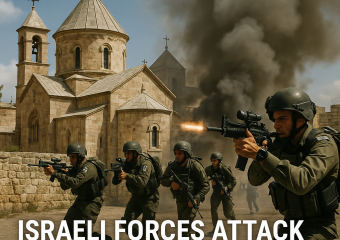
The evidence of escalating tensions is stark. Military engagements have intensified in the northern part of Gaza, with Israeli forces reportedly advancing further into densely populated urban areas. A senior military spokesperson stated that operations are aimed at dismantling militant infrastructure. However, local sources have reported that civilians often find themselves caught in the crossfire, leading to mounting casualties.
Various humanitarian organizations have expressed trepidation about the long-term implications of the conflict on Gaza’s civilian population, which is already suffering from dire socioeconomic conditions. With the blockade restricting access to essentials like medical supplies, food, and clean water, the current military actions may worsen an already fragile situation.
The Role of International Actors
In the face of this humanitarian disaster, global reactions are mixed. Some nations express solidarity with the Palestinian plight, while others remain steadfastly supportive of Israel’s right to defend itself. This divergence of perspectives complicates international diplomatic efforts aimed at de-escalation.
Efforts by the United Nations to broker ceasefire talks have met with limited success, given the heightened military actions and mutual distrust between the involved parties. The inability of international bodies to mediate effectively is a point of concern, as it indicates broader geopolitical complexities that may prolong the conflict.
Conclusion: The Path Forward
As civilians continue to bear the brunt of military operations, the urgent call for a cessation of violence becomes more pronounced. The abandonment of tents by Palestinians is not merely a physical act of displacement but a symbol of the enduring struggle many face as they navigate an increasingly complex and violent landscape.
The situation remains fluid, and uncertainties loom over the future as humanitarian needs escalate. As various stakeholders grapple with deeply entrenched narratives and historical grievances, the path forward remains fraught with challenges. However, a unified effort towards peace—one prioritizing humanitarian protection and accountability—may offer a glimmer of hope amid the uncertainty.
In a climate where overwhelming force seems to overshadow dialogues, the importance of fostering understanding and seeking balanced resolutions cannot be overstated.