Gaza Children’s Aid: Famine Signs Everywhere
Gaza Children’s Aid: Famine Signs Everywhere
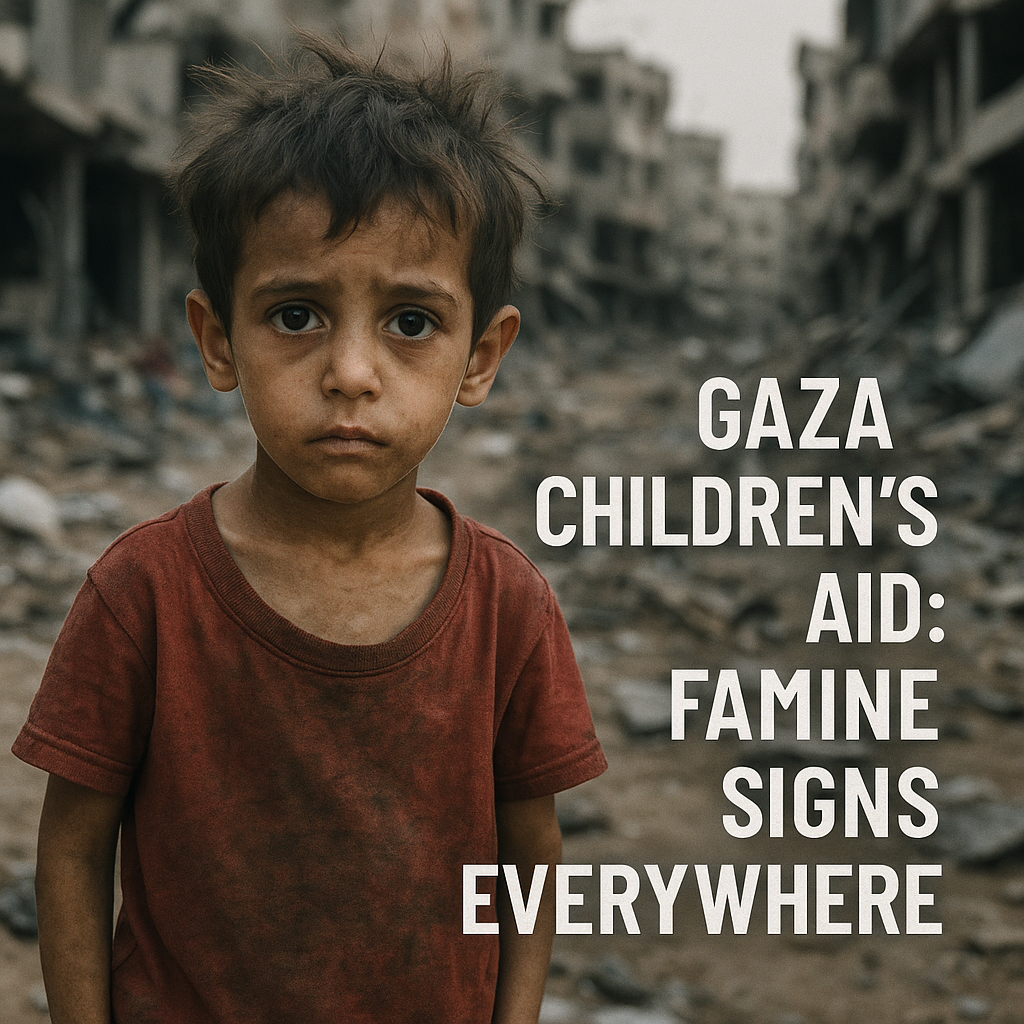
The situation for children in Gaza has reached a critical point, with alarming signs of famine becoming increasingly evident. Various reports have been surfacing that highlight the dire conditions faced by the youngest, most vulnerable members of this conflict-ridden region. The urgency of providing aid has never been more crucial as humanitarian organizations struggle to meet escalating needs amidst ongoing challenges.

The Current State of Children’s Aid in Gaza
Children in Gaza are at the epicenter of a complex crisis fueled by years of conflict, blockades, and economic instability. Multiple sides of the narrative reveal not only the statistics behind these challenges but also the human toll they take on everyday lives.

Escalating Humanitarian Crisis
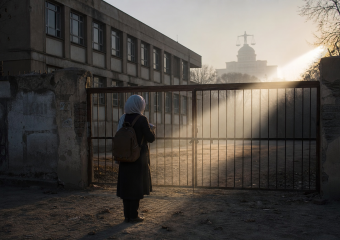
Recent reports indicate that over two million residents of Gaza are experiencing critical food insecurity. According to Al Jazeera, a children’s aid site in Gaza City has reported alarming signs of famine, with many families struggling to secure even one meal a day. Primary education facilities are struggling to stay open due to the lack of resources, deepening the crisis for future generations.

In contrast, outlets like RT emphasize that the situation is exacerbated by the overall lack of support due to restrictions placed on humanitarian aid. Some organizations have reported that supplies meant for vulnerable populations, including children, are being hampered by bureaucratic obstacles. This situation raises critical questions about the effectiveness and efficiency of assistance programs currently operating in the region.
Factors Contributing to the Crisis
The challenges facing humanitarian organizations in Gaza are multi-faceted, with several intersecting factors affecting the current state of children’s aid:
– Blockades and Restrictions: The ongoing military blockade severely limits the flow of essential goods, including food and medical supplies. Reports from Sky News highlight that without substantial international pressure to lift these restrictions, the humanitarian situation is poised to worsen, especially for children.
– Economic Collapse: The economic situation has been deteriorating steadily. High unemployment rates and poverty levels contribute significantly to food insecurity. As stated in various sources, a child’s ability to focus on education or proper development is severely compromised when basic needs are unmet.
– Health Concerns: Malnutrition rates in Gaza, particularly among children, are alarmingly high. The UN has voiced concerns that health services are on the brink of collapse. Many families report that their children are suffering from stunted growth and weakened immune systems due to malnutrition.
The Humanitarian Response
Despite these challenges, various humanitarian organizations are attempting to respond to the needs of children in Gaza:
– NGO Efforts: Organizations like UNICEF and Save the Children are on the ground, providing food, clean water, and medical assistance. Reports indicate they are facing severe logistical challenges, yet their commitment remains unwavering.
– Community Initiatives: Small community organizations have also emerged, aimed at supplementing food supplies and educational services. These local initiatives often thrive despite scant resources, showcasing the resilience of Gazan communities.
However, observers note that the scope of the response currently requires a significant scaling up. While efforts are underway, they may not be sufficient to combat the widespread signs of famine reported across various institutions.
The Way Forward
1. Increased International Support: A more robust international response is crucial, focusing on not just immediate aid but long-term solutions addressing the blockade and overall economic conditions.
2. Policy Revisions: Policymakers need to reevaluate existing restrictions on aid delivery, allowing humanitarian workers easier access to those most in need.
3. Community Empowerment: Strengthening local initiatives can empower communities to address their challenges more effectively, fostering resilience amid adversity.
A Complex and Ongoing Challenge
The combination of immediate needs and systemic issues makes the situation for children in Gaza particularly complex. While organizations both local and international are working tirelessly to provide relief, the lack of comprehensive solutions means that the signs of famine are likely to persist.
Ultimately, the road to recovery will require a concerted effort involving humanitarian aid, international pressure to lift restrictions, and a commitment to addressing the socio-economic roots of the crisis. Until then, the plight of Gaza’s children remains an urgent humanitarian crisis requiring global attention and action.