Houthi Leader Condemns Israel’s Terror Record After Killings
Houthi Leader Condemns Israel’s Terror Record After Killings
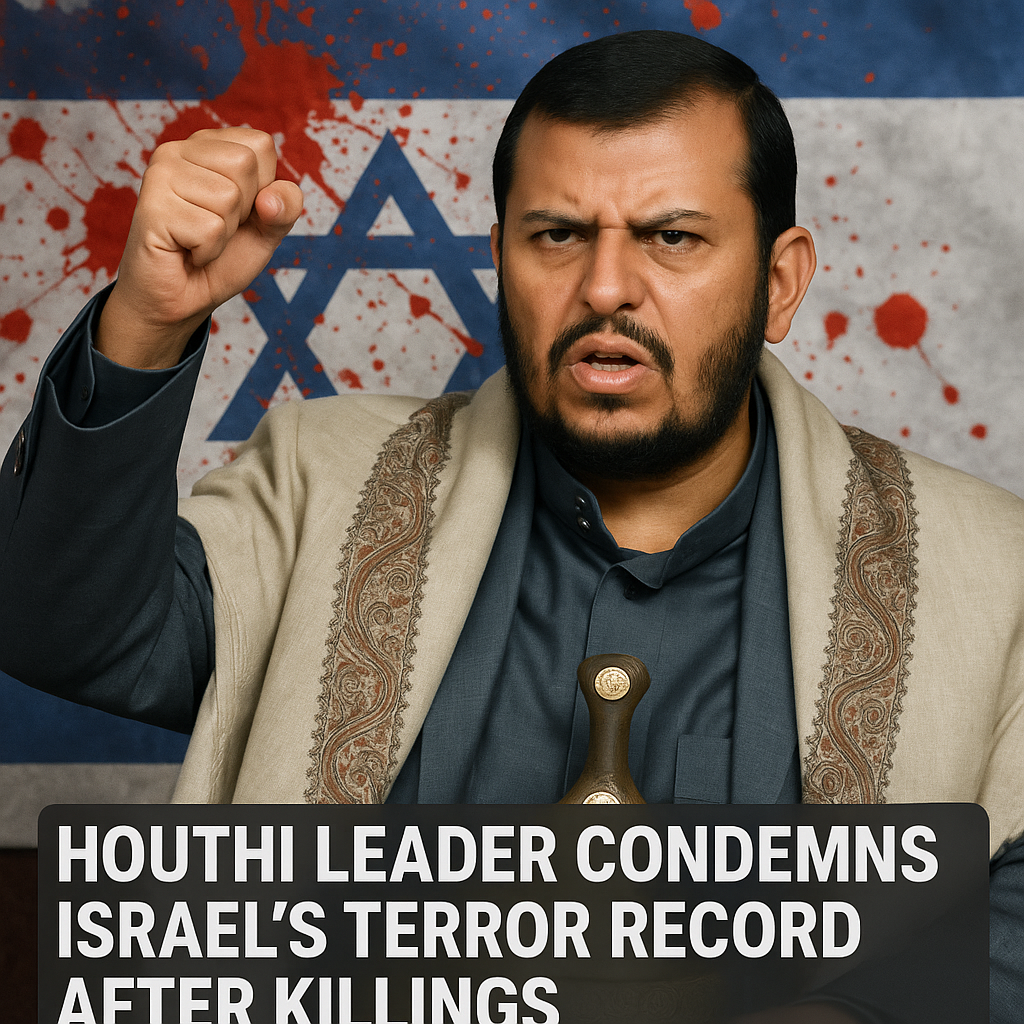
The recent condemnation of Israel’s actions by the Houthi leader highlights the intricate web of geopolitical tensions in the Middle East. Following a series of violent outbreaks that resulted in significant casualties, Houthi leader Abdul-Malik al-Houthi articulated strong opposition to what he termed Israel’s “terror record.” This statement reflects not only the Houthi perspective but also resonates with a broader sentiment among various groups and nations in the region, underscoring the multifaceted nature of political conflict.

The Context of the Condemnation
The backdrop to al-Houthi’s remarks includes ongoing Israeli military operations that have drawn criticisms from multiple corners of the international community. Over recent months, these operations have resulted in numerous Palestinian deaths, sparking outrage among regional powers, including Iran, which has historical ties to the Houthis. According to Al Jazeera, al-Houthi’s declaration was framed within a broader narrative that accuses Israel of engaging in systemic violence against Palestinians.

The recent violence has not only spurred statements of condemnation but has also led to heightened military rhetoric. In addressing the issue, al-Houthi emphasized unity among Palestinian factions and called for collective resistance against what he characterized as a colonial oppressive force. This sentiment echoes a wider regional alignment against Israel, as other groups and governments have similarly condemned its military actions.

Diverse Viewpoints on Israel’s Role
The complexity of the situation brings forth contrasting perspectives. While some view Israel’s military actions as necessary for national defense against militant threats, others, like al-Houthi, frame these actions as aggressive and unjustified. This dichotomy illustrates the polarized opinions surrounding Israel’s role in the conflict.
On one hand, Israeli representatives often portray their military offensives as vital measures to ensure stability and security amid constant threats from groups they designate as terrorists. They argue that their operations target militants responsible for attacks on Israeli citizens, thereby attempting to legitimize their actions under the guise of self-defense.
On the other hand, the narrative presented by figures like al-Houthi underscores the impact of these military actions on civilian populations, alleging that such strategies disregard humanitarian concerns. The Houthis, aligning themselves with the Palestinian cause, accuse Israel of conducting acts of aggression that prolong the suffering of innocent civilians.
Broader Implications for Middle Eastern Politics
The ramifications of al-Houthi’s statement extend beyond immediate regional politics. The ongoing tensions feed into a larger narrative of sectarian and national alignment in the Middle East. Various groups and governments are drawing parallels between their struggles and that of the Palestinians, which can influence future alliances and conflicts. The Houthis, predominantly supported by Iran, are part of a spectrum of forces that view Israel as a common adversary, thereby shaping the geopolitical landscape of the region.
Furthermore, the outcry against Israeli actions has prompted global reactions, with many urging for increased support of Palestinian statehood and rights. In response to organizers and movements echoing al-Houthi’s sentiments, a coalition of nations may push agendas aimed at mediating the conflict or even pressuring Israel to change its military tactics.
Conclusion: A Call for Dialogue Amidst Tensions
While al-Houthi’s condemnation of Israel’s record of violence captures a specific stance within a broader political narrative, it highlights the importance of dialogue in resolving long-standing conflicts. The complexities of these issues necessitate that various viewpoints are considered, fostering an environment where diplomatic efforts can take precedence over violent confrontations.
The combination of regional alliances, historical grievances, and contemporary political maneuvering suggests that resolving these conflicts requires nuanced understanding and cooperation from all sides. It’s essential to find pathways to peace that consider the perspectives of all affected parties, ensuring that the voices calling for justice and stability are heard and addressed accordingly.
As geopolitical dynamics shift, the necessity for constructive dialogue remains paramount. Acknowledging and addressing the diverse perspectives surrounding these complex issues not only illuminates the depth of their significance but may ultimately pave the way for more sustainable solutions in a region marked by conflict.