
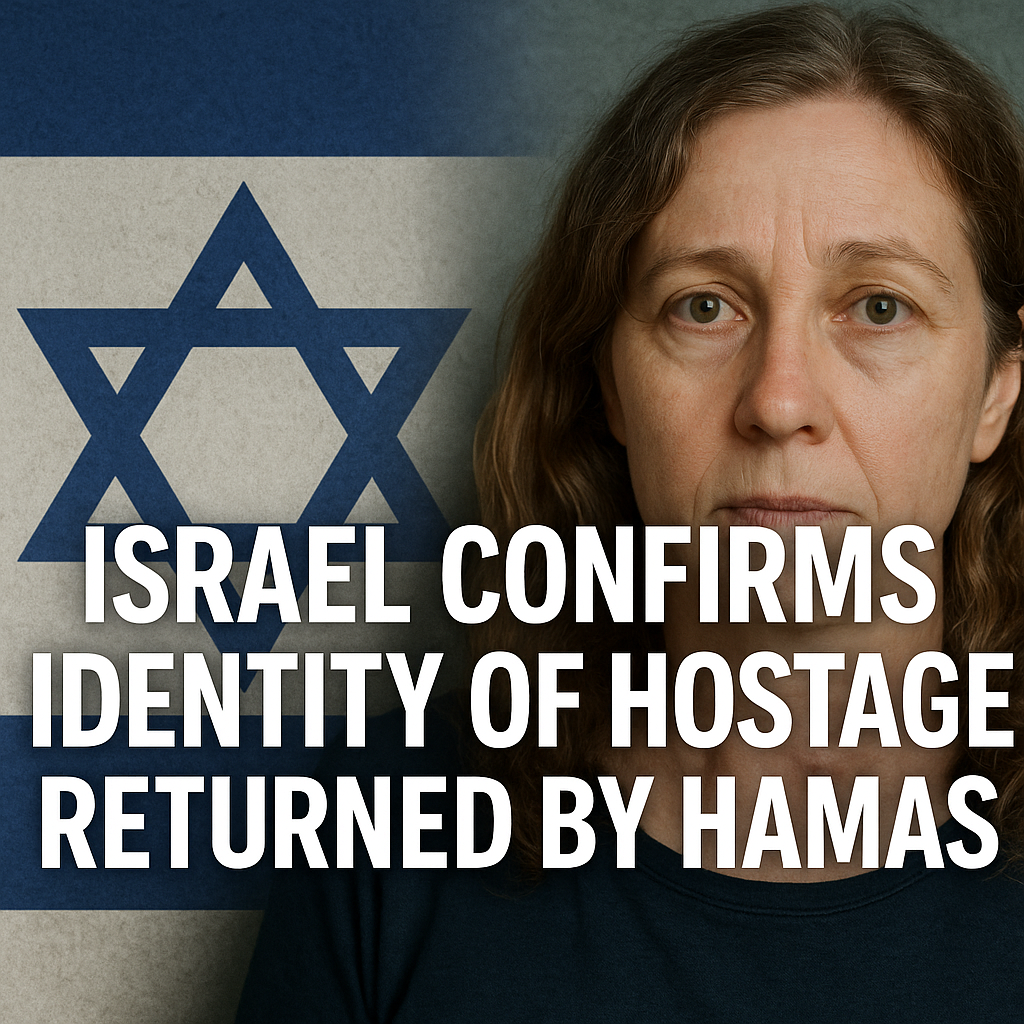
Israel Confirms Identity of Hostage Returned by Hamas

Israel Confirms Identity of Hostage Returned by Hamas
In a significant development within the ongoing conflict, Israel has confirmed the identity of a hostage returned by Hamas. This event not only underscores the continuous complexities surrounding the hostage situation but also illustrates the broader implications for Israeli-Palestinian relations.

The Release: Details and Reactions
According to Sky News, the recent handover of hostages by Hamas included not only the confirmed return of one individual but also their deceased companions. The drama unfolded in a region already fraught with tension, yet the release sparked a fleeting moment of hope among families awaiting news of their loved ones.


In a press statement, an Israeli official remarked on the emotional significance of the returned hostages. “Their return is a testament to our unwavering commitment to bring our people back home,” indicated the official. Despite the joy that came with the announcement, it is overshadowed by the contexts of ongoing violence and political machinations.


Diverse Perspectives
Reactions to the release varied significantly, highlighting the multifaceted nature of public sentiment. While many in Israel welcomed the news as a sign of progress, Ramallah officials were cautious, weighing the potential implications of Hamas’s actions. Reports from Al Jazeera emphasized that leaders from the Palestinian Authority viewed this situation through a critical lens, suggesting that such exchanges often occurred in the backdrop of broader negotiations and tensions.
Moreover, RT pointed out a contradiction in narratives, wherein some factions within Palestine criticized Hamas for negotiating while still holding onto other prisoners. This discord illustrates the deep divisions within Palestinian governance and highlights that the conditions surrounding such releases are seldom straightforward.
The Underlying Issues
The confirmation of the hostage’s identity carries with it a plethora of questions regarding future diplomacy and potential agreements between the warring parties. Analysts argue that the exchange should be framed not just as an isolated event but as part of a more extensive dialogue on conditions for peace.
A critical aspect under discussion is the psychological toll on both sides. For families affected by the conflict, whether they are waiting for the return of their loved ones or mourning those lost, the emotional stakes are extraordinarily high. This personalized anguish becomes abstract for the broader public, who often gauge political maneuvering through lenses tainted by personal biases and historical grievances.
Potential Paths Forward
Amidst the backdrop of emotional responses, some commentators suggest pathways for future interactions. They propose comprehensive dialogues that could include not just the return of more hostages but also discussions about ceasefires and humanitarian aid. This multi-dimensional approach to diplomacy might serve as a foundation for bridging divides and facilitating longer-term peace.
However, skepticism remains prominent. Many believe that previous agreements have often fallen flat due to lack of genuine commitment from either side, leading to narratives of distrust. The real challenge lies in transcending this cycle of skepticism and re-engaging in good faith.
Conclusion: Navigating Complexities
The identity confirmation of the returned hostage is emblematic of the tangled web of power, conflict, and human emotion inherent in the Israeli-Palestinian dynamic. As the situation evolves, the need for nuanced understanding becomes increasingly urgent. Both sides harbor deep-seated fears, aspirations, and histories that complicate the conversation.
The variety of reactions to the hostage’s return reflects a broader spectrum of perspectives that cannot be overlooked. Future developments will hinge not just on actions taken by governments but also on the shared human experiences that transcend borders and political ideologies.
By illuminating these complexities, the hope is to pave the way for a more informed discussion that can contribute to potential resolutions in a conflict characterized by its layered intricacies.















